
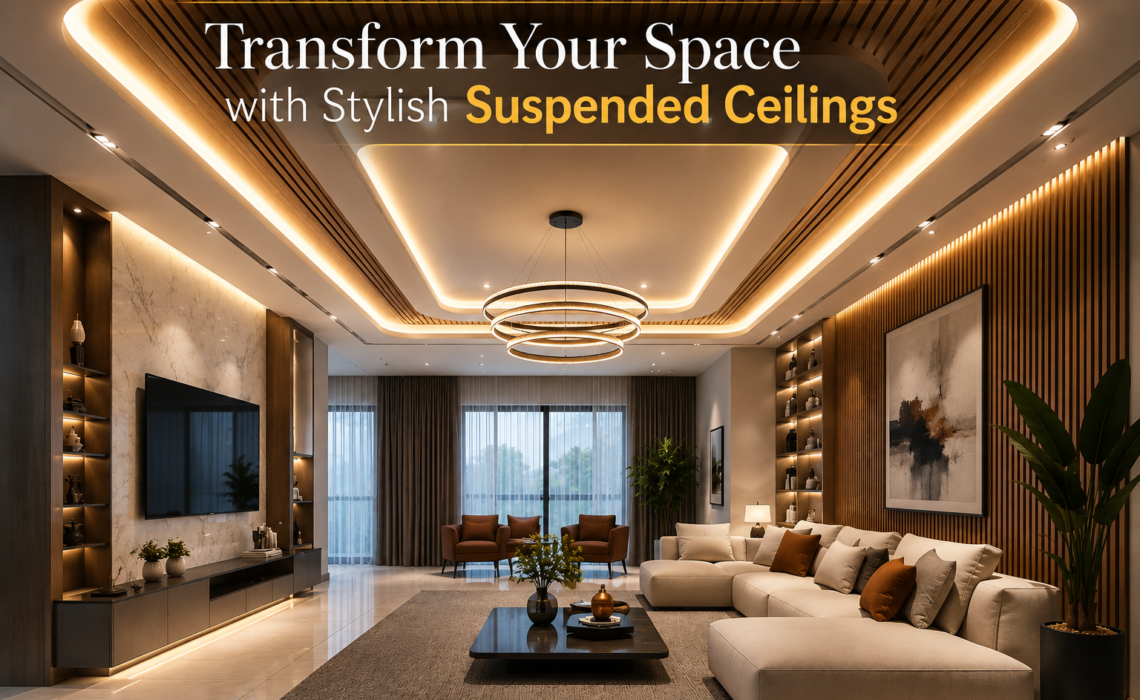
Ever walked into a room and felt something was just *off* about the ceiling? Perhaps it looked dated, showed unsightly cables, or simply lacked that polished finish you were hoping for? What if there was a simple way to completely transform your space while improving acoustics, insulation, and accessibility to services all at once?
Suspended ceilings are experiencing a remarkable resurgence in popularity, and it’s not hard to see why. Once considered purely functional fixtures relegated to office blocks and retail spaces, these versatile ceiling systems have evolved dramatically. Today’s options offer stunning design possibilities that work beautifully in homes, commercial fit-outs, and everything in between.
In this guide, we’ll explore everything you need to know about suspended ceilings. From understanding how they work and the materials available, through to installation costs, DIY tips, and creative design ideas for every room. Whether you’re renovating a basement, updating your office, or simply looking for a practical solution to hide unsightly services, you’ll find the answers you need right here. Let’s get stuck into it.
What Is a Suspended Ceiling and How Does It Work?
Understanding the Basic Components
A suspended ceiling, also known as a drop ceiling or false ceiling, hangs below your main structural ceiling. The system creates a gap between the two surfaces, which proves incredibly useful for hiding services like electrical wiring, plumbing, and HVAC systems.
The basic setup consists of a metal grid framework suspended from the original ceiling using wires or hangers. This grid holds lightweight ceiling tiles or panels in place. The beauty of this system lies in its simplicity—tiles can be easily lifted out whenever you need to access the services above.
How Suspended Ceiling Systems Are Installed
Installation begins by determining the desired ceiling height and marking level lines around the room’s perimeter. Wall angles are then fixed to these lines, providing support around the edges. Main runners and cross tees create the grid pattern, suspended from the structural ceiling above.
Once the grid is secure and level, tiles simply drop into place. The entire process is surprisingly straightforward, which makes suspended ceilings popular for both professional installers and confident DIYers alike.
Types of Suspended Ceiling Tiles and Materials
Acoustic Ceiling Tiles for Noise Reduction
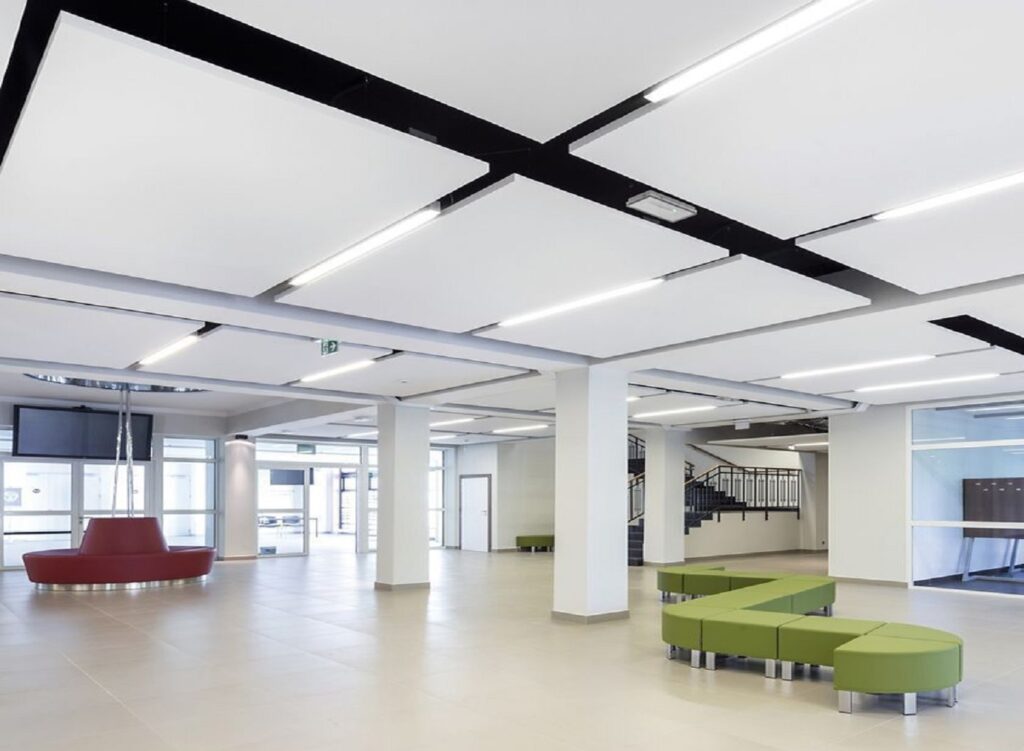
If sound management is your priority, acoustic tiles are worth considering. These tiles absorb sound waves rather than reflecting them, making them ideal for offices, music rooms, and busy household areas. They’re particularly popular in open-plan spaces where noise can otherwise become overwhelming.
Metal and Aluminium Ceiling Panels
For a contemporary, industrial look, metal panels deliver striking results. Aluminium options are lightweight, durable, and resistant to moisture—making them perfect for kitchens, bathrooms, and commercial kitchens. They’re also incredibly easy to clean and maintain over time.
Mineral Fibre and Gypsum Options
Mineral fibre tiles remain the most common choice, offering excellent acoustic properties and fire resistance at affordable prices. Gypsum tiles, meanwhile, provide a smooth, paintable surface that can mimic traditional plastered ceilings while still offering the practical benefits of a suspended system.
Eco-Friendly and Recyclable Materials
Environmental considerations matter more than ever. Many manufacturers now offer tiles made from recycled materials or sustainable sources. These eco-friendly options perform just as well as traditional materials while reducing your environmental footprint.
What Are the Benefits of Installing a Suspended Ceiling?
Improved Acoustics and Soundproofing
One of the biggest advantages is noise control. Acoustic tiles absorb sound, reducing echo and making conversations clearer. This proves invaluable in offices, restaurants, and even home cinemas where sound quality matters.
Enhanced Thermal Insulation
The air gap created between your structural ceiling and the suspended system acts as an insulating layer. This can help regulate room temperature, potentially reducing heating and cooling costs throughout the year.
Easy Access to Services and Utilities
Need to fix a leaky pipe or rewire a light fitting? Simply lift out the relevant tiles. This accessibility makes maintenance and upgrades considerably easier compared to fixed plasterboard ceilings.
Aesthetic Versatility and Modern Design Options
Today’s suspended ceilings offer remarkable design flexibility. From sleek minimalist panels to textured finishes and integrated lighting solutions, you can create virtually any look you desire.
Suspended Ceiling Design Ideas for Every Room
Office and Commercial Fit-Outs
Modern offices benefit from acoustic tiles that reduce noise while integrated LED panels provide energy-efficient lighting. Consider mixing tile types or incorporating colour accents for visual interest.
Residential Living Spaces and Basements
In basements, suspended ceilings hide pipes and ductwork while making the space feel finished and inviting. For living areas, explore textured or patterned tiles that add character without overwhelming the room.
Creative Lighting Integration
Suspended ceilings work beautifully with recessed lighting. Plan your lighting layout during installation for seamless results. LED panels, spotlights, and even decorative pendants can all integrate perfectly with the right planning.
Elevate Your Interior with Suspended Ceilings
Suspended ceilings have come a long way from their utilitarian origins. Today, they offer a practical, stylish solution for transforming any space—whether you’re fitting out a commercial office, renovating a basement, or simply wanting to hide unsightly services in your home.
The benefits are clear: improved acoustics, better insulation, easy access to services, and remarkable design flexibility. With options ranging from budget-friendly mineral fibre to premium metal panels and eco-friendly materials, there’s a suspended ceiling solution for every project and budget.
So, if you’re looking to refresh your space, why not consider looking up? A suspended ceiling might just be the transformation you’ve been searching for. Get in touch with a reputable supplier, explore your options, and take the first step towards a more polished, practical interior.