

Back pain can affect nearly every part of daily life. Simple tasks such as sitting, standing, walking, or sleeping may become difficult when discomfort continues for weeks or months. While many people struggle with ongoing symptoms, others experience remarkable improvement through the right approach.
Understanding the journey toward back pain treatment success helps individuals make informed decisions about recovery. It is not about finding a quick fix. Instead, it involves identifying the cause, following appropriate treatment methods, and making healthy lifestyle adjustments.
Understanding Back Pain Treatment Success
Back pain treatment success means achieving meaningful improvements in pain levels, movement, and overall quality of life. Success looks different for each person.
For some, it may mean returning to work without discomfort. For others, it may involve participating in physical activities again or sleeping through the night without pain.
Many factors influence recovery outcomes, including:
- The underlying cause of pain
- Duration of symptoms
- Physical condition
- Treatment consistency
- Lifestyle habits
A personalized approach often leads to better results than relying on a single solution.
Common Causes Behind Persistent Back Pain
Chronic back pain rarely develops without reason. Identifying contributing factors is an important step toward improvement.
Some common causes include:
- Poor posture during work or daily activities
- Muscle weakness and imbalance
- Repetitive movements
- Sedentary lifestyle
- Previous injuries
- Age-related changes in the spine
When these issues remain unaddressed, discomfort may continue or worsen over time.
Why Early Intervention Improves Back Pain Treatment Success
Many people wait too long before seeking help. Unfortunately, delaying treatment can allow symptoms to become more complicated.
Early intervention often provides several advantages:
- Faster recovery timelines
- Reduced inflammation
- Improved mobility
- Lower risk of chronic pain development
Addressing discomfort during the early stages can prevent compensation patterns that place additional stress on other parts of the body.
Signs You Should Not Ignore
Persistent symptoms may indicate the need for professional assessment.
Consider seeking guidance if you experience:
- Pain lasting longer than several weeks
- Difficulty standing or walking
- Reduced flexibility
- Frequent pain flare-ups
- Pain interfering with daily activities
Recognizing these warning signs early may contribute to better long-term outcomes.
Key Factors That Influence Back Pain Treatment Success
Several elements work together to determine recovery results. Understanding these factors helps set realistic expectations.
Consistency Matters
One of the strongest predictors of improvement is consistency.
Many individuals begin treatment enthusiastically but stop once symptoms decrease slightly. Recovery often requires continued effort even after noticeable progress appears.
Small, consistent actions typically produce better outcomes than occasional intensive efforts.
Physical Activity Plays a Major Role
Movement supports circulation, flexibility, and muscle strength.
Avoiding activity completely may increase stiffness and prolong discomfort. Safe and appropriate movement often becomes an essential part of recovery.
Examples include:
- Walking
- Gentle stretching
- Core strengthening exercises
The goal is to encourage healthy movement without placing excessive strain on affected areas.
Lifestyle Habits Affect Recovery
Daily habits can either support healing or contribute to recurring pain.
Important lifestyle considerations include:
- Maintaining a healthy weight
- Getting adequate sleep
- Managing stress
- Staying physically active
- Using proper lifting techniques
These habits create a foundation for long-term comfort and mobility.
How Personalized Care Supports Back Pain Treatment Success
Every individual experiences back pain differently. What works for one person may not be effective for another.
Successful treatment plans often begin with a detailed evaluation. This process helps identify contributing factors and allows care to focus on specific needs.
A personalized approach may include multiple strategies working together rather than relying on a single method.
Addressing the Root Cause
Temporary symptom relief can be helpful, but long-lasting improvement often requires addressing the underlying issue.
Potential contributing factors may include:
- Muscle imbalances
- Joint restrictions
- Poor movement patterns
- Workplace ergonomics
- Reduced flexibility
Treating these factors may reduce the likelihood of future episodes.
Back Pain Treatment Success Through Movement Education
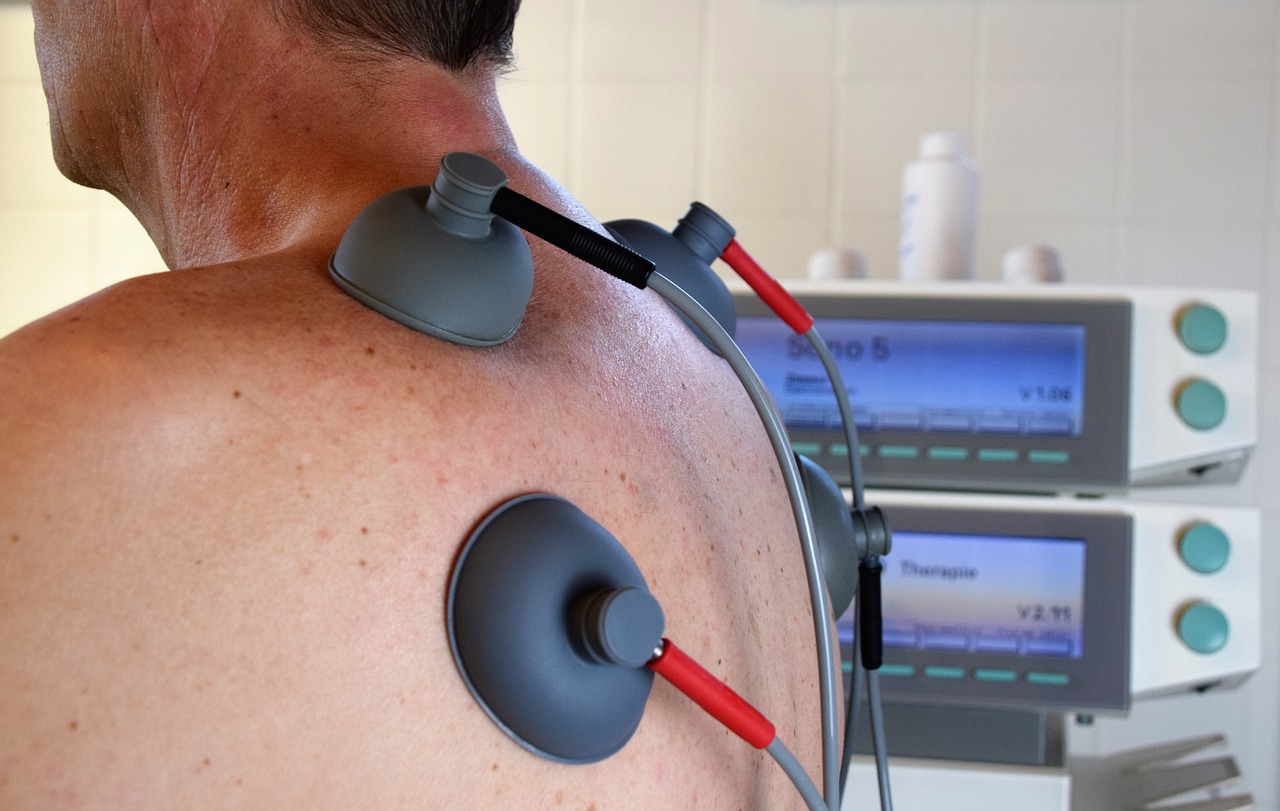
Many people unknowingly place unnecessary stress on their backs during routine activities.
Learning proper movement techniques can significantly improve recovery outcomes.
Everyday Activities That Matter
Simple adjustments often make a meaningful difference.
These include:
- Sitting with proper posture
- Standing evenly on both feet
- Using correct lifting mechanics
- Taking movement breaks during long work sessions
Small changes performed consistently can reduce strain and improve comfort over time.
Building Confidence in Movement
Fear of pain sometimes causes people to avoid activity altogether.
While caution is understandable, avoiding movement for extended periods may contribute to weakness and stiffness.
Gradually rebuilding confidence through controlled movement often supports recovery and promotes independence.
The Mental Side of Back Pain Treatment Success
Chronic pain affects more than the body. It can also influence emotions, motivation, and overall well-being.
Stress and anxiety may increase muscle tension and make symptoms feel more intense.
Developing healthy coping strategies can support both physical and mental recovery.
Some helpful approaches include:
- Mindfulness practices
- Relaxation techniques
- Deep breathing exercises
- Regular physical activity
A balanced mindset often contributes positively to treatment outcomes.
Setting Realistic Expectations
Recovery is rarely a straight line.
Many individuals experience periods of improvement followed by temporary setbacks. These fluctuations are often a normal part of the healing process.
Focusing on gradual progress rather than immediate perfection helps maintain motivation throughout recovery.
Long Term Strategies for Back Pain Treatment Success
Achieving relief is important, but maintaining results is equally valuable.
Long-term management focuses on preventing recurring episodes and supporting overall spinal health.
Healthy Habits for Lasting Results
Consider incorporating the following practices into daily life:
- Maintain regular physical activity
- Strengthen core muscles
- Stretch consistently
- Prioritize sleep quality
- Manage stress effectively
These habits help create a resilient body that is better prepared to handle daily demands.
Monitoring Early Warning Signs
Paying attention to minor discomfort can prevent larger problems from developing.
When symptoms begin to appear, taking action early may reduce recovery time and minimize disruption to daily activities.
Creating a Sustainable Routine
Sustainable routines are easier to maintain than extreme programs.
Choose activities that fit naturally into your schedule. Long-term success often comes from habits that become part of everyday life rather than temporary efforts.
Common Myths About Back Pain Treatment Success
Misconceptions can sometimes delay recovery.
Myth One: Complete Rest Is Always Best
While short periods of rest may be necessary, prolonged inactivity can increase stiffness and weakness.
Appropriate movement often plays a more beneficial role in recovery.
Myth Two: Pain Always Means Damage
Pain levels do not always reflect the severity of physical injury.
Many factors influence how pain is experienced, including stress, fatigue, and previous pain history.
Myth Three: Recovery Happens Overnight
Meaningful improvement usually requires time and consistency.
Sustainable progress often develops gradually through a combination of healthy habits and targeted treatment strategies.
Conclusion
Achieving back pain treatment success involves more than reducing symptoms. It requires understanding the root cause, staying consistent with treatment, adopting healthier habits, and maintaining realistic expectations.
Recovery is often a journey rather than a single event. With the right approach, many people move from chronic discomfort to greater mobility, confidence, and daily comfort. Focusing on long-term well-being can help create lasting improvements and support a more active, fulfilling life.