
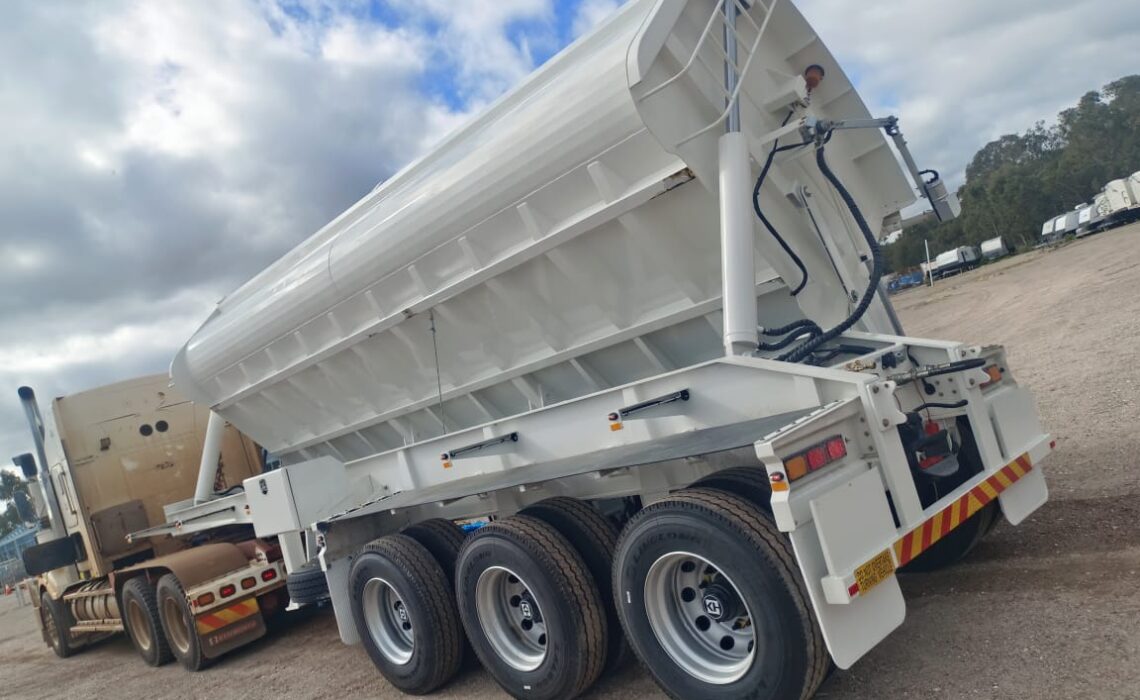
Ever found yourself standing on a construction site, watching material being dumped in completely the wrong spot? Or perhaps you’ve dealt with the frustration of a trailer that simply can’t handle the loads your business demands? Choosing the right side tipper trailer isn’t just about ticking boxes—it’s about making a smart investment that’ll serve your Melbourne operation for years to come.
So, what exactly sets side tipper trailers apart from their end-tipping cousins? The clue’s in the name, really. Side tippers discharge their loads laterally, which makes them brilliant for tight spaces and situations where you need precise placement. They’re particularly popular across Melbourne’s bustling construction and landscaping sectors, where manoeuvring room is often at a premium.
In this guide, we’ll walk you through the ten essential features you absolutely need to consider before purchasing a side tipper trailer. From payload capacity and hydraulic systems to safety compliance and after-sales support, you’ll discover exactly what separates a good trailer from a great one. Whether you’re expanding your fleet or buying your first unit, this information will help you make a confident, informed decision.
Payload Capacity and Weight Ratings
Let’s kick things off with the most fundamental question: how much can your trailer actually carry? Payload capacity varies significantly across different side tipper models, typically ranging from 20 to 45 tonnes depending on the configuration and axle setup.
Getting this right is absolutely crucial. Underestimate your needs, and you’ll be making multiple trips when one would do. Overestimate, and you’re paying for capacity you’ll never use. Take a hard look at your typical loads—whether that’s sand, gravel, soil, or demolition waste—and factor in some room for growth.
Don’t forget about Gross Vehicle Mass (GVM) regulations either. Australian road rules are strict, and running overweight can land you with hefty fines. Match your payload requirements to a trailer that comfortably handles your heaviest loads while staying compliant.
Tipping Mechanism and Hydraulic System
The heart of any side tipper is its hydraulic system. A quality setup means smooth, reliable tipping every single time. A poor one? Well, you’re looking at breakdowns, delays, and repair bills that’ll make your eyes water.
When it comes to single versus dual cylinder systems, there’s a genuine debate. Single cylinder setups are simpler and lighter, which some operators prefer. However, dual cylinder systems offer superior stability and lifting power—particularly important for the demanding conditions found across Australian worksites.
Look for hydraulic components from reputable manufacturers with proven track records. Pay attention to flow rates, pressure ratings, and the quality of seals and fittings. These details might seem minor, but they make a massive difference to long-term reliability.
Build Quality and Material Durability
Here’s where the steel versus aluminium discussion gets interesting. Steel side tippers are tough as nails and generally more affordable upfront. They handle abuse well and are easier to repair when damage occurs.
Aluminium trailers, on the other hand, offer significant weight savings—sometimes up to 30% lighter than steel equivalents. This means greater payload capacity within legal limits. They also resist corrosion better, which matters in Melbourne’s variable climate.
Are aluminium side tippers worth the extra investment? For high-volume operators, the payload advantages often justify the higher purchase price. For occasional users, steel might make more financial sense. Consider your usage patterns carefully before deciding.
Chassis Design and Structural Integrity
A trailer’s chassis is its backbone. Skimp here, and you’re building problems into your operation from day one. Quality chassis construction uses appropriate grade steel, proper welding techniques, and thoughtful engineering throughout.
Look for features like:
– Reinforced stress points around the tipping mechanism
– Adequate cross-members for load distribution
– Proper rust protection and coating
– Suspension mounting points designed for heavy-duty use
Melbourne’s climate throws everything at equipment—scorching summers, wet winters, and plenty of dust. A well-designed chassis handles these conditions without premature fatigue or corrosion issues.
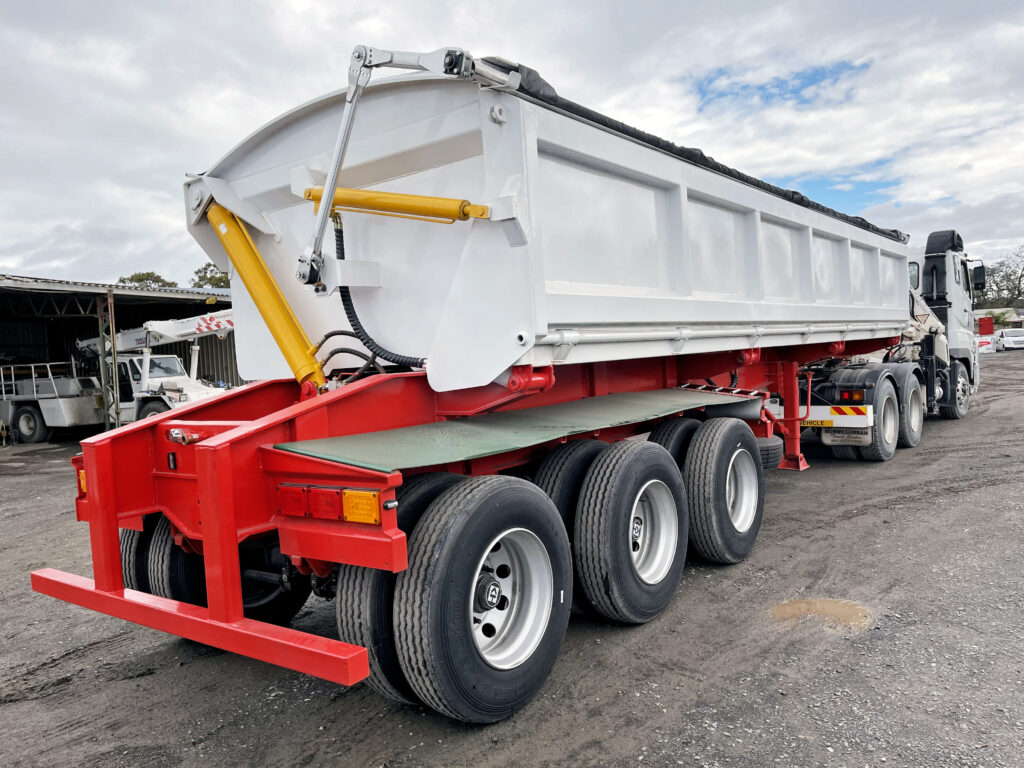
Tub and Body Configuration
The tub is where your material actually sits, so its design matters enormously. Standard tub configurations suit general-purpose work, but custom options might better serve specialised applications.
For aggregate and bulk materials, consider tub shapes that promote clean discharge. Rounded internal corners reduce material hang-up, while appropriate side heights prevent spillage during transport. Some operators prefer deeper tubs for lighter materials like mulch, while shallower designs suit heavier loads like crushed rock.
Think about wear liners too. Hardox or similar abrasion-resistant steel significantly extends tub life when handling abrasive materials. The upfront cost pays dividends through reduced maintenance and longer service life.
Safety Features and Compliance
Australian road regulations aren’t suggestions—they’re requirements. Your side tipper must meet all relevant Australian Design Rules (ADRs) and state-specific compliance standards. This includes proper lighting, reflectors, braking systems, and coupling equipment.
Essential safety features include:
– Stability systems to prevent rollover during tipping
– Prop stands for safe maintenance access
– Clear visibility of tipping operations
– Emergency hydraulic lowering capability
Are side tipper trailers safe on uneven terrain? When properly designed, yes. Look for models with wide stance configurations and low centre-of-gravity designs. These handle the rough conditions common on Melbourne construction sites far better than narrow, top-heavy alternatives.
Ease of Maintenance and Serviceability
Every trailer needs maintenance—that’s simply reality. What separates good designs from frustrating ones is how accessible that maintenance actually is. Can you easily grease pivot points? Are hydraulic components readily accessible? Can filters be changed without major disassembly?
Regular maintenance requirements typically include:
– Hydraulic fluid checks and changes
– Greasing of pivot points and hinges
– Brake system inspections
– Structural integrity checks
Finding parts and servicing in Melbourne shouldn’t be a headache. Before purchasing, confirm that spare parts are readily available locally. A trailer sitting idle waiting for components shipped from overseas is costing you money every single day.
Manoeuvrability and Site Access
Melbourne construction sites aren’t exactly known for generous manoeuvring space. Side tippers excel here compared to end tippers, as lateral discharge means you don’t need room behind the trailer for tipping operations.
Still, turning circles and overall length matter enormously. Shorter wheelbase configurations offer better manoeuvrability but may compromise payload capacity. Longer setups carry more but struggle in confined areas. Consider your typical delivery locations when making this trade-off.
Suspension design affects manoeuvrability too. Quality airbag or mechanical suspension allows height adjustment, helping navigate varying site conditions and loading dock requirements common across Melbourne’s diverse job sites.
Compatibility with Prime Movers
Your shiny new side tipper needs to actually connect to your existing trucks. Coupling systems vary, and mismatches create expensive problems. Confirm compatibility with your prime mover’s fifth wheel or coupling setup before purchasing.
Consider connection points for hydraulic power take-off (PTO) systems, electrical connections, and air brake lines. These should align with your current fleet specifications. If you’re running mixed equipment, look for trailers with adaptable connection options.
Weight distribution between trailer and prime mover affects both legal compliance and driving characteristics. Ensure the combination you’re creating meets chain of responsibility requirements and handles safely under all loading conditions.
Warranty, After-Sales Support and Local Availability
What warranty should you expect? Quality manufacturers typically offer structural warranties of two to five years, with separate coverage for components like hydraulics and axles. Read the fine print carefully—some warranties have conditions around maintenance and usage that void coverage if not followed.
After-sales support separates excellent suppliers from merely adequate ones. Can they provide technical assistance when problems arise? Do they stock common spare parts? Will they support you through the warranty process without endless runarounds?
Finding reputable side tipper trailer supplier in Melbourne means looking beyond price alone. Check reviews, ask for references from existing customers, and visit their facilities if possible. A supplier invested in quality will happily demonstrate their commitment.
Making the Right Investment for Your Melbourne Operation
Choosing the right side tipper trailer isn’t a decision to rush. Each feature we’ve explored—from payload capacity through to warranty support—plays a vital role in determining whether your investment delivers value or headaches.
Take your time evaluating options against your specific requirements. Visit suppliers, inspect trailers firsthand, and ask plenty of questions. The operators who make informed decisions upfront avoid costly mistakes down the track.
Your Melbourne operation deserves equipment that performs reliably, complies fully, and serves your business for years to come. Armed with this knowledge, you’re well-positioned to make that smart investment. Good luck finding your perfect side tipper trailer!