
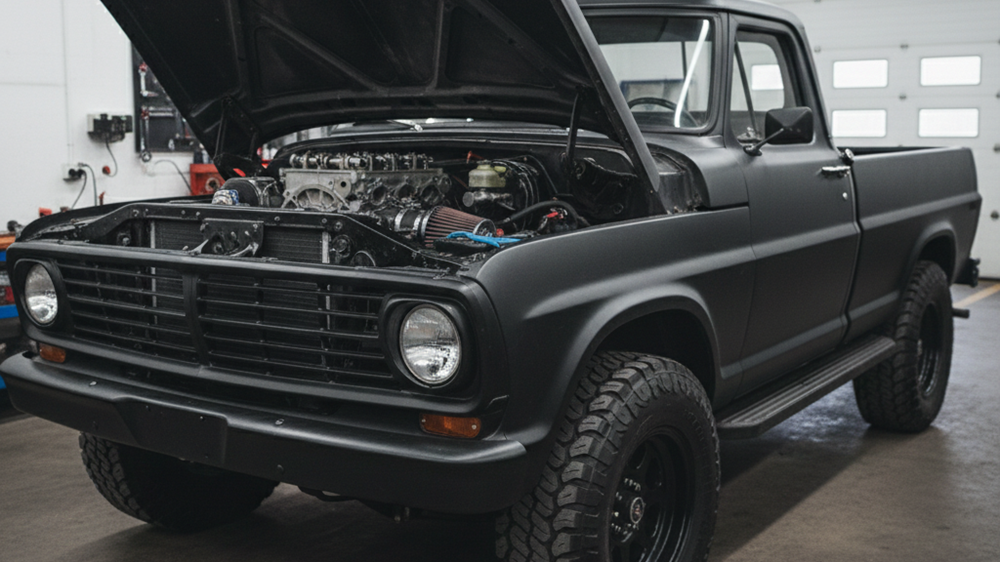
Have you ever wondered what it takes to push a Barra engine beyond 1,000 horsepower? Are you curious about why so many Australian drag racers are ditching their factory blocks for something beefier? And most importantly, are you questioning whether your current setup is holding back your build?
The Ford Barra engine has earned legendary status in the Australian performance scene. Originally designed for family sedans, this straight-six powerhouse has proven itself capable of handling serious boost and producing mind-blowing power figures. However, there comes a point where the factory block simply cannot keep up with your ambitions. That’s where a billet block enters the conversation.
In this guide, we’ll break down everything you need to know about Barra billet blocks. From understanding why the factory casting has its limits, to exploring what makes billet construction superior for high-power applications, we’ve got you covered. You’ll learn about key features to look for, realistic power expectations, and whether the investment makes sense for your build. Whether you’re planning a weekend warrior or a dedicated drag car, this information will help you make an informed decision.
Understanding the Limitations of Factory Barra Blocks
The factory Barra block was never designed for four-digit horsepower figures. Ford engineered it for reliability in daily-driven vehicles, not for the extreme boost pressures that performance enthusiasts now routinely achieve.
Common failure points in stock Barra engines include cracked cylinder walls, main cap walk, and oil starvation under high-rpm conditions. The factory casting simply lacks the structural integrity to contain the forces generated when you start pushing serious power. Many builders report issues appearing around the 600-700 horsepower mark, though this varies based on the engine’s condition and how it’s being used.
Signs your standard block is reaching its limits include mysterious oil consumption, coolant contamination, and unusual noises under load. If you’re experiencing any of these symptoms while running significant boost, it’s time to consider your options before catastrophic failure occurs.
What Makes a Billet Block Different from a Factory Block?
The manufacturing process is fundamentally different between cast and billet blocks. Factory Barra blocks are cast, meaning molten aluminium is poured into a mould. This process is cost-effective but can introduce porosity, inconsistent wall thickness, and internal stress points.
Billet blocks start as a solid chunk of high-grade aluminium alloy. CNC machines then carve away material to create the finished product. This approach eliminates porosity concerns entirely and allows for precise control over wall thickness, water jacket design, and structural reinforcement exactly where it’s needed.
The material composition also plays a significant role. Billet manufacturers typically use aerospace-grade aluminium alloys that offer superior tensile strength compared to casting alloys. This translates to a block that handles extreme cylinder pressures without flexing or cracking. When you’re running 50+ psi of boost, this structural rigidity becomes absolutely critical.
Key Features to Look for in a Barra Billet Block
Not all billet blocks are created equal. Wall thickness and cylinder spacing are primary considerations. Quality billet blocks feature thicker cylinder walls that can accommodate larger bores without compromising strength. Some designs also increase the spacing between cylinders, further improving structural integrity.
Oiling system improvements are another hallmark of well-designed billet blocks. Look for blocks with priority main oiling, improved oil drainage, and provisions for dry sump systems. High-rpm operation demands superior oil delivery, and a quality billet block addresses this from the ground up.
Main cap design matters enormously at elevated power levels. The best billet blocks feature:
- Steel main caps with cross-bolted designs
- Larger diameter main studs or bolts
- Billet steel main caps rather than cast items
- Precise machining for consistent bearing clearances
Compatibility with aftermarket components should also influence your decision. Confirm the block accepts your chosen cylinder head, timing cover, and accessories without requiring extensive modification.
How Much Horsepower Can a Barra Billet Block Handle?
Power thresholds vary depending on the specific billet block design and supporting components. Entry-level billet blocks typically support 1,200-1,500 horsepower reliably. Premium offerings from established manufacturers can handle 2,000+ horsepower when combined with appropriate rotating assembly components.
Real-world examples from Australian drag racing demonstrate these capabilities. Numerous Barra-powered cars running in the six-second zone rely on billet blocks to contain the forces involved. These engines regularly produce over 2,000 horsepower and endure the stress of repeated full-power passes.
Factors that influence maximum power capacity include:
- Cylinder wall thickness and material grade
- Main cap design and fastener quality
- Supporting components like crank, rods, and pistons
- Tuning quality and fuel system capability
- How the engine is used (drag racing versus time attack)
Your billet block is only one piece of the puzzle. The rotating assembly, cylinder head, and ancillary systems must all match the block’s capability for the build to reach its potential.
Popular Barra Billet Block Options in Australia
Several Australian manufacturers produce quality Barra billet blocks, which is good news for local builders. Buying locally means easier access to technical support, faster delivery, and compatibility assurance with common Australian aftermarket components.
When comparing options, pay attention to:
- Wall thickness specifications
- Main cap design and material
- Oiling system provisions
- Compatibility with common cylinder heads
- Warranty and technical support availability
Price points vary considerably based on features and manufacturer reputation. Entry-level options exist for builders on tighter budgets, while premium blocks command higher prices for their advanced specifications and proven track records.
Imported options are available but often lack local support networks. Consider the practicality of warranty claims and technical assistance when evaluating overseas alternatives.
Building Your High-Power Barra: Supporting Modifications
Your billet block requires equally capable supporting components. Essential rotating assembly upgrades include forged pistons, billet connecting rods, and a high-strength crankshaft. Factory internals simply won’t survive the power levels your new block can support.
Cylinder head considerations for billet blocks include port work, upgraded valve springs, and titanium retainers. The head must flow enough air to make the power your bottom end can handle. Many builders opt for fully built cylinder heads with CNC porting to maximise performance.
Turbo and fuel system requirements scale with power goals. Single large-frame turbos or compound setups, high-capacity fuel pumps, appropriately sized injectors, and quality fuel system plumbing all become non-negotiable at elevated power levels.
Common Mistakes to Avoid When Choosing a Billet Block
Overlooking compatibility issues causes headaches during assembly. Confirm your chosen block works with your existing timing cover, oil pump, cylinder head, and engine mounts before purchasing. Small dimensional differences can create significant problems.
Underestimating supporting modification needs is equally problematic. A billet block alone won’t make power—it just allows your engine to survive making power. Budget for the entire build, not just the block itself.
Choosing price over quality rarely ends well. The cheapest billet block might save money initially, but corner-cutting in design or manufacturing can lead to expensive failures. Stick with established manufacturers who have proven track records in Australian motorsport.
Conclusion: Is a Billet Block Right for Your Build?
Deciding whether a Ford barra billet block USA makes sense for your project comes down to your power goals and intended use. If you’re targeting numbers beyond what a factory casting can reliably contain, billet construction provides the foundation you need.
The investment is substantial, but so are the benefits. Structural integrity that handles extreme cylinder pressures, improved oiling provisions, and compatibility with serious performance components all contribute to a build that performs reliably at elevated power levels. For dedicated racing applications or street cars pushing big numbers, the peace of mind alone justifies the expense.
Take time to research your options, speak with builders who’ve completed similar projects, and choose components that work together as a system. Your Barra billet block build represents a significant commitment—approach it thoughtfully, and you’ll end up with an engine that delivers the performance you’re chasing while standing up to the abuse you’ll throw at it. Good luck with your build!