
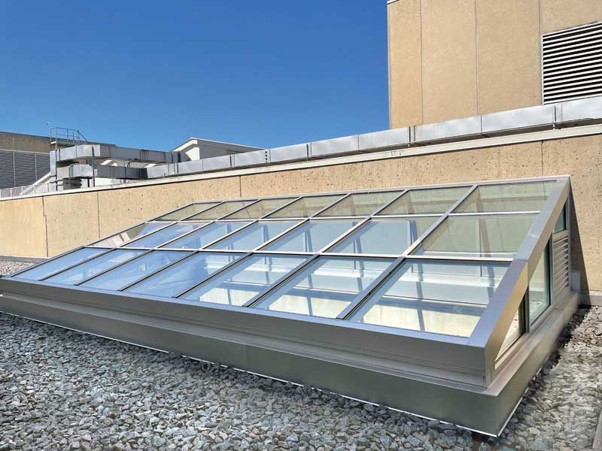
Have you ever looked up at your skylight and wondered if it’s performing as well as it should? Perhaps you’ve noticed a few water stains around the frame, or maybe the once-clear glass has taken on a yellowish tinge? Skylights are fantastic features that flood our homes with natural light, but they’re often overlooked when it comes to regular maintenance and timely replacement.
Here’s the thing – your skylight works hard year-round. It battles harsh Australian summers, endures heavy rain, and protects your home from the elements. Yet most homeowners rarely give it a second thought until something goes wrong. That’s a bit like ignoring your car’s engine until it breaks down on the highway.
In this guide, we’ll walk you through everything you need to know about keeping your skylight in top condition. You’ll discover the different types of skylights available, learn to spot warning signs that replacement is due, and pick up practical maintenance tips that’ll extend your skylight’s lifespan. Whether you’re dealing with an ageing skylight or simply want to stay ahead of potential problems, you’re in good hands.
Understanding Skylights: Types And Their Benefits
Before diving into maintenance and replacement, let’s explore the main skylight varieties you’ll encounter in Australian homes.
Fixed Skylights
Fixed skylights are the most straightforward option. They don’t open or close – they simply let light pour into your space. These are perfect for areas where ventilation isn’t a priority, like hallways or stairwells. They’re also typically more affordable and require less maintenance since there are no moving parts to worry about.
Ventilating Skylights
If you want both light and fresh air, ventilating skylights are your go-to choice. These can be opened manually or electronically, allowing hot air to escape and creating natural airflow throughout your home. They’re particularly brilliant for bathrooms and kitchens where moisture tends to build up.
Tubular Skylights
Tubular skylights are compact solutions ideal for smaller spaces. They capture sunlight through a dome on your roof and channel it down through a reflective tube. These work wonderfully in wardrobes, laundries, and other tight spots where traditional skylights wouldn’t fit.
Custom And Architectural Skylights
For those after something special, custom skylights offer limitless possibilities. From dramatic glass ceilings to uniquely shaped designs, these transform spaces into architectural statements. They do come with a higher price tag, though, and typically require specialist installation.
Signs Your Skylight Needs Replacement
Knowing when to replace your skylight can save you from costly damage down the track. Keep an eye out for these warning signs.
Visible Cracks Or Damage To The Glass
Any cracks, chips, or visible damage to your skylight glass demand immediate attention. Even small cracks can worsen quickly, especially with temperature fluctuations common in Australian climates.
Persistent Leaks And Water Stains
Water stains around your skylight are red flags. While some leaks can be repaired, persistent moisture problems often indicate that the entire unit needs replacing.
Condensation Between Panes
If you notice fog or moisture trapped between double-glazed panes, the seal has failed. This reduces your skylight’s insulating properties and won’t improve without replacement.
Discolouration And Yellowing
Older skylights, particularly those made from acrylic, tend to yellow over time. This not only looks unsightly but also reduces the quality of natural light entering your home.
Difficulty Opening Or Closing Ventilating Models
When ventilating skylights become stiff or stop working altogether, the mechanisms may be worn beyond repair. Struggling with a stuck skylight is frustrating and potentially dangerous.
How Long Do Skylights Last?
Most quality skylights last between 15 and 20 years with proper care. However, this varies depending on the materials used, installation quality, and how well they’ve been maintained. Cheaper units might only last 10 years, while premium skylights can exceed 25 years.
Your local climate plays a role too. Skylights in harsh coastal environments or areas with extreme temperature swings may deteriorate faster. Regular inspections help you stay ahead of problems and maximise your skylight’s lifespan.
The Skylight Replacement Process: What To Expect
Replacing a skylight might seem daunting, but understanding the process makes it far less stressful.
Initial Assessment And Measurement
A professional will first inspect your existing skylight and surrounding roof structure. Accurate measurements are crucial – even small errors can lead to fitting issues and potential leaks.
Choosing The Right Replacement Skylight
You’ll need to decide whether to replace like-for-like or upgrade to a different style. Consider factors like energy efficiency, glazing options, and whether you want manual or electric operation.
Professional Installation Vs DIY
While DIY installation might tempt budget-conscious homeowners, skylight replacement really calls for professional expertise. Incorrect installation can void warranties and cause serious water damage. Plus, working on roofs carries inherent risks.
Ca You Replace A Skylight Without Replacing The Roof?
Absolutely! In most cases, skylights can be replaced independently of your roofing. The existing opening is usually reused, with new flashing installed around the skyluight replacement unit. However, if your roof is nearing the end of its life, it might make sense to coordinate both projects. This avoids the hassle of disturbing the area twice.
Essential Skylight Maintenance Tips
Regular maintenance keeps your skylight performing beautifully and prevents expensive repairs.
Seasonal Cleaning Best Practices
Clean your skylight inside and out at least twice yearly. Use a soft cloth with mild soapy water – harsh chemicals can damage coatings and seals. Tackle the outside during cooler months when the glass isn’t scorching hot.
Inspeting Seals And Flashing
Check the rubber seals and metal flashing around your skylight quarterly. Look for cracks, gaps, or signs of deterioration. Catching these early prevents water intrusion.
Clearing Debris And Preventing Blockages
Leaves, twigs, and other debris accumulate around skylights, blocking drainage and trapping moisture. Clear this regularly, especially after storms.
Checking For Early Signs Of Wear
Give your skylight a thorough visual inspection from inside and outside. Look for condensation, discolouration, or any changes in appearance. Document what you find so you can track changes over time.
How Often Should Skylights Be Serviced?
Professional servicing every two to three years is recommended for most skylights. This includes thorough cleaning, seal inspection, and mechanism checks for ventilating models. Between professional services, your own quarterly inspections keep problems from sneaking up on you.
Common Skylight Problems And How To Fix Them
Even well-maintained skylights encounter issues occasionally. Here’s how to address the most common ones.
Leaking Skylights
Leaks are the number one skylight complaint. First, identify whether water is entering around the frame or through the glass itself. Frame leaks often stem from deteriorated flashing or seals, which a roofing professional can repair. Glass leaks indicate seal failure, usually requiring replacement.
Cracked Or Broken Glass
Small cracks in glass skylights sometimes allow temporary repairs, but skylight replacement is generally the safest solution. Acrylic skylights can often be resurfaced, though severely damaged units need replacing entirely.
Failed Seals And Drafts
Drafty skylights waste energy and make your home uncomfortable. Failed seals around the frame can sometimes be replaced without swapping the entire unit. However, if condensation has formed between panes, the whole skylight needs replacing.
Are Skylights Worth The Investment?
Without question, skylights offer tremendous value. They reduce reliance on artificial lighting, lowering electricity bills substantially. Natural light improves mood and productivity – particularly valuable if you work from home. Quality skylights also boost property values, making them a smart long-term investment.
The key lies in choosing quality products and maintaining them properly. A cheap skylight that leaks after five years isn’t good value, regardless of its initial price.
Choosing A Skylight Professional: What To Look For
Selecting the right installer makes all the difference. Look for professionals with specific skylight experience – general roofers don’t always have the specialised knowledge required. Check reviews, ask for references, and verify they carry appropriate insurance.
A reputable installer will happily discuss your options, provide detailed quotes, and explain warranties thoroughly. Be wary of anyone who pushes for immediate decisions or offers prices dramatically below competitors.
Keeping Your Skylight In Top Condition
Your skylight deserves attention and care – it’s not just a hole in your roof but a valuable feature that enhances your living space daily. Regular maintenance, prompt repairs, and timely replacement, when necessary, protect your investment and your home.
The main points to remember are straightforward. Inspect your skylight regularly, clean it seasonally, and address problems promptly. Know the warning signs of a failing skylight, and don’t hesitate to call in professionals when needed.
Ultimately, a bit of proactive care goes a long way. By staying attentive to your skylight’s condition and acting before small issues become major headaches, you’ll enjoy natural light flooding your home for decades to come. So go on – give that skylight some love. It’s been working hard for you all along.