
Spiders are a common part of household life, especially in regions where changing weather conditions encourage pests to move indoors. While many spiders are harmless, their presence can still be unsettling, and in some cases, dangerous. This is where effective Spider Pest Control becomes essential. By understanding spider behaviour and applying smart prevention strategies, you can keep your home clean, safe, and web-free throughout the year.
Why Spider Pest Control Is Important
Spiders often enter homes in search of food, shelter, and warmth. If left unchecked, their numbers can increase quickly, leading to visible webs, egg sacs, and frequent sightings. Professional and consistent Spider Pest Control helps prevent infestations before they become unmanageable.
Beyond aesthetics, Spider Pest Control is also important for health and safety. Certain species can pose risks through bites, and a growing spider population often indicates the presence of other pests. Addressing the problem early ensures a healthier living environment.
Understanding Why Spiders Enter Your Home
To implement effective Spider Pest Control, it’s important to understand what attracts spiders indoors. Most spiders follow their food sources, such as flies, mosquitoes, and other insects. Homes with high insect activity naturally attract more spiders.
Additionally, dark, quiet, and cluttered areas provide ideal hiding spots. Basements, garages, storage rooms, and ceiling corners are common places where spiders build webs. By identifying these factors, Spider Pest Control becomes more targeted and effective.

Common Signs You Need Spider Pest Control
Recognising the early signs of a spider problem helps you act quickly. A few occasional spiders may not require immediate action, but repeated sightings are a warning sign.
Indicators that you need Spider Pest Control include:
-
Multiple webs forming shortly after cleaning
-
Presence of egg sacs in corners or hidden areas
-
Frequent spider sightings during the day
-
Increased insect activity indoors
If you notice these signs, it’s time to take proactive Spider Pest Control measures.
Effective Spider Pest Control Prevention Tips
Prevention is the foundation of successful Spider Pest Control. By reducing the conditions that attract spiders, you can significantly lower the chances of infestation.
Seal Entry Points
Spiders often enter through small gaps around doors, windows, and walls. Sealing cracks and installing weather stripping helps block these entry points. This simple step strengthens your overall Spider Pest Control strategy.
Reduce Outdoor Lighting Attraction
Outdoor lights attract insects, which in turn attract spiders. Switching to low-attraction lighting or repositioning lights away from entrances can reduce spider activity. This indirect method is highly effective for long-term Spider Pest Control.
Maintain Clean and Clutter-Free Spaces
Regular cleaning removes webs and discourages spiders from settling. Vacuuming corners, behind furniture, and storage areas plays a key role in Spider Pest Control. Keeping spaces organised also eliminates hiding spots.
Control Indoor Insects
Since spiders rely on insects for food, reducing indoor pests directly impacts spider populations. Proper waste management and sealed food storage are essential for maintaining effective Spider Pest Control.
Natural Spider Pest Control Methods
For those who prefer eco-friendly solutions, natural methods can support Spider Pest Control efforts without harsh chemicals.
Essential Oils
Peppermint, eucalyptus, and tea tree oils are known to repel spiders. Mixing a few drops with water and spraying around windows and corners helps create a natural barrier. This is a simple yet effective Spider Pest Control technique.
Vinegar Solutions
A vinegar and water spray can deter spiders when applied to entry points and problem areas. The strong scent disrupts their activity, making it a useful addition to your Spider Pest Control routine.
Natural Plants
Plants such as lavender, mint, and citronella can discourage spiders when placed near entryways. These natural options complement other Spider Pest Control strategies.
DIY Spider Pest Control Techniques
If prevention and natural methods are not enough, DIY solutions can provide additional support.
Use Residual Sprays
Store-bought sprays designed for indoor use can help control spider populations. Applying these products to corners, baseboards, and entry points enhances your Spider Pest Control efforts.
Regular Web Removal
Removing webs immediately prevents spiders from settling and reproducing. Consistency is key in maintaining effective Spider Pest Control.
Decluttering Storage Areas
Boxes, unused items, and clutter create ideal environments for spiders. Keeping storage areas organised strengthens your Spider Pest Control approach.
When to Consider Professional Spider Pest Control
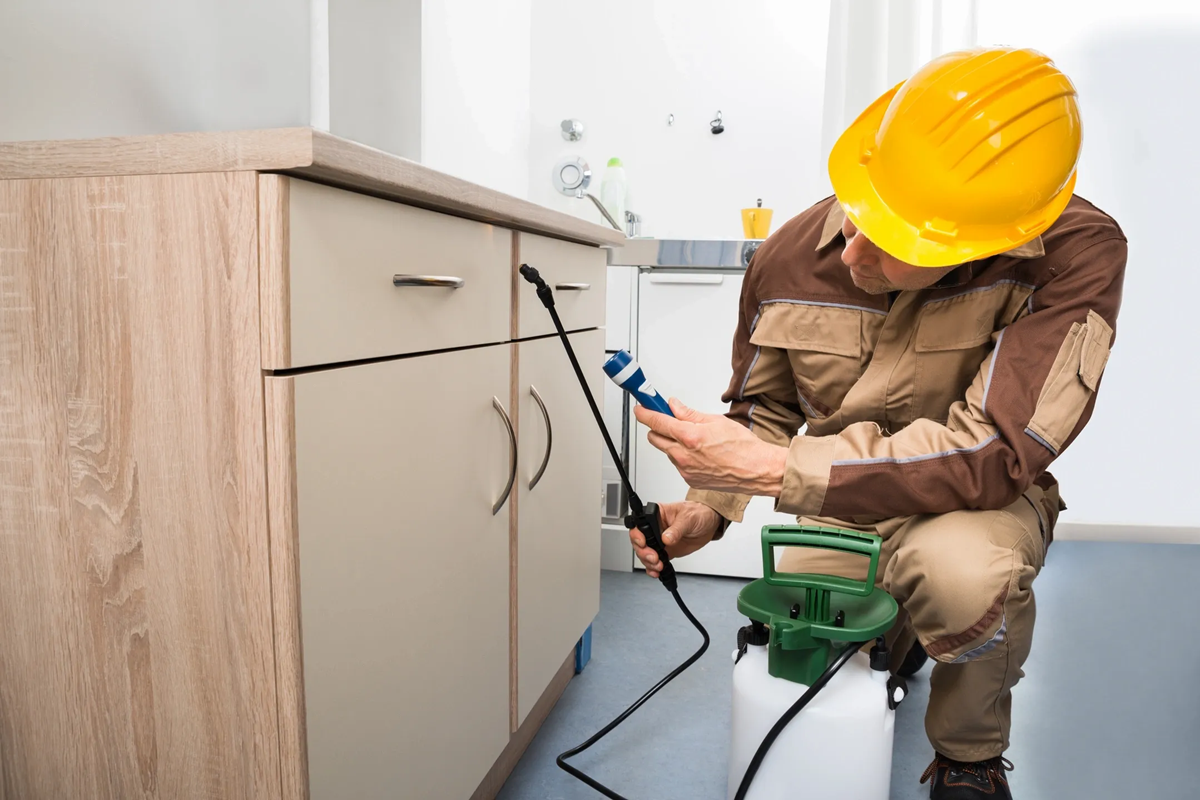
While DIY methods can manage minor issues, larger infestations often require expert intervention. Professional Spider Pest Control services offer advanced treatments that target both spiders and their hiding spots.
Experts conduct detailed inspections, identify species, and apply specialised solutions that provide long-lasting results.
Professional Spider Pest Control is especially recommended when:
-
Infestations are widespread
-
Dangerous spider species are present
-
DIY methods have failed
Benefits of Professional Spider Pest Control
Hiring professionals ensures a more comprehensive approach to Spider Pest Control. Key benefits include:
-
Accurate identification of spider species
-
Targeted treatment plans
-
Long-term prevention strategies
-
Safe application of pest control products
Professional Spider Pest Control not only removes existing spiders but also prevents future infestations.
Seasonal Spider Pest Control Tips
Maintaining year-round Spider Pest Control requires adapting to seasonal changes.
Summer
Warmer months increase insect activity, attracting more spiders. Focus on reducing indoor pests and maintaining clean spaces for effective Spider Pest Control.
Autumn
Spiders seek shelter indoors during cooler weather. Sealing entry points and applying preventative treatments is essential for seasonal Spider Pest Control.
Winter
Although activity decreases, spiders remain hidden indoors. Regular inspections and cleaning help maintain consistent Spider Pest Control.
Spring
Spring is a time of increased movement and breeding. Early preventive actions strengthen your overall Spider Pest Control strategy.
Long Term Spider Pest Control Strategies
Consistency is the key to successful Spider Pest Control. Combining multiple methods ensures long-term effectiveness. Regular inspections, proper cleaning routines, and periodic treatments help maintain a spider-free environment.
Educating household members about basic prevention steps also improves results. The more proactive your approach, the more effective your Spider Pest Control efforts will be.
Conclusion
Spiders may be a natural part of the environment, but they don’t need to be part of your home. With the right knowledge and strategies, effective Spider Pest Control can keep your living space clean, safe, and comfortable all year round.
By focusing on prevention, using natural solutions, and seeking professional help when needed, you can maintain a web-free home without stress. Start implementing these Spider Pest Control tips today and enjoy a cleaner, more peaceful living environment.