
Have you ever wondered what keeps a building standing tall during a severe storm? Or why do some structures last for centuries while others show cracks within years? What actually goes into making a home safe enough for your family to live in?
These questions might seem simple, but the answers involve a fascinating blend of science, expertise, and careful planning. Structural engineering is the invisible backbone of every building we enter, live in, and work within. From the foundations beneath our feet to the roof over our heads, structural engineers make sure everything holds together safely. In Australia, where we face unique challenges like cyclones, earthquakes, and flooding, this expertise becomes even more critical.
In this post, we’ll explore the role of a structural engineer in construction and why their input matters at every stage of building. You’ll discover what makes a building structurally sound, learn about safe civil engineering structure design, and understand when you might need professional help for your own project. Whether you’re planning a renovation, buying a property, or simply curious about how buildings work, this guide will give you the knowledge you need to make informed decisions.
What Is the Role of a Structural Engineer in Construction?
Key Responsibilities Throughout the Building Process
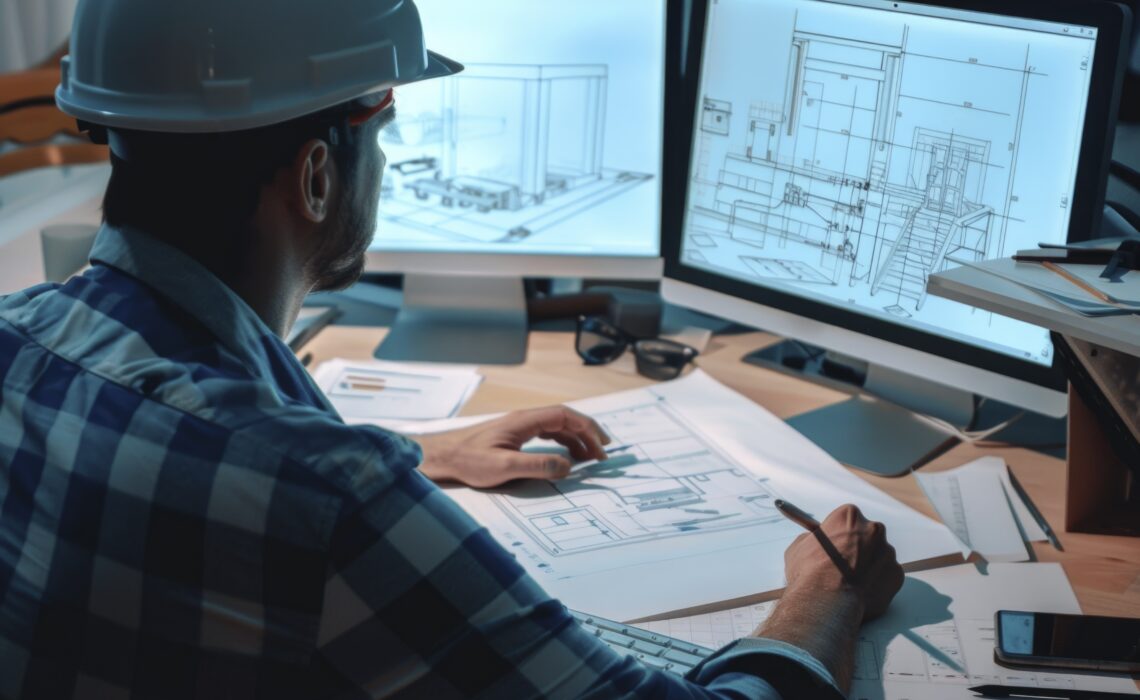
The role of a structural engineer in construction extends far beyond drawing up plans. These professionals analyse loads, forces, and stresses that a building will face over its lifetime. They calculate exactly how much weight floors can carry, how walls will resist wind, and how foundations will handle soil movement.
From initial design through to final inspection, structural engineers provide crucial oversight. They select appropriate materials, specify connection details, and make sure every element works together as a system. Their calculations must account for both everyday use and extreme events like storms or earthquakes.
How Structural Engineers Collaborate with Architects and Builders
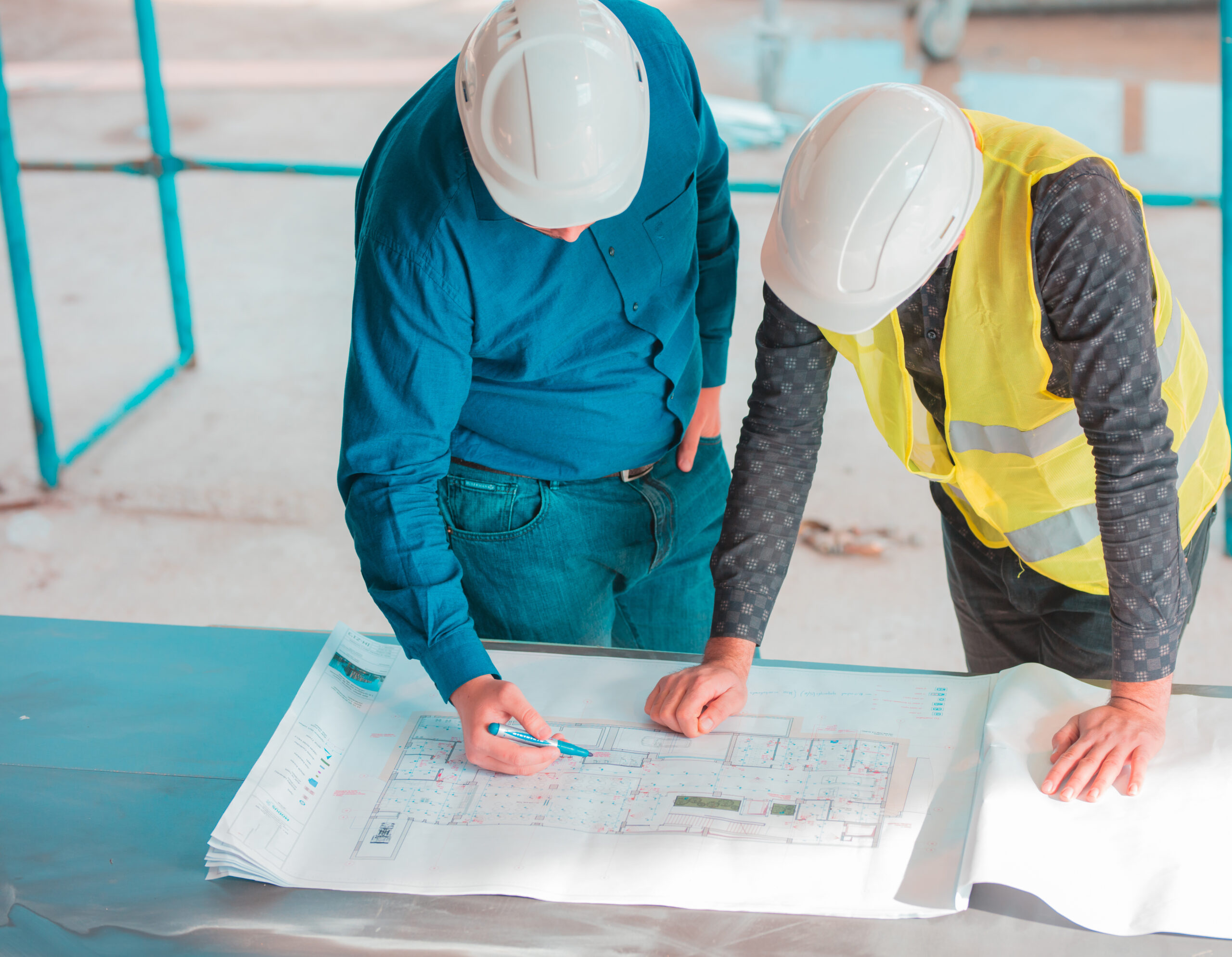
Structural engineers don’t work in isolation. They partner closely with architects to turn creative visions into buildable realities. While architects focus on aesthetics and functionality, structural engineers figure out how to make those designs stand up safely.
On site, they work with builders to resolve practical issues. Sometimes what looks great on paper needs tweaking once construction begins. A good structural engineer adapts their designs while maintaining safety standards.
Do I Need a Structural Engineer for My Project?
If you’re removing walls, adding extensions, or making changes that affect your home’s structure, you’ll likely need a structural engineer. Australian building regulations require engineering certification for most structural work. Plus, having a professional sign-off protects you legally and gives buyers confidence if you ever sell.
What Makes a Building Structurally Sound?
Core Principles of Structural Integrity
A structurally sound building successfully transfers all loads safely to the ground. This includes dead loads (the building’s own weight), live loads (people, furniture, equipment), and environmental loads (wind, rain, seismic activity). Every element must be strong enough and stiff enough to handle these forces.
Redundancy is another key principle. Well-designed structures have backup load paths, so if one element fails, others can compensate. This prevents localised damage from causing catastrophic collapse.
Materials and Methods for Long-Lasting Structures
Modern construction uses concrete, steel, timber, and masonry in various combinations. Each material has strengths and limitations. Concrete excels in compression but needs steel reinforcement for tension. Timber works brilliantly for many residential applications but requires protection from moisture and termites.
Connection details matter enormously. The strongest materials become weak points if they’re not properly joined together. Engineers specify bolts, welds, brackets, and ties that maintain structural integrity throughout the building’s life.
How Do You Know If a Building Is Structurally Sound?
Warning signs include visible cracks (especially diagonal ones), doors that stick, uneven floors, and gaps around windows. However, some structural issues aren’t obvious to untrained eyes. Professional inspections provide certainty, particularly when buying property or noticing changes in an existing building.
Common Structural Problems and How Engineers Solve Them
Foundation Issues and Settlement
Reactive clay soils cause significant foundation problems across Australia. As soil moisture changes, foundations can move, crack, and distort. Engineers design foundations suited to local conditions, using techniques like deeper footings, pier systems, or engineered slabs.
When problems occur in existing buildings, engineers assess the damage and recommend repairs. Solutions range from underpinning (strengthening foundations) to crack stitching and flexible joints that accommodate ongoing movement.
Load-Bearing Wall Modifications
Removing or modifying load-bearing walls ranks among the most common reasons homeowners engage structural engineers. What seems like a simple renovation can compromise a building’s entire structural system if done incorrectly.
Engineers design replacement elements—typically steel or engineered timber beams—that carry loads previously supported by the wall. They specify adequate support at each end and detail connections that transfer forces safely.
Cracks, Movement, and Structural Deterioration
Not all cracks indicate structural problems, but some definitely do. Engineers distinguish between cosmetic cracking and genuine structural distress. They investigate causes, assess severity, and recommend appropriate responses.
Deterioration from corrosion, decay, or termite damage requires careful evaluation. Engineers determine whether repairs can restore structural adequacy or whether replacement becomes necessary.
When Should You Hire a Structural Engineer?
Renovations, Extensions, and Knockdown Rebuilds
Any project involving structural changes benefits from engineering input. Removing walls, adding levels, cutting openings, and constructing extensions all require professional design. Even knockdown rebuilds need engineering for the new structure.
Getting engineering advice before finalising renovation plans helps avoid disappointment. Some modifications prove impractical or prohibitively expensive when engineering requirements are considered.
Buying or Selling Property: Pre-Purchase Inspections
Structural inspections give buyers confidence and protect sellers from future disputes. Engineers identify existing problems, assess their significance, and estimate repair costs. This information supports informed purchasing decisions.
Can a Structural Engineer Approve Building Work?
Registered structural engineers can certify that designs comply with relevant standards. However, they can’t issue building permits—that’s the council’s role. Engineering certification forms part of the broader approval process that councils oversee.
Building Confidence Through Expert Structural Solutions
Throughout this post, we’ve explored how structural engineering keeps buildings safe and durable. From the role of structural engineer in construction to understanding what makes buildings structurally sound, these professionals provide essential expertise that protects lives and property.
Whether you’re planning an engineer house planning for a new home, renovating an existing property, or simply wanting to understand your building better, structural engineers offer invaluable guidance. Their knowledge of safe civil engineering structures design and experience with structural design project delivery make them essential partners in any construction endeavour.
Don’t wait until problems appear to engage professional help. If you’re considering any structural work, reach out to a qualified structural engineer early in your planning. The investment in proper engineering pays dividends through safer buildings, smoother construction, and genuine peace of mind. Your building—and everyone who uses it—deserves nothing less than expert structural solutions.