
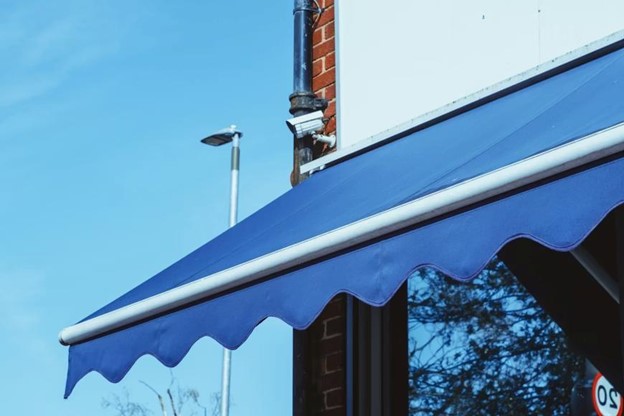
Awnings face constant exposure to weather, temperature changes, and airborne debris. Seasonal care keeps them looking sharp and working properly. With simple routines spread across the year, you can protect fabric, frames, and fixings while extending lifespan, performance, and overall value without complex maintenance.
Outdoor shading works hardest when the seasons change. Sun, rain, wind, and cold all affect materials in different ways. Whether installed above windows, doors, or patios, awnings benefit from structured, seasonal attention. For homeowners considering Dutch awnings for sale, understanding care requirements is just as important as choosing the right style. Thoughtful maintenance keeps shading reliable, visually appealing, and structurally sound year after year.
The Importance of Seasonal Care for Function and Finish
Awnings are engineered for outdoor use, but exposure is cumulative. Ultraviolet radiation gradually weakens fibres. Moisture encourages staining and surface growth. Wind places ongoing strain on frames and fixings. Seasonal care targets these pressures at the right time, reducing wear before it becomes visible damage.
Regular attention also supports function. Clean fabric sheds water more efficiently. Secure frames maintain correct pitch. Proper tension prevents flapping and distortion. Together, these factors keep awnings operating as intended throughout the year.
Spring Reconditioning: Bringing Awnings Back to Peak Condition
Spring offers the ideal conditions to reset awnings after winter exposure. Milder temperatures make inspection and cleaning more effective, without the complications of frost or intense heat.
1. Identifying Subtle Fabric Fatigue Early
Fabric should be checked for early signs of thinning, weakened seams, or edge wear. These changes often appear gradually and are easiest to manage when detected early.
2. Removing Residue Without Compromising Finishes
Winter debris, airborne pollutants, and pollen settle into fabric during colder months. Gentle cleaning with lukewarm water helps restore appearance without damaging protective coatings. Fabric should always dry fully before retraction.
3. Restoring Structural Alignment and Security
Temperature changes can loosen fixings over time. Spring inspections help confirm that brackets, arms, and mounting points remain secure and correctly aligned before regular use resumes.
Summer Management: Preserving Shade Quality Under Continuous Exposure
Summer places the highest demand on awnings, as extended daylight hours and stronger sunlight increase stress on both fabric and framework. Heat can cause fabric to relax slightly, so maintaining correct tension is important to preserve clean lines, improve water runoff during sudden showers, and reduce unnecessary movement in light wind. Although awnings are designed to provide sun protection, retracting them during periods of extreme heat or high winds helps limit continuous exposure, supporting colour retention and long-term fabric durability. Clear seams and unobstructed edges also play a role by encouraging airflow, which reduces heat buildup beneath the canopy and improves comfort while easing strain on materials. Mid-season is often when property owners reassess shading performance, and interest in Dutch awnings for sale frequently increases at this stage, as their fixed structure offers consistent coverage with minimal adjustment.
Autumn Preparation: Safeguarding Against Moisture and Debris
Autumn introduces heavier rainfall and falling organic matter, both of which can accelerate wear if ignored.
● Preventing Organic Build-Up Before It Causes Damage
Leaves and debris trap moisture against fabric surfaces. Regular clearing reduces staining and discourages surface growth that can weaken fibres over time.
● Managing Rainwater Flow for Long-Term Fabric Health
Awning pitch should allow water to drain efficiently. Standing water increases load on seams and can distort fabric, particularly during prolonged wet periods.
● Resolving Minor Wear Before Seasonal Stress Increases
Cooler temperatures provide a suitable window for addressing small repairs. Resolving minor issues early prevents deterioration during harsher winter conditions.
Winter Care: Maintaining Integrity During Periods of Low Use
While awnings are often used less in winter, exposure continues. Protective measures during this period reduce unnecessary stress.
Protecting Materials From Prolonged Damp and Frost
Where design allows, retracting awnings or using protective covers shields fabric from prolonged moisture and frost, helping preserve coatings and surface integrity.
Preserving Frame Stability in Cold Conditions
Cold weather affects expansion and contraction of materials. Occasional checks ensure brackets and joints remain secure and properly seated.
Avoiding Mechanical Stress During Temperature Extremes
Operating awnings in freezing conditions increases the risk of cracking or misalignment. Waiting for milder temperatures protects both fabric and mechanisms.
How Materials Respond to Seasonal Change
Different materials respond differently to environmental conditions. Acrylic fabrics resist fading and moisture absorption but still require routine cleaning to prevent surface buildup. Polyester blends offer flexibility yet benefit from careful tension control.
Aluminium frames provide corrosion resistance and structural stability, while steel components rely on intact protective finishes. Understanding these material behaviours allows care routines to be more precise and effective.
Small Maintenance Habits That Preserve Long-Term Value
Seasonal care becomes manageable when supported by consistent habits. Light cleaning throughout the year, visual inspections at seasonal transitions, and avoiding use during extreme conditions significantly extend service life without complex maintenance routines.
Knowing When Professional Servicing Is Worthwhile
Routine care suits most property owners, but periodic professional inspection adds reassurance. Alignment, tension, and fixings can be assessed accurately, ensuring safe operation and long-term reliability while identifying issues not visible at surface level.
Seasonal Care as Part of Considered Outdoor Design
Seasonal awning care works best when treated as an ongoing cycle rather than an occasional task. When maintenance follows the rhythm of the year, awnings remain dependable, visually refined, and structurally sound.
For homeowners considering Dutch awnings for sale, understanding these care principles supports informed decisions and long-term satisfaction. A well-maintained awning delivers lasting shade, comfort, and exterior balance without unnecessary replacement.
Conclusion
Seasonal awning care delivers the greatest benefit when it becomes part of regular property upkeep rather than a response to visible wear. Small, timely actions taken throughout the year help fabrics retain strength, frames remain secure, and mechanisms operate smoothly under changing conditions. For homeowners reviewing options or planning upgrades, these principles also inform smarter long-term choices when considering Dutch awnings for sale, ensuring shading solutions continue to offer reliable protection, visual balance, and lasting value.