
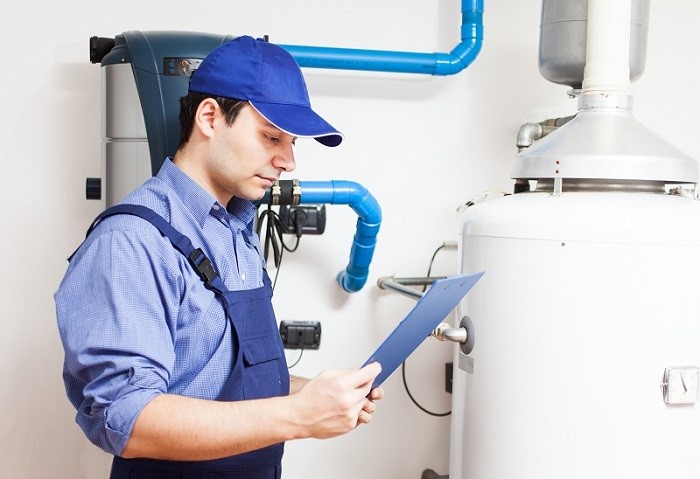
There are few things more essential to the Australian way of life than a reliable supply of heated water. Whether it is the steaming shower that wakes you up before a long commute, the bath that settles the kids down at night, or the ability to wash grease off pans after a weekend barbeque, we rely heavily on this unseen luxury. Yet, most homeowners rarely give their water heater a second thought until they turn the tap and are met with a freezing cold surprise.
In a country with a climate as diverse as ours—ranging from the humid north to the frosty winters of the southern states—maintaining a functional plumbing system is vital for comfort and hygiene. A broken heater is more than an inconvenience; it disrupts the entire rhythm of the household. This is why understanding the value of a professional hot water service is so critical.
It is about more than fixing a leak when it happens. It is about understanding how these systems work, choosing the right energy source for your home, and ensuring regular maintenance extends the lifespan of your investment. By being proactive, Australian homeowners can save money on energy bills, prevent disastrous flooding from burst tanks, and ensure their morning routine remains uninterrupted.
Understanding Your Home’s Thermal Heart
Your water heater works hard. It operates twenty-four hours a day, keeping a large volume of water ready for use or heating it instantly on demand. Because it is often tucked away in a laundry cupboard, a garage, or outside down the side of the house, it is easy to ignore. However, neglect is the primary reason these systems fail early.
The technology inside these units has evolved significantly. Decades ago, a standard electric tank was the only real option. Today, the market is filled with advanced choices designed to suit modern Australian energy needs.
The Rise of Heat Pumps
In recent years, we have seen a massive shift toward heat pump technology. These units act like a refrigerator in reverse. Instead of using electricity to generate heat directly (which consumes a lot of power), they use a small amount of electricity to pull ambient heat from the air and transfer it to the water. They are incredibly efficient and work well even in cooler Australian climates. For homeowners with solar panels on the roof, a heat pump acts like a thermal battery, soaking up free energy during the day to provide hot water at night.
Gas Continuous Flow
For homes connected to natural gas, continuous flow (or “instant”) systems remain popular. These small, wall-mounted boxes heat water only when you need it. They never run out, making them ideal for large families where the shower sees constant use during the morning rush.
Solar Systems
Given our abundance of sunshine, solar thermal systems are a logical choice for many. These use roof-mounted collectors to heat the water. While they often require a gas or electric booster for cloudy days, they can significantly reduce household carbon footprints.
Regardless of the type of system you have, they all share one common trait: they contain complex valves, seals, and heating elements that degrade over time. This is where a scheduled hot water service becomes necessary to keep them running safely.
The Hidden Components That Need Attention
Many people assume a water heater will last forever without being touched. However, inside the tank, there is a constant battle against corrosion. Australian water quality varies from region to region. In some areas, “hard” water with high mineral content can accelerate wear and tear on plumbing fixtures.
The Sacrificial Anode
The most critical component in a storage tank system is the sacrificial anode. This is a metal rod, usually made of magnesium or aluminium, that hangs inside the tank. Its sole purpose is to attract corrosion. It rusts away so that the steel tank does not.
It is a simple but effective scientific principle. However, once the anode has completely rusted away, the corrosion will begin to attack the tank walls. This eventually leads to a catastrophic failure where the bottom of the tank rusts out, dumping water everywhere. During a routine hot water service, a plumber checks this anode. Replacing it before it is fully depleted can double the life of your tank.
The Relief Valve
Every storage tank has a Temperature Pressure Relief (TPR) valve. You might see this as a small lever near the top of the unit. Its job is to release pressure if the water gets too hot or the pressure builds up too high. If this valve seizes up due to lack of use or sediment build-up, the tank can become dangerous. Conversely, if it fails open, it will constantly leak hot water, wasting energy and money.
Safety Regulations and Compliance
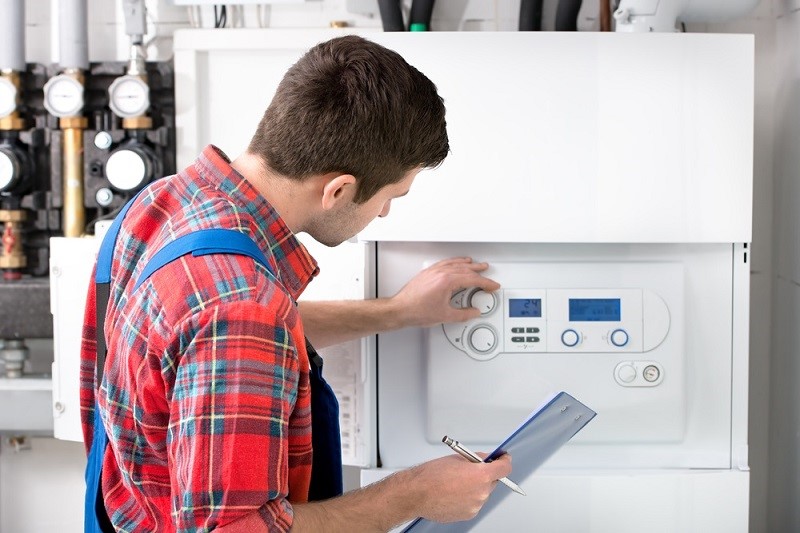
Plumbing regulations in Australia are strict for a reason. They are designed to protect people from injury and property from damage. When you hire a professional for a hot water service or installation, they ensure your home meets these standards.
One of the most important regulations involves the “tempering valve.” In Australia, water in a storage tank must be kept at a minimum of 60 degrees Celsius to prevent the growth of harmful bacteria like Legionella. However, water at 60 degrees can cause third-degree burns in seconds. This is a major risk for children and the elderly who have thinner skin.
To solve this, a tempering valve is installed on the pipework leading to the bathroom. It mixes cold water with the hot water to ensure it is delivered to the tap at a maximum of 50 degrees Celsius. This keeps the water safe to use while ensuring the tank remains hygienic. A licensed plumber will check the operation of this valve to ensure it is mixing correctly.
Additionally, tanks installed inside a home must sit on a “safe tray” with a drain that leads outside. This failsafe ensures that if the tank does develop a slow leak, the water is directed out of the house rather than soaking into your carpets or floorboards.
Signs You Need to Book a Service
You do not always need to wait for the water to run cold to know something is wrong. Your system will often give you warning signs that it is struggling. Paying attention to these signals can allow you to book a repair before you are left stranded.
- Discoloured Water: If the water coming out of the hot tap looks brown or rusty, it is a strong indication that the inside of your tank is corroding.
- Odd Noises: A popping, banging, or rumbling noise coming from the tank is often caused by sediment building up at the bottom. The water trapped under the sediment boils and bubbles up, causing the noise.
- Leaking: Puddles of water around the base of the unit are never a good sign. It could be a simple washer issue, or it could be a cracked tank.
- Temperature Fluctuations: If the water goes from hot to cold and back again during a shower, the thermostat or the tempering valve may be failing.
The Economic Case for Maintenance
There is a common misconception that calling a plumber for a check-up is an unnecessary expense. However, the cost of a routine hot water service is a fraction of the cost of an emergency replacement.
When a tank bursts, it often happens at the most inconvenient time—on a weekend or public holiday. You are then forced to pay emergency call-out rates. Furthermore, because you need water immediately, you often have to take whatever unit is available in stock, rather than shopping around for the most energy-efficient model.
By maintaining your current system, you delay the need for replacement. You also ensure it is running at peak efficiency. A system clogged with sediment or with a failing heating element uses more electricity or gas to heat the same amount of water. Keeping it tuned up keeps your energy bills down.
Choosing the Right Provider
Not all plumbing issues are the same. Gas fitting and hot water systems require specific licenses and expertise. When looking for someone to work on your unit, it is vital to choose a provider like Hames Reid who understands the specific requirements of Australian households.
Attempting DIY repairs on a water heater is illegal and dangerous. You are dealing with a combination of water, high-voltage electricity, and potentially gas. A mistake can lead to electrocution, gas leaks, or flooding. Always rely on a licensed professional who can provide a compliance certificate for the work carried out.
Questions and Answers: Common Questions About hot water service in Australia
Q: How often should I get my hot water system serviced?
A: It is generally recommended to have a major service performed by a plumber every five years. This aligns with the typical lifespan of the sacrificial anode. However, you should personally check the relief valve every six months by gently lifting the lever to ensure water flows freely and stops when you release it. If you live in an area with hard water, more frequent professional checks may be necessary.
Q: Why is water constantly dripping from the overflow pipe?
A: It is normal for the relief valve to release a small amount of water while the tank is heating, as water expands when hot. However, if there is a continuous steady stream of water, or if it drips constantly when the heater is not active, the valve may be faulty or there may be debris stuck in the seal. This requires professional attention to fix.
Q: Can I replace an electric system with a gas one?
A: Yes, switching from electric storage to a gas continuous flow unit is a common upgrade. However, it requires a natural gas connection to be available at your property. The plumber will need to run gas pipes to the location and ensure the sizing is correct for the high demand of an instant heater. You will also need an external power point for the unit’s ignition.
Q: How long does a typical hot water tank last?
A: The lifespan depends on the quality of the tank and the water conditions. A standard mild steel (vitreous enamel) tank typically lasts between 10 and 15 years. Stainless steel tanks can last significantly longer. Regular maintenance, specifically replacing the anode, is the single biggest factor in extending the life of a storage tank.
Q: Is a heat pump better than solar?
A: Both are excellent renewable options. Solar thermal relies on roof collectors, which can be expensive to install and complex. Heat pumps are often easier to install as they are a single unit on the ground. Heat pumps are incredibly efficient and can work day and night, making them a very popular choice for modern Australian homes looking to get off gas.
Conclusion: Your Path to a Successful hot water service in Australia
The comfort of your home relies heavily on that steady stream of warm water. It is a fundamental part of our daily lives, from hygiene to cleaning. By shifting your mindset from reactive repairs to proactive care, you can ensure your system serves your family reliably for years.
Understanding the components of your system, respecting the safety regulations, and recognizing the warning signs of failure empowers you as a homeowner. It allows you to make informed decisions rather than panicked ones.