
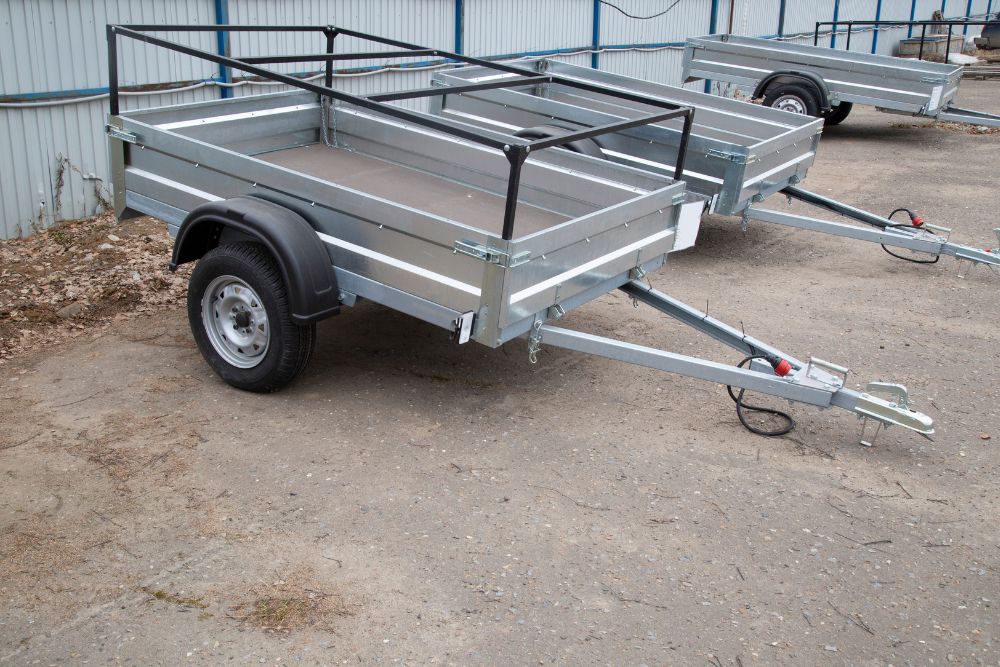
Have you ever wondered what could go wrong if your car isn’t properly secured on a trailer? Picture this: you’re cruising down the highway, and suddenly your vehicle shifts unexpectedly. Scary thought, isn’t it? Whether you’re transporting a classic car to a show or moving your daily driver interstate, getting your trailer security right is crucial.
Securing a car on a trailer might seem straightforward, but there’s more to it than meets the eye. From choosing the right car tie down straps to understanding where your trailer tie down points are located, every detail matters. A poorly secured load doesn’t just risk damaging your vehicle it can create serious hazards for other road users too.
In this guide, we’ll walk you through everything you need to know about how to tie down a car on a trailer safely. You’ll learn about the best car trailer straps, proper strap placement techniques, and essential trailer hitch security measures. Plus, we’ll cover common mistakes people make and how to avoid them. By the end, you’ll feel confident about transporting your car trailer anywhere in Australia.
Understanding Trailer Tie Down Points
What Are Trailer Tie Down Points and Why Are They Important?
Trailer tie down points are the designated anchor locations on your trailer designed specifically for securing loads. These points are engineered to handle significant stress and weight distribution. Using random spots on your trailer frame simply won’t cut it you need these purpose-built anchors.
Why do they matter so much? Well, proper tie down points ensure that force is distributed evenly across your trailer’s structure. This prevents damage to both your trailer and vehicle during transport. They’re typically rated for specific weight capacities, so always check your trailer’s specifications.
Identifying the Best Anchor Points on Your Trailer
Most car trailers feature multiple anchor points positioned strategically around the deck. Look for D-rings, loops, or slots built into the trailer frame. The best practice is using all four corners to create balanced tension that keeps your vehicle stable.
When inspecting your anchor points, check for signs of wear, rust, or damage. Compromised tie down points can fail under pressure, creating dangerous situations. If you spot any issues, get them repaired before loading your vehicle.
Choosing the Best Car Trailer Straps and Tie Downs
Car Carrier Tie Down Straps vs Car Transporter Tie Down Straps
You might think all straps are created equal, but that’s not quite right. Car carrier tie down straps and car transporter tie down straps serve similar purposes but may differ in design specifics. Some are optimised for open trailers, while others suit enclosed applications better.
The key is matching your straps to your transport needs. Consider factors like strap width, length, and breaking strength. Quality vehicle tie down straps typically feature reinforced stitching and durable webbing that won’t fray over time.
Wheel Tie Down Straps for Trailers Explained
Wheel tie down straps for trailers wrap around your vehicle’s tyres rather than attaching to the chassis. This method is brilliant because it eliminates contact with your car’s body or suspension components. For those transporting valuable or classic vehicles, this is often the preferred approach.
These straps work by creating downward pressure on the tyres, essentially pinning the wheels to the trailer deck. Wheel ratchet straps are particularly popular because they allow precise tension adjustment. Just make sure the straps sit snugly in the tyre’s groove for maximum grip.
Car Trailer Ratchet Straps: When and Why to Use Them
Car trailer ratchet straps offer superior control over tension compared to basic cam buckle straps. The ratcheting mechanism lets you tighten incrementally until you achieve the perfect amount of pressure. This precision makes them the best car trailer tie downs for most applications.
When should you use them? Honestly, almost always. The ratchet system locks securely and won’t slip during transit. Just remember not to overtighten you want firm tension without compressing your suspension excessively.
What Makes the Best Car Trailer Straps?
The best car trailer straps combine strength, durability, and ease of use. Look for straps rated well above your vehicle’s weight a safety margin is always wise. Weather-resistant materials are essential too, especially for Australian conditions.
Additionally, consider straps with protective sleeves or coatings where they contact your vehicle. This prevents scratches and damage to paintwork. Quality hardware, including rust-resistant hooks and ratchets, rounds out a premium strap set.
How to Tie Down a Car on a Trailer: Step-by-Step Guide
Preparing Your Vehicle and Trailer
Before you strap car to trailer, proper preparation is essential. Start by checking your trailer’s condition inspect the deck, tie down points, and ramps. Make sure everything is clean and free from debris that could cause slipping.
Next, prepare your vehicle. Ensure the handbrake works properly and consider leaving the car in gear for added security. Remove any loose items from inside that could shift during transport.
Positioning the Straps to Tie Down Car Securely
Position your straps to tie down car at all four corners for balanced security. The front straps should pull forward and down, while rear straps pull backward and down. This creates opposing forces that prevent movement in any direction.
Avoid running straps over sharp edges or fragile components. Route them carefully around your vehicle’s wheels or through designated chassis points. The goal is maximum security with minimum risk of damage.
Using Wheel Ratchet Straps Correctly
When using wheel ratchet straps, centre the strap over the tyre tread. The basket or loop should sit snugly against the tyre without gaps. Connect the hooks to your trailer’s anchor points at roughly 45-degree angles.
Ratchet each strap until firm, working in a diagonal pattern front left, rear right, front right, rear left. This ensures even tension distribution. Give your vehicle a good push afterwards to test for movement.
Tensioning and Checking Your Vehicle Tie Down Straps
Proper tensioning is crucial but often misunderstood. Your trailer tie down straps should be tight enough to prevent movement but not so tight they compress your suspension completely. A slight amount of suspension travel is actually fine.
After tensioning, perform a thorough visual inspection. Check that all hooks are properly seated and ratchets are locked. Give everything a final tug to confirm security before hitting the road.
How to Load a Car in an Enclosed Trailer
Key Differences When Securing Cars in Box Trailer Tie Downs
Learning how to load a car in an enclosed trailer involves some unique considerations. Box trailer tie downs often feature different anchor point configurations than open trailers. Space is tighter, and you’ll need to work around walls and limited visibility.
The fundamentals remain the same, but your approach may need adjustment. Enclosed trailers typically have anchor points along the floor and walls. Use these strategically to create secure attachment points from multiple angles.
Tips for Manoeuvring in Tight Spaces
Take your time when loading into enclosed trailers. Use a spotter if possible, and keep your windows down so you can hear guidance clearly. Small steering adjustments work better than dramatic movements in confined spaces.
Once loaded, use your auto trailer tie downs as normal. The enclosed environment actually provides some additional protection from wind and debris during transport.
Trailer Hitch Security and Theft Prevention
Why Trailer Hitch Security Is Essential
Trailer hitch security protects both your trailer and its cargo from theft. Unfortunately, trailers are attractive targets for thieves they’re portable and often loaded with valuable goods. A proper security setup provides crucial peace of mind.
Beyond theft prevention, good hitch security prevents accidental disconnection. Properly secured hitches won’t come loose during travel, even on rough Australian roads.
Choosing the Right Trailer Lock and Trailer Pin Lock
A quality trailer lock prevents unauthorised coupling and uncoupling. Look for locks made from hardened steel that resist cutting and drilling. Bright colours can also deter opportunistic thieves who want to avoid attention.
A trailer pin lock secures your hitch pin, preventing removal while you’re away. Combined with a coupler lock, this creates comprehensive protection. Consider using both for maximum security when leaving your trailer unattended.
Car Trailer Lock Options for Peace of Mind
Modern car trailer lock options range from simple padlocks to sophisticated alarm systems. Wheel clamps, hitch locks, and even GPS trackers all have their place in a complete security strategy.
Choose locks appropriate to your risk level and budget. For high-value cargo, investing in premium security measures makes absolute sense.
Common Mistakes When Using Trailer Straps for Cars
Over-tightening and Under-tightening Issues
Over-tightening your car trailer tie down straps can damage suspension components and tyres. It might seem logical that tighter equals safer, but excessive pressure causes problems. You want firm tension, not crushing force.
Under-tightening is equally problematic. Loose straps allow movement during transit, potentially damaging your vehicle or worse letting it shift dangerously. Finding the sweet spot takes practice but is essential for safe transport.
Incorrect Strap Placement
Placing straps incorrectly is surprisingly common. Never attach straps to suspension arms, brake lines, or fuel lines. These components aren’t designed to handle transport forces and can be damaged or broken.
Always use designated attachment points on both your vehicle and trailer. When in doubt, consult your vehicle’s manual or seek professional advice.
Transporting Your Car Trailer Safely on Australian Roads
Legal Requirements and Weight Considerations
Australian regulations require all loads to be properly secured during transport. Your trailer and cargo must not exceed your vehicle’s towing capacity. Check your registration documents and tow vehicle specifications before loading.
Weight distribution matters too. Position your vehicle with slightly more weight over the trailer’s axle for stable towing. An improperly balanced trailer can cause dangerous swaying at highway speeds.
Pre-journey Safety Checks
Before every journey, perform comprehensive checks. Inspect your trailer straps for cars, verify hitch security, and confirm all lights work correctly. Check tyre pressures on both trailer and tow vehicle.
During longer trips, stop periodically to re-check your tie down trailer straps. Vibration and movement can cause loosening over time. A quick inspection at fuel stops takes just minutes but provides invaluable reassurance.
Secure Your Load, Protect Your Investment
Getting your trailer security right isn’t complicated it just requires attention to detail and quality equipment. By using proper trailer tie downs, securing your hitch correctly, and following established procedures, you’ll transport your vehicle safely every time.
Remember the key points we’ve covered: use all four tie down points, choose appropriate straps for your needs, and never skip your pre-journey checks. These simple steps dramatically reduce risk and protect your valuable cargo throughout its journey.
So next time you’re preparing to transport car trailer across Australia, you’ll have the knowledge and confidence to do it properly. Invest in quality car trailer tie down straps, take your time during setup, and you’ll enjoy worry-free travels. Safe journeys, mate!