
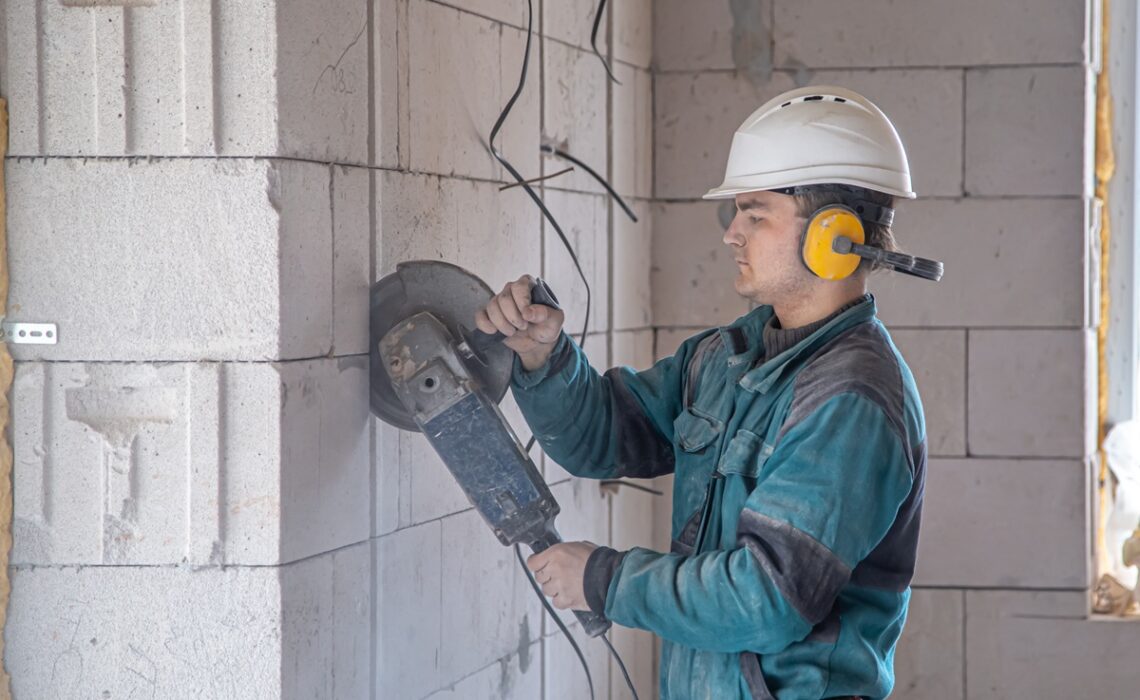
Overcutting is one of those sneaky problems that catches many builders and project managers off guard. It happens when concrete cutting extends beyond the intended line, damaging surrounding structures and creating a cascade of expensive headaches. The good news? Ring sawing technology offers a precise, controlled approach that dramatically reduces this risk.
In this article, we’ll explore how ring sawing works, why overcutting is such a costly problem on Australian job sites, and how this specialised cutting method protects your bottom line. Whether you’re managing a commercial demolition or a residential renovation, understanding these techniques could save you significant time and money. Let’s get stuck into it.
What Is Ring Sawing and How Does It Work?
Understanding Ring Saw Technology
Ring sawing uses a circular blade that cuts from the outside rather than the centre, creating a unique approach to concrete removal. Unlike traditional circular saws, the cutting edge sits on the outer rim of the blade, allowing for deeper cuts with better control.
This technology has become increasingly popular across Australian construction sites. The blade rotates around a central hydraulic or electric motor, giving operators exceptional manoeuvrability in tight spaces.
Key Components of a Ring Saw System
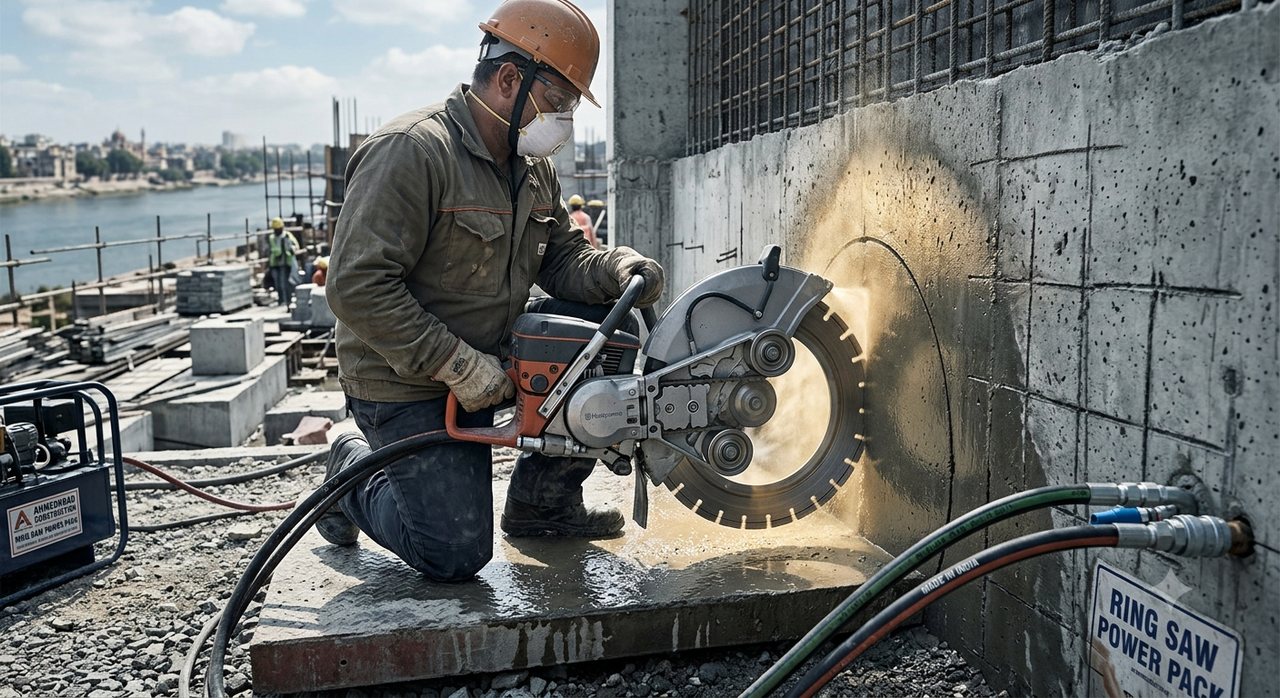
A typical ring saw system includes several essential parts working together. The diamond-tipped blade provides the cutting power, while the motor (hydraulic or electric) drives the rotation. A guide rail system keeps cuts straight and accurate.
Water supply attachments help manage dust and cool the blade during operation. The ergonomic handle design allows operators to maintain steady control throughout the cutting process.
How Ring Sawing Differs from Traditional Concrete Cutting Methods
Traditional circular saws cut from the centre outward, which limits depth capacity and creates corner overcuts. Ring saws, on the other hand, can achieve deeper penetration without the blade’s central hub getting in the way.
This fundamental difference means ring saws can cut flush to walls and floors. They also produce cleaner openings with sharper corners, which is absolutely key when precision matters.
What Is Overcutting in Concrete Demolition?
Common Causes of Overcutting on Australian Job Sites
Overcutting typically occurs when the cutting blade extends beyond the intended demolition area. Traditional circular saws are particularly prone to this because of how the blade enters and exits the concrete.
The Real Cost of Overcutting: Time, Money, and Structural Integrity
The financial impact of overcutting extends far beyond the immediate repair costs. You’re looking at:
- Structural repairs: Fixing damaged adjacent sections
- Extended project timelines: Waiting for repairs before proceeding
- Additional material costs: Replacing concrete and reinforcement
- Compliance issues: Meeting Australian building standards after damage
- Insurance complications: Potential claims and premium increases
A single overcutting mistake can add weeks to your schedule and thousands to your budget. What’s more, structural damage might not become apparent until much later, creating long-term liability concerns.
Why Is Precision Cutting Important in Concrete Demolition?
Protecting Adjacent Structures
When you’re cutting concrete near existing structures, every millimetre counts. Overcutting can weaken load-bearing elements, damage waterproofing membranes, and compromise the integrity of nearby walls or floors.
Reducing Material Waste and Disposal Cost
Accurate cutting means removing only what’s necessary. This directly translates to lower disposal costs, as you’re not hauling away excess concrete that shouldn’t have been cut.
Meeting Australian Building Standards and Compliance Requirements
Australian building codes have strict requirements regarding structural modifications. Overcutting can compromise these standards, potentially requiring engineering assessments and remedial work.
Compliance failures lead to project delays and additional inspections. In some cases, extensive overcutting might even trigger requirements for structural certification before work can continue.
How Does Ring Sawing Prevent Overcutting?
Superior Depth Control and Accuracy
Ring saws offer exceptional depth control that traditional methods simply cannot match. Operators can set precise cutting depths and maintain them consistently throughout the entire cut.
The blade design allows for incremental depth adjustments during operation. This means you can approach the target depth gradually, reducing the risk of accidentally cutting too deep.
Clean, Contained Cuts Without Corner Damage
One of ring sawing’s biggest advantages is its ability to create square corners. Traditional circular saws must overcut at corners because the round blade cannot reach right into the angle.
Ring saws eliminate this problem entirely. The external cutting edge produces clean, sharp corners without extending beyond the intended line. This capability alone can prevent numerous overcutting incidents.
Minimising Vibration and Structural Stress
Ring sawing generates significantly less vibration than impact methods like jackhammering. Lower vibration means reduced stress on adjacent structures and less risk of unintended cracking or damage.
The smooth cutting action also produces cleaner edges that require less finishing work. This combination of precision and gentleness makes ring sawing ideal for sensitive demolition environments.
What Are the Benefits of Ring Sawing for Concrete Removal?
Cost Savings on Commercial and Residential Projects
Ring sawing’s precision directly translates to cost savings. By eliminating overcutting, you avoid expensive repairs and material waste. Project budgets stay on track because unexpected problems are minimised.
Commercial projects particularly benefit from these savings. When you’re working with tight margins and fixed contracts, every dollar saved through efficient cutting contributes to profitability.
Faster Project Completion Times
Accurate first cuts mean no rework. Projects progress faster when you don’t need to stop for repairs or additional engineering assessments after cutting mistakes.
Ring sawing also allows work in confined spaces where other methods would be impossible. This versatility keeps projects moving forward without equipment changes or method modifications.
Safer Working Conditions for Demolition Crews
Ring saws create controlled, predictable cuts that improve worksite safety. The reduced vibration and dust (when water-cooled) create better conditions for operators.
Fewer overcutting incidents also mean fewer structural surprises during demolition. Workers can proceed with confidence knowing the remaining structure hasn’t been compromised.
When Should You Use Ring Sawing Over Other Cutting Methods?
Ideal Applications for Ring Sawing in Australia
Ring sawing excels in specific situations common across Australian construction:
- Creating doorways and windows in existing concrete walls
- Cutting openings for mechanical and electrical penetrations
- Partial demolition where adjacent structures must remain intact
- Confined spaces where larger equipment cannot access
- Precision cuts requiring sharp corners and clean edges
Comparing Ring Sawing to Wall Sawing and Wire Sawing
Wall sawing uses track-mounted circular blades, offering speed for long straight cuts but producing corner overcuts. Wire sawing handles very thick concrete but requires more setup time.
Ring sawing fills the gap between these methods. It provides the precision of wire sawing with the convenience of hand-held operation, making it the go-to choice for many precision applications.
Choosing the Right Concrete Cutting Contractor
What to Look for in a Professional Concrete Cutting Service
Look for contractors with specific ring sawing experience and appropriate licensing. Check their insurance coverage and verify it’s adequate for your project requirements.
References from similar projects provide valuable insight. A well-trained team with modern equipment typically delivers better results than budget operators with outdated machinery.
Investing in Precision to Protect Your Bottom Line
Ring sawing represents a significant advancement in concrete cutting technology, offering the precision needed to prevent costly overcutting on Australian job sites. By understanding how this technology works and when to apply it, you can protect your projects from expensive mistakes.
The upfront investment in professional ring sawing services consistently pays off through avoided repairs, faster completion times, and maintained structural integrity. When precision matters and it usually does ring sawing delivers results that traditional methods simply cannot match.
