
Have you ever wondered why some car parks seem effortlessly organised while others feel like complete chaos? Or why certain pedestrian crossings give you confidence to step out, while others leave you second-guessing? The answer often lies in something we walk and drive over every single day without giving it much thought linemarking.
Quality linemarking in public spaces isn’t just about aesthetics. It’s the silent language that guides our movements, keeps us safe, and ensures everyone knows exactly where they should be. From busy shopping centre car parks to school zones and warehouse facilities, clear and durable lines make all the difference. Poor linemarking, on the other hand, leads to confusion, accidents, and costly liability issues.
In this guide, we’ll explore everything you need to know about linemarking best practices in Australia. You’ll discover the regulations you must follow, the materials that deliver lasting results, and the common mistakes that trip people up. Whether you’re managing a commercial property, overseeing a council project, or simply curious about what makes effective linemarking tick, this article has got you covered.
What Is Linemarking and Why Is It Essential?
Understanding the Purpose of Linemarking
Linemarking serves as the backbone of traffic management and pedestrian safety in public spaces. At its core, it provides visual cues that tell people where to walk, drive, park, and stop. Without these markings, public spaces would descend into confusion and danger pretty quickly.
Beyond simple direction, linemarking communicates important safety information. Yellow lines warn of hazards. White lines define parking bays and traffic lanes. Blue markings indicate accessible parking for people with disabilities. Each colour and pattern has a specific meaning that most Australians instinctively understand.
Types of Public Spaces That Require Professional Linemarking
Professional linemarking is essential across numerous settings. Car parks whether at shopping centres, hospitals, or office buildings—rely on clear bay markings and directional arrows. Schools need pedestrian crossings, drop-off zones, and playground boundaries. Warehouses and factories require safety lanes to separate foot traffic from forklifts and machinery.
Sports facilities, airports, council roads, and recreational areas all demand quality linemarking too. Each environment presents unique challenges and requirements, making professional expertise invaluable.
What Are the Australian Standards for Linemarking?
Key Regulations and Compliance Requirements
Australian linemarking must comply with AS/NZS 4049.4, which covers road marking materials and performance requirements. For car parks, AS/NZS 2890.1 sets out the standards for off-street parking facilities. These regulations ensure consistency and safety across all public spaces.
Non-compliance isn’t just risky it can result in fines, insurance issues, and legal liability if accidents occur. Property managers and business owners must ensure their linemarking meets current standards at all times.
Colour Codes and Their Meanings
Understanding colour codes is crucial for effective linemarking:
- White: Standard lane markings, parking bays, and pedestrian crossings
- Yellow: No parking zones, hazard warnings, and edge lines
- Blue: Accessible parking spaces for people with disabilities
- Red: Fire lanes and emergency vehicle access
- Green: Often used for bicycle lanes and environmentally designated areas
How Often Should Linemarking Be Renewed?
In high-traffic areas, linemarking typically needs refreshing every 12 to 18 months. Lower-traffic zones might last two to three years. Regular inspections help you catch fading or damage before it becomes a safety issue.
Best Practices for Effective Linemarking
Choosing the Right Paint and Materials
Not all linemarking paints are created equal. Your choice depends on the surface type, traffic volume, and environmental conditions. Thermoplastic paints offer exceptional durability for high-traffic roads. Water-based options work brilliantly for indoor applications and provide faster drying times.
Surface Preparation: The Foundation of Long-Lasting Lines
Proper surface preparation makes or breaks your linemarking project. The surface must be clean, dry, and free from oil, grease, and loose debris. Any existing damaged markings should be removed before applying fresh lines.
Pressure washing is often the first step, followed by crack filling and surface repairs. Skipping this stage is a false economy poorly prepared surfaces lead to peeling, flaking, and premature wear.
Weather Considerations for Australian Conditions
Australia’s climate presents unique challenges for linemarking. Extreme heat can cause paint to bubble or cure too quickly. High humidity slows drying and affects adhesion. Rain is the obvious enemy most paints need dry conditions for application.
The best practice is scheduling work during mild weather with temperatures between 10°C and 30°C. Early morning or late afternoon often provides ideal conditions, avoiding the harshest midday sun.
Ensuring Visibility and Durability
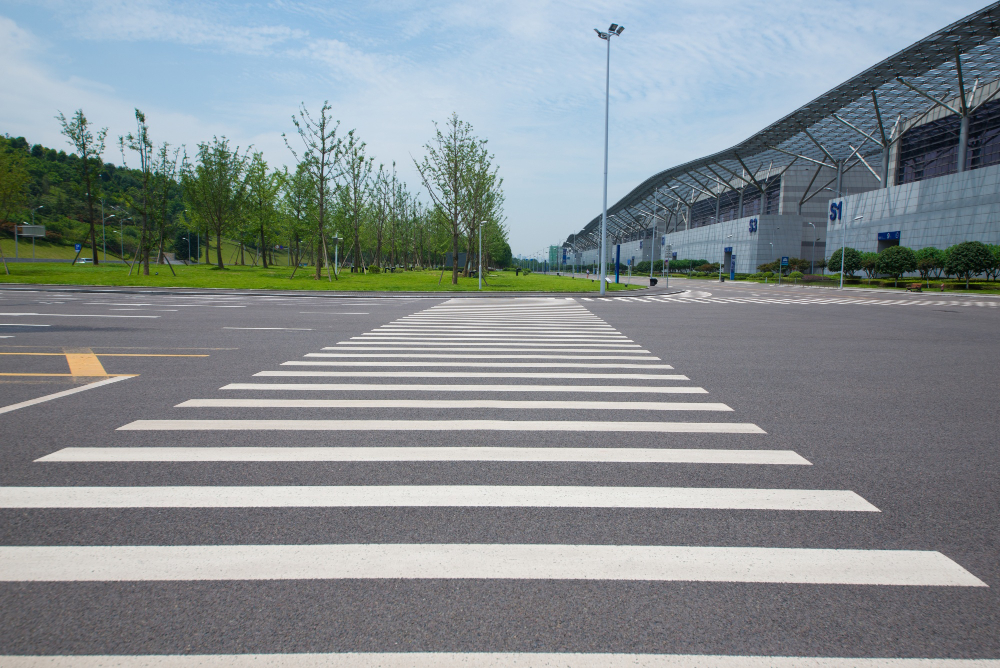
Visibility isn’t just about bright colours it’s about contrast, reflectivity, and positioning. Adding glass beads to paint creates retroreflective properties, making lines visible at night when headlights hit them. This is particularly important for pedestrian crossings and car park entrances.
What Is the Best Paint for Linemarking?
Thermoplastic vs Water-Based vs Solvent-Based Paints
Thermoplastic paints are heated and applied in a molten state. They’re incredibly durable, lasting up to four years in high-traffic areas. However, they require specialist equipment and professional application.
Water-based paints are environmentally friendly, quick-drying, and easy to apply. They’re perfect for indoor spaces, low-traffic areas, and situations where VOC emissions are a concern. Durability is lower than thermoplastic, typically lasting one to two years.
Solvent-based paints offer excellent adhesion and durability. They’re more resistant to chemicals and petroleum products, making them ideal for petrol stations and industrial facilities. The downside? Longer drying times and higher VOC emissions.
Eco-Friendly Linemarking Options
Sustainability matters more than ever. Water-based paints with low VOC content are becoming industry standard. Some manufacturers now offer paints made from recycled materials or with reduced environmental impact. Plus, choosing durable materials means less frequent reapplication, reducing overall resource consumption.
Common Linemarking Mistakes to Avoid
Poor Planning and Measurement Errors
Rushing into linemarking without proper planning leads to crooked lines, incorrectly sized bays, and wasted materials. Always measure twice and mark out the layout before any paint touches the ground. Using string lines and templates ensures straight, professional results.
Ignoring Surface Conditions
Applying paint to dirty, wet, or damaged surfaces is asking for trouble. The paint won’t adhere properly, leading to peeling within weeks. Always inspect and prepare surfaces thoroughly before commencing work.
Cutting Corners on Quality Materials
Cheap paint might save money upfront, but it costs more long-term. Poor-quality materials fade quickly, wear unevenly, and require frequent reapplication. Investing in quality paints and materials delivers better value over time.
When Should You Hire a Professional Linemarking Company?
DIY vs Professional Linemarking
Small touch-ups and minor projects might suit a DIY approach. However, professional linemarking delivers superior results for anything significant. Professionals have the equipment, expertise, and experience to work efficiently and achieve lasting results.
What to Look for in a Linemarking Contractor
Choose contractors with proven experience, proper insurance, and relevant certifications. Ask for references and examples of previous work. Ensure they understand Australian standards and use quality materials. A good contractor will conduct site assessments and provide detailed quotes.
Maintaining Your Linemarking for Longevity
Regular maintenance extends the life of your linemarking significantly. Schedule periodic inspections to identify fading, damage, or wear. Address small issues promptly before they become major problems. Keep surfaces clean oil stains and debris accelerate deterioration.
Consider implementing a maintenance schedule based on traffic patterns and seasonal changes. High-traffic areas need more frequent attention than quieter zones.
Creating Safer Public Spaces Through Quality Linemarking
Quality linemarking truly transforms public spaces. It provides the visual guidance everyone needs to navigate safely and confidently. From choosing the right materials to following Australian standards, each element contributes to effective, long-lasting results.
The key takeaways are straightforward. Always prepare surfaces properly. Choose appropriate materials for your specific application. Follow Australian standards for compliance and safety. Don’t cut corners on quality it costs more in the long run. And know when to call in the professionals.
Whether you’re responsible for a small car park or a large public facility, investing in quality linemarking is investing in safety. Your visitors, customers, and community deserve clear, well-maintained markings that guide them confidently. So take action, review your current linemarking, and make the improvements needed to create truly safe public spaces.


