

Have you ever woken up to a flooded bathroom floor? Or perhaps you’ve noticed that annoying drip-drip-drip from a tap that just won’t quit? Maybe you’ve experienced the frustration of a blocked drain right before hosting a dinner party? If any of these scenarios sound familiar, you’re certainly not alone.
The truth is, most plumbing emergencies don’t happen overnight. They build up gradually, often giving us warning signs that we miss or ignore. The good news? With a bit of knowledge and some simple preventative measures, you can avoid the stress, inconvenience, and expense of emergency plumbing callouts. Prevention really is better than cure when it comes to your home’s pipes and drains.
In this guide, we’ll walk you through everything you need to know about keeping your plumbing in tip-top shape. From daily habits that protect your pipes to seasonal maintenance checklists tailored for Blackburn homes, we’ve got you covered. You’ll learn to spot early warning signs, understand when DIY fixes are appropriate, and know exactly when it’s time to call in a professional plumber. Let’s get stuck into it!
Understanding Your Home’s Plumbing System
How Your Pipes and Drains Work Together
Your home’s plumbing system is essentially a network of pipes working in harmony. Fresh water comes in under pressure, while wastewater flows out using gravity. It sounds simple, but there’s actually quite a lot happening behind your walls and under your floors.
The supply system brings clean water to your taps, showers, and appliances. Meanwhile, the drainage system carries used water away to the sewer or septic tank. These two systems never cross paths inside your home, which keeps everything sanitary and safe.
Understanding this basic setup helps you appreciate why blockages and leaks can cause such havoc. When one part of the system fails, it can affect everything connected to it.
Common Weak Points in Australian Homes
Older Blackburn homes often have galvanised steel pipes that corrode over time. This corrosion builds up inside the pipes, reducing water flow and eventually causing leaks. Homes built in the 1970s and 80s may also have brass fittings that deteriorate with age.
Tree roots are another major culprit in Australian properties. Our beautiful gum trees and established gardens send roots searching for water, and your sewer pipes are an irresistible target. Plus, the clay soil common in Melbourne’s eastern suburbs can shift during dry spells, putting pressure on underground pipes.
Daily Habits That Protect Your Plumbing
What Should Never Go Down Your Drain?
This one’s crucial, and it’s where many plumbing problems begin. Cooking oils and fats are the biggest offenders they solidify in your pipes and create stubborn blockages. Coffee grounds, rice, and pasta also expand and clump together, causing issues over time.
In the bathroom, only toilet paper should go down the loo. Wet wipes, sanitary products, and cotton buds might seem flushable, but they absolutely aren’t. They don’t break down like toilet paper and can cause serious blockages in your pipes and the broader sewage system.
Simple Kitchen Sink Care Tips
Run hot water through your sink after doing the dishes. This helps flush away any grease residue before it has a chance to solidify. Once a week, pour boiling water down the drain to keep things flowing freely.
Consider installing a sink strainer if you haven’t already. These cheap little gadgets catch food scraps before they enter your pipes. Empty it regularly into the bin, and you’ll prevent countless potential blockages.
Bathroom Practices That Prevent Blockages
Hair is the enemy of bathroom drains. Installing drain covers in your shower and bath catches hair before it enters your pipes. Clean these covers weekly it takes seconds but saves you from dealing with slow drains.
Avoid using excessive amounts of soap and shampoo, as these can combine with hair and minerals in your water to form stubborn clogs. A monthly flush with baking soda and vinegar helps keep bathroom drains clear naturally.
Seasonal Plumbing Maintenance Checklist
Winter Preparation for Blackburn Homes
While Melbourne winters aren’t extreme, temperatures can drop enough to cause issues. Insulate exposed pipes in unheated areas like garages and laundries. If you’re heading away during cold snaps, leave your heating on low to prevent any potential freezing.
Check your hot water system is working efficiently before winter hits. Cold mornings and increased hot water usage put extra strain on your unit. Getting it serviced in autumn means you won’t be caught out when temperatures drop.
Summer Plumbing Considerations
Summer brings its own challenges. Increased water usage from gardening, filling pools, and more frequent showers can stress your plumbing. Keep an eye on your water meter to detect any unusual increases that might indicate a leak.
Before the storm season arrives, clear your gutters and check your stormwater drains. Summer downpours can overwhelm blocked drainage systems, leading to flooding around your property.
How Often Should You Service Your Plumbing?
A professional plumbing inspection every two years is a solid investment for Blackburn homeowners. This allows a qualified plumber to identify potential issues before they become expensive problems. Think of it like a health check for your home.
Between professional visits, do your own visual inspections quarterly. Look under sinks for dampness, check exposed pipes for corrosion, and test all taps and toilets for proper function.
Spotting Early Warning Signs of Plumbing Problems
What Are the Signs of a Hidden Water Leak?
Hidden leaks are sneaky they can cause significant damage before you notice anything’s wrong. Watch for unexplained increases in your water bills, which often indicate water escaping somewhere in your system.
Damp patches on walls or ceilings, musty odours, and mould growth are red flags that shouldn’t be ignored. If you notice your water pressure has dropped suddenly, that’s another sign that water might be escaping before it reaches your taps.
Recognising Slow Drains Before They Block Completely
A drain that’s taking longer than usual to empty is telling you something. This is your early warning system at work. Don’t ignore it or assume it’ll sort itself out it won’t.
Try clearing slow drains with a plunger or natural cleaning methods first. If the problem persists, it’s time to investigate further. Catching blockages early prevents complete blockages and potential backups.
When Gurgling Sounds Mean Trouble
Gurgling sounds from your drains or toilet often indicate a venting problem or partial blockage. Air is getting trapped somewhere in your system and struggling to escape. This isn’t just annoying it’s a warning sign.
If gurgling is accompanied by slow drainage or bad smells, you likely have a blockage forming in your pipes. Getting this checked promptly can prevent a complete blockage and the mess that comes with it.
DIY Prevention vs. Calling a Professional Plumber
Safe DIY Maintenance Tasks for Homeowners
There’s plenty you can do yourself to maintain your plumbing. Cleaning drain covers, using natural drain cleaners, and checking for visible leaks are all within reach. Replacing tap washers is straightforward if you’re handy with basic tools.
Regularly testing your toilet’s flush mechanism and checking the seals around your bath and shower are simple tasks that prevent bigger issues. Just remember to turn off the water supply before attempting any repairs.
When Should You Call a Plumber in Blackburn?
Some jobs require professional expertise. Anything involving your main water supply, gas connections, or sewer lines should always be left to licensed plumbers. The same goes for hot water system repairs and installations.
If you’ve tried DIY solutions and the problem persists, it’s time to call in the experts. A qualified plumber in Blackburn has the tools and experience to diagnose issues accurately and fix them properly the first time.
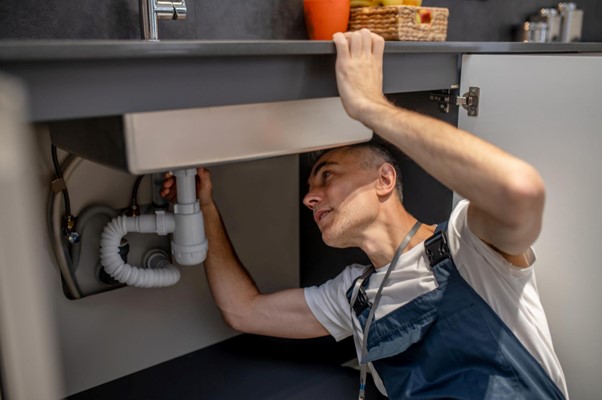
The Risks of Ignoring Minor Plumbing Issues
That small leak or slow drain might seem insignificant, but ignoring it is a false economy. Water damage can affect your home’s structure, promote mould growth, and lead to costly repairs down the track.
Minor issues rarely stay minor. A dripping tap wastes water and money while potentially causing damage to your fixtures. A slow drain becomes a complete blockage. Taking action early saves you money and hassle in the long run.
Hot Water System Care and Maintenance
Extending the Life of Your Hot Water Unit
Your hot water system is one of the hardest-working appliances in your home. Annual servicing helps maintain efficiency and extends its lifespan. This includes checking the pressure relief valve, inspecting the anode rod, and flushing sediment from the tank.
Keep the area around your hot water unit clear and well-ventilated. Check for any signs of rust, leaks, or unusual noises. These early indicators can help you address problems before your unit fails completely.
How Do You Know If Your Hot Water System Is Failing?
Inconsistent water temperature, strange noises, or rusty water are all signs your hot water system needs attention. If your unit is over ten years old and showing these symptoms, replacement might be more cost-effective than repair.
Protecting Your Outdoor Plumbing and Drainage
Keeping Tree Roots Away from Your Pipes
Plant trees and large shrubs well away from your sewer lines a minimum of three metres is recommended. If you have established trees near your pipes, consider having a plumber inspect them with a camera to check for root intrusion.
Maintaining Stormwater Drains
Clear leaves and debris from your stormwater grates regularly, especially during autumn. Blocked stormwater drains can cause flooding during heavy rain, potentially damaging your property and belongings.
Cost-Effective Prevention Strategies for Blackburn Homeowners
Prevention doesn’t have to break the bank. Simple habits like being mindful of what goes down your drains cost nothing but save thousands in potential repairs. Investing in quality fixtures and regular maintenance pays dividends over time.
Building a relationship with a local plumber in Blackburn means you have someone reliable to call when issues arise. Many plumbers offer maintenance packages that provide regular check-ups at reduced rates.
Conclusion: Invest in Prevention, Save on Repairs
Looking after your plumbing doesn’t require special skills or expensive equipment. It’s really about developing good habits, staying alert to warning signs, and knowing when to call in professional help. The small effort you put in now prevents major headaches later.
Your home’s plumbing system deserves the same attention you give to other important maintenance tasks. By following the tips we’ve covered from daily drain care to seasonal maintenance you’re protecting your property and your wallet. Most plumbing emergencies are entirely preventable with a bit of foresight.


