
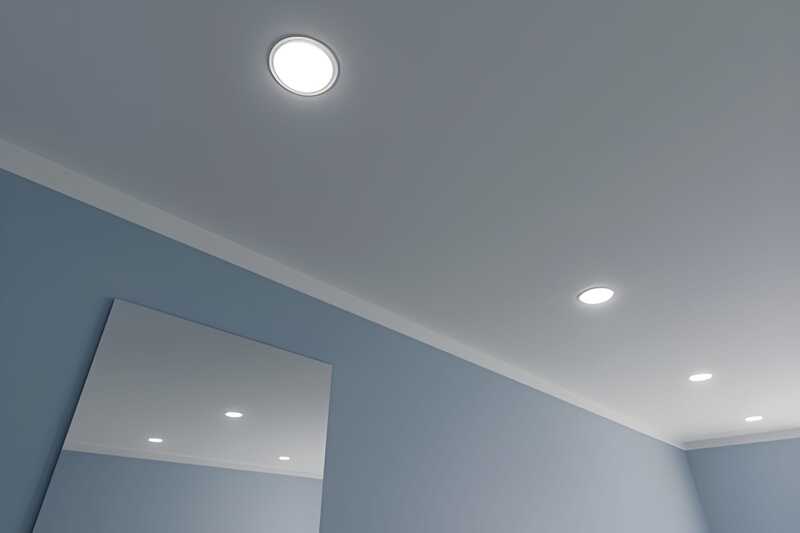
The architectural development of Australia has reached a point where environmental building design has become an essential element of contemporary construction. The industry seeks new sustainable methods which extend beyond solar panels and double glazing to develop essential approaches for our interior space construction in 2026. The movement shows its biggest transformation through the rising use of stretch ceiling Australia systems which architects use as their main instrument for sustainable design work.
Builders previously built ceilings using heavy materials like gypsum and plasterboard and timber which resulted in major waste during both their installation and demolition. A stretch ceiling Australia creates a completely new system which eliminates the traditional cycle of resource extraction through production until products become waste. The technology uses lightweight membranes which deliver high performance to create carbon-neutral interiors while preserving the modern Australian home and commercial building design style.
The Ecological Footprint of Stretch Ceiling Australia
Experts assess building material sustainability through their evaluation of material impact from its initial phase until its complete disposal. The analysis encompasses the entire process from raw material extraction to manufacturing energy consumption and transport emissions and the final assessment of recyclability. Stretch ceiling Australia outperforms traditional options in every single assessment category.
1. Resource Efficiency and Waste Reduction
Standard ceiling installations need heavy scaffolding and multiple paint applications and they require a large water quantity to create plaster. The installation of a stretch ceiling Australia system proceeds through a process that requires no liquid materials during its entire operation.
- The membranes are incredibly thin yet durable, using up to 20 times less raw material than traditional ceiling tiles or boards. The membranes are incredibly thin yet durable, using up to 20 times less raw material than traditional ceiling tiles or boards. The membranes use minimal material because they have thin design yet maintain strong durability.
- The custom manufacturing process for room-size panels creates zero construction waste because they design each panel according to room size. The custom manufacturing process for room-size panels creates zero construction waste because they design each panel according to room size.
2. Reduced Transport Emissions
The burden of building materials becomes an important environmental issue throughout Australia because of its extensive land area. The delivery process needs large amounts of fuel because heavy drywall pallets weigh considerable weight. A stretch ceiling Australia system becomes perfect for transportation because its lightweight design reduces carbon emissions throughout the entire movement of goods. A single truck can carry the equivalent of dozens of traditional ceilings, drastically reducing the “embodied energy” of the project before it even arrives on-site.
Energy Efficiency and the Modern Stretch Ceiling Australia
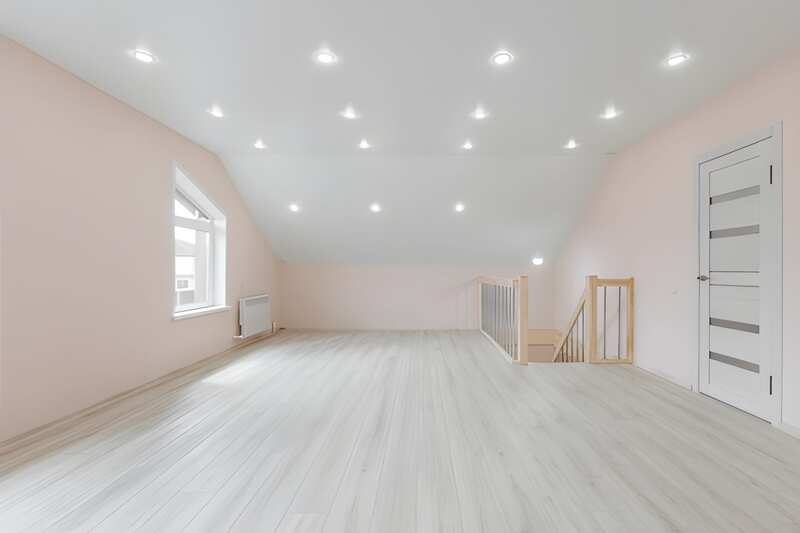
Sustainability extends beyond product development because it includes the entire duration of product usefulness. The indoor temperature control system represents the highest energy-consuming element for buildings throughout Australia which experiences the tropical Queensland climate and the dry Victorian climate.
3. Thermal Insulation and HVAC Optimization
The hidden benefit of stretch ceiling Australia systems creates an air space above the system which serves as an insulation barrier. The membrane installation via a few centimeters distance from the structural slab creates an area between the two surfaces which traps air. The system provides an energy-efficient solution which enables interior spaces to keep their temperature within comfortable levels during both winter and summer seasons. The system provides an energy-efficient solution which enables interior spaces to keep their temperature within comfortable levels during both winter and summer seasons.
The system provides an energy-efficient solution which enables interior spaces to keep their temperature within comfortable levels during both winter and summer seasons. The system provides an energy-efficient solution which enables interior spaces to keep their temperature within comfortable levels during both winter and summer seasons.
4. Enhancing Natural Light and Reflectivity
Lighting purposes consume a major portion of energy throughout buildings. Stretch ceiling Australia systems use their high-gloss and satin finish designs to achieve the best light-reflecting capabilities.
- The surfaces improve daylight distribution because they bounce natural light to deeper floor areas which decreases artificial lighting requirements during daytime hours. The surfaces improve daylight distribution because they bounce natural light to deeper floor areas which decreases artificial lighting requirements during daytime hours.
- The entire ceiling system becomes an extensive LED diffuser which uses low energy to achieve perfect lighting through its translucent membrane system. The entire ceiling system becomes an extensive LED diffuser which uses low energy to achieve perfect lighting through its translucent membrane system.
Health, Wellness, and Indoor Air Quality
A design becomes sustainable only when it protects all human health aspects. The VOC emissions of traditional building materials continue for many years after people install them, which causes “sick building syndrome” outbreaks.
5. Low-VOC and Non-Toxic Composition
The stretch ceiling Australia membranes function as low-VOC products, which do not contain dangerous phthalates or arsenic or cadmium. The indoor air quality remains pristine, which makes these products perfect for use in healthcare facilities and schools and environmentally sensitive residential projects.
6. Moisture Resistance and Mold Prevention
Mold growth occurs on porous plaster surfaces throughout coastal Australian areas because high humidity levels require constant repainting and chemical treatments. The stretch ceiling Australia system blocks moisture from entering its structure while remaining non-porous. The system creates a healthier living space because it blocks moisture from entering while fungi lack food sources to grow.
Contributing to Green Certifications in Australia
The commercial sector selects stretch ceiling Australia systems because developers want to achieve Green Star and LEED certification system requirements. The commercial sector selects stretch ceiling Australia systems because developers want to achieve Green Star and LEED certification system requirements.
7. Circular Economy and 100% Recyclability
Australia evaluates its material “end-of-life” procedures because it implements a circular economy system. All contemporary stretch membranes have the capability of being completely recycled. The building materials throughout its life cycle from construction to renovation work can be dismantled to produce new membranes and various industrial materials. The process keeps high-quality polymers from entering waste streams while decreasing the need to create new raw materials.
8. Acoustic Wellness and Sound Management
Sustainability requires “social sustainability” which develops spaces that enable people to work and sleep without being disturbed by sounds. A perforated stretch ceiling Australia serves as an effective sound absorber. Designers use acoustic backing materials to achieve echo and reverberation elimination which creates productivity spaces for open-plan offices and restful areas for high-end dining establishments.
Summary of Sustainable Features
The following list presents essential sustainable advantages of this technology which enables users to grasp its environmental effects:
- Life Cycle Longevity The systems operate beyond 20 years thus extending the time between required renovations.
- Water Conservation The product is created through a process that does not use water thus protecting an important resource for Australia.
- No Repainting Required The system removes all environmental expenses that come with paint production and transportation and VOC emissions.
- Demountable Design The system enables pipe and wiring access through its removal and reinstallation process which stops wasteful “smash and replace” practices.
- Fire Safety The system offers safety through its high fire ratings which typically range from Class B-s1 to d0 without needing dangerous fire-retardant coatings.
The Future: Biophilic Design and Australia’s Landscape
Australian sustainable design approaches now operate through biophilic design which creates indoor environments that replicate outdoor spaces. Advanced printing technologies enable stretch ceiling Australia systems to display Australian sky and forest and coastal scenes at high-definition resolution. The ceiling design achieves stress reduction and mental wellness enhancement through its backlit “living ceilings” which fulfill a requirement of the WELL Building Standard.
Biobased membranes which use organic polymers are becoming available to create environmentally friendly interior spaces which enhance architectural design elements. The world will decrease its dependence on petroleum-based plastics as these technologies progress to their final state.
Conclusion
The installation of stretch ceiling Australia systems brings about significant progress in construction standards for the local industry. The technology functions as a solution for modern Australian designers who need to improve waste management and energy performance and indoor environmental quality. The concept demonstrates that environmentally sustainable practices exist as a fundamental part of luxury design.
The ceilings that exist above us will function as an environmental safeguard which protects the planet until we reach our 2030 emissions targets and future periods. The selection of a stretch ceiling Australia establishes a pledge to develop buildings that possess the intelligence and durability of the natural environments surrounding them.


