
Have you ever looked up at your roof and wondered what’s really going on up there? When was the last time you thought about whether your roof could handle another wild Australian summer? And here’s the big one do you actually know the difference between what covers your home and what protects those massive warehouses down the road?
Your roof does far more than just keep the rain out. It’s your first line of defence against scorching heat, torrential downpours, and those unpredictable hailstorms that seem to pop up out of nowhere. Whether you’re a homeowner wanting to understand your property better or a business owner planning a new build, getting your head around roofing basics could save you thousands of dollars and countless headaches down the track.
In this guide, we’ll break down everything you need to know about residential and commercial roofing in Australia. You’ll discover the key differences between these two roofing types, explore the most popular materials available, and learn what to look for when something goes wrong. We’ll also cover costs, maintenance tips, and how to pick the right contractor for your project. By the end, you’ll have the knowledge to make smart roofing decisions with confidence.
What Is the Difference Between Residential and Commercial Roofing?
The differences between residential and commercial roofing go well beyond just size. Residential roofs typically feature steeper pitches, creating that classic triangular shape we all recognise. Commercial buildings, on the other hand, often sport flat or low-slope designs that serve practical purposes like housing HVAC systems and providing easy maintenance access.
Materials vary significantly between the two types as well. Home roofs commonly use tiles, metal sheeting, or Colorbond, while commercial properties lean towards single-ply membranes, built-up roofing systems, and metal decking. The structural demands are completely different too commercial roofs need to support heavy equipment and withstand foot traffic from maintenance crews.
Scale and complexity add another layer of distinction. A standard Australian home might have around 200 square metres of roofing, whereas a commercial warehouse could easily stretch into thousands. This means commercial projects require specialised equipment, larger crews, and more intricate drainage systems. The installation timeline reflects this what takes a few days for a house might stretch into weeks for a commercial building.
Common Residential Roofing Options
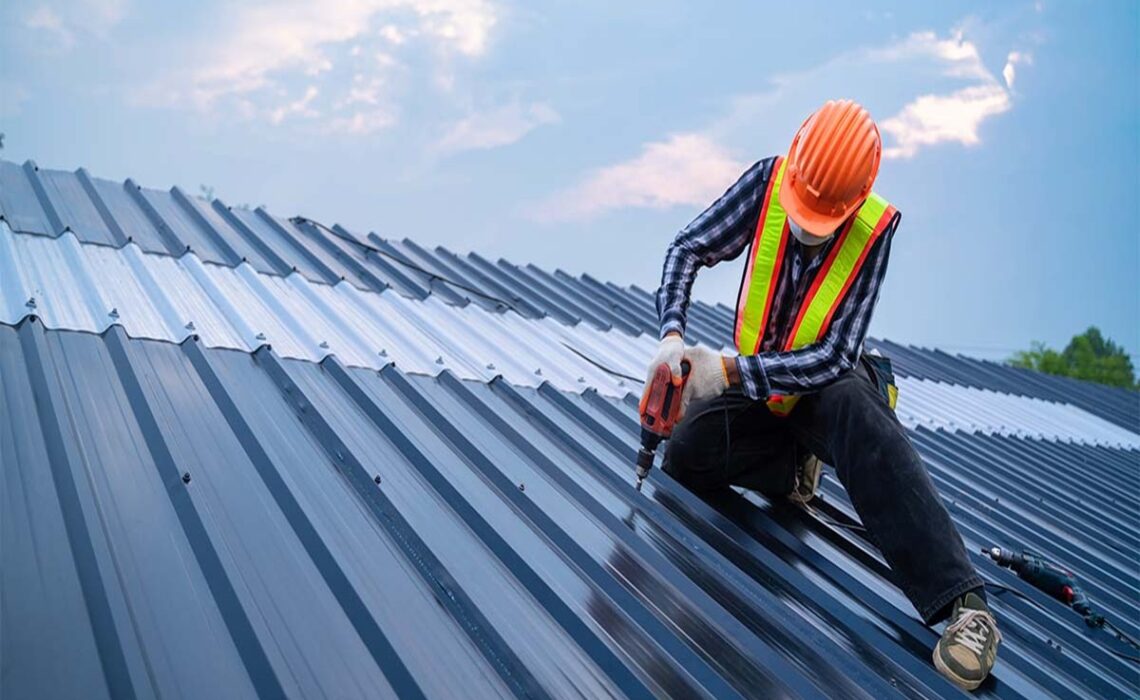
Australian homeowners have several excellent choices when it comes to roofing materials. Metal roofing remains the go-to option across the country, offering durability that handles our harsh climate brilliantly. It’s lightweight, fire-resistant, and can last upwards of 50 years with proper care.
Tile roofing both concrete and terracotta brings a timeless aesthetic that many Australians love. Concrete tiles offer affordability and versatility in colours and profiles, while terracotta delivers that classic Mediterranean look with exceptional longevity. Both handle heat well, though they’re heavier and require stronger structural support.
Colorbond has become something of an Australian icon. This pre-painted steel product comes in a rainbow of colours designed specifically for our conditions. It reflects heat, resists corrosion, and looks smart for decades. Asphalt shingles, while popular overseas, haven’t quite caught on here. They’re affordable upfront but struggle with our intense UV exposure and don’t last as long as metal alternatives in Australian conditions.
Commercial Roofing Systems Explained
Commercial buildings demand roofing solutions that address unique challenges. Flat roofing dominates the commercial sector because it maximises usable interior space and provides platforms for equipment installation. These low slope systems require careful waterproofing and drainage planning.
Metal deck roofing suits large-span buildings like factories and distribution centres perfectly. The corrugated design provides strength without excessive weight, and installation happens relatively quickly compared to other commercial options. Single ply membrane systems including TPO and EPDM offer flexible, waterproof solutions that adapt to building movement and temperature changes.
Built-up roofing, often called BUR, layers multiple sheets of bitumen and reinforcing fabrics to create a super-tough surface. It’s been around for over a century and remains popular for its proven track record. While installation takes longer and costs more, BUR delivers exceptional protection for buildings that need to last generations.
How Long Does a Roof Last?
Understanding roof lifespan helps you plan ahead and budget appropriately. Metal roofs typically last 40-70 years, making them a fantastic long-term investment. Tile roofs can exceed 50 years, with terracotta often outlasting concrete by a decade or more. Colorbond sits comfortably in the 50-year range when maintained properly.
Commercial roof lifespans vary depending on the system chosen. Single-ply membranes generally last 20-30 years, while built-up roofing can push past 30 years with diligent maintenance. Metal deck roofing often matches residential metal in longevity, reaching 40-50 years under good conditions.
Several factors influence how long any roof actually lasts:
- Quality of initial installation
- Local climate conditions
- Maintenance frequency
- Exposure to environmental hazards
- Ventilation and insulation quality
Neglecting regular inspections can slash years off your roof’s life, regardless of the material chosen.
Signs You Need a Roof Replacement
Homeowners should keep an eye out for several warning signs. Water stains on ceilings or walls suggest leaks that might indicate widespread damage. Missing or cracked tiles need attention before they become bigger problems. Sagging sections point to structural issues that require immediate professional assessment.
Commercial property managers should watch for ponding water that doesn’t drain within 48 hours, bubbling or blistering on membrane surfaces, and visible deterioration around flashings and penetrations. Energy bills that suddenly spike might indicate compromised insulation beneath the roof surface.
Can you repair instead of replacing? Sometimes, yes. Localised damage often responds well to targeted repairs, saving significant money. However, if your roof has reached 80% of its expected lifespan or shows widespread issues, replacement usually makes more financial sense than endless patching.
How Do I Choose the Right Roofing Contractor?
Picking the right contractor prevents headaches and protects your investment. Start by asking these essential questions:
- How long have you been working in the roofing industry?
- Can you provide references from similar projects?
- What warranty do you offer on workmanship?
- Are you licensed and fully insured?
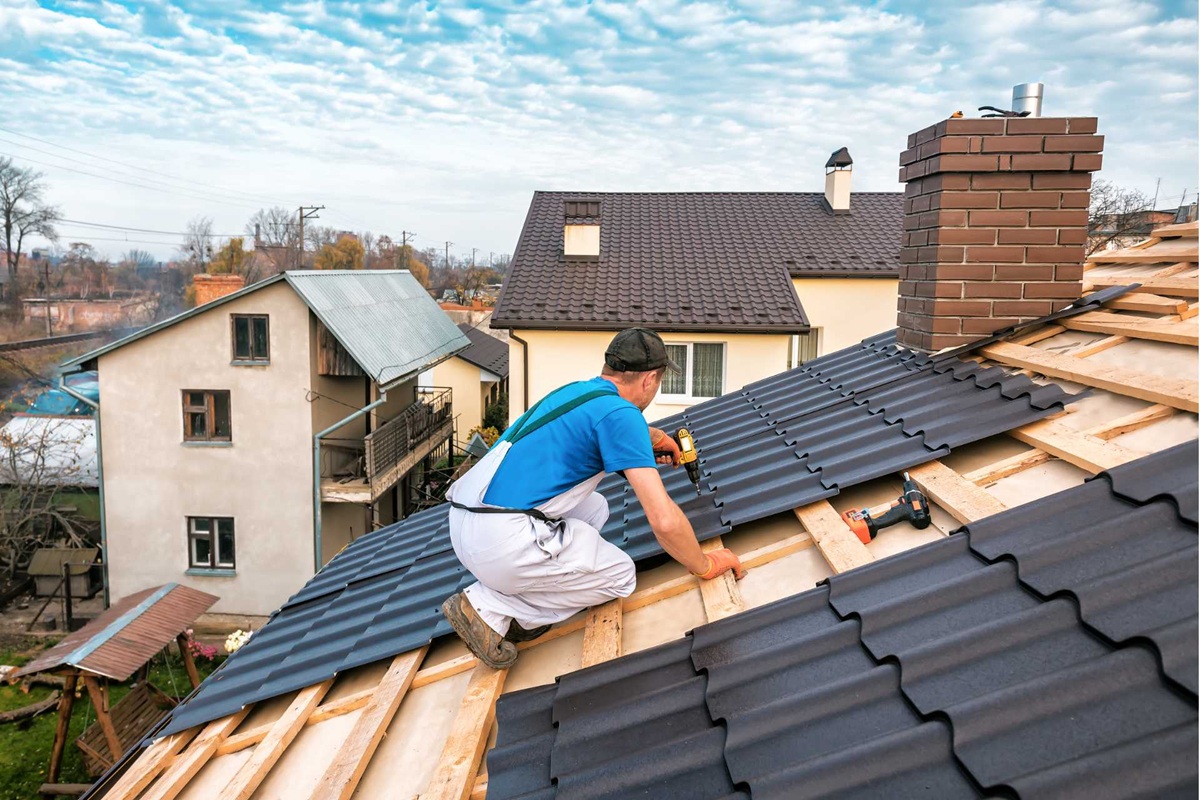
In Australia, roofing contractors need appropriate licences that vary by state. Check your state’s fair trading or building authority website to verify credentials. Insurance should cover both public liability and workers’ compensation ask for certificates, not just verbal confirmation.
Red flags to avoid include contractors who demand large upfront payments, those unwilling to provide written quotes, and anyone pressuring you to decide immediately. Quality contractors welcome questions and happily explain their processes. If something feels off, trust your instincts and keep looking.
Residential vs Commercial Roofing Maintenance
Homeowners can handle basic maintenance themselves. Clear gutters seasonally, trim overhanging branches, and visually inspect after storms. Check for loose tiles, rust spots on metal, or any signs of moss and lichen growth that can trap moisture.
Commercial properties benefit from professional maintenance schedules. Quarterly inspections catch small issues before they escalate. Maintenance crews should clear drains, check membrane seams, inspect flashings, and document any changes since the last visit.
What Roofing Material Is Best for Australian Weather?
Our unique climate demands careful material selection. For bushfire-prone areas, look for materials with a Bushfire Attack Level (BAL) rating appropriate to your zone. Metal roofing and concrete tiles perform well, while some timber and synthetic options won’t meet requirements in high-risk zones.
Cyclone and storm resistance matters across northern Australia. Metal roofing with appropriate fixing systems handles high winds effectively when installed correctly. Tiles can become projectiles in extreme events, so proper bedding and pointing prove essential.
Energy efficiency shouldn’t be overlooked either. Light-coloured roofing reflects heat, reducing cooling costs significantly. Proper insulation beneath any roofing material makes a huge difference to year-round comfort and energy bills.
Making the Right Roofing Decision
Choosing between roofing options doesn’t need to feel overwhelming. Whether you’re protecting your family home or managing a commercial property, understanding the basics puts you in a stronger position. You now know the key differences between residential and commercial systems, what materials suit our Australian conditions, and what warning signs demand attention.
The most important takeaway? Don’t wait until problems become emergencies. Regular maintenance and timely repairs extend your roof’s life and protect everything underneath it. When replacement time comes, invest in quality materials and qualified contractors your future self will thank you.
Take a moment this weekend to step outside and really look at your roof. Check those gutters, scan for obvious damage, and consider when you last had a professional inspection. Your roof works hard every single day, quietly shielding you from whatever the Australian weather throws at it. Give it the attention it deserves, and it’ll keep doing its job for decades to come.


