
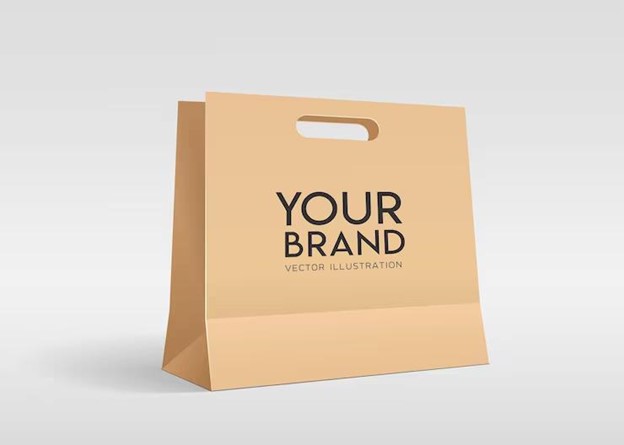
Choosing the right printed paper bags can transform ordinary packaging into a brand asset. This guide breaks down how materials, structure, finishes, and smart design decisions shape durability and visual appeal. Learn what matters most so your bag not only carries products but strengthens your business identity.
Some packaging captures attention instantly. It feels good in the hand, looks well-crafted, and communicates a clear sense of identity. Printed paper bags belong to that category when they are thoughtfully created. Whether you want a stylish retail bag or a functional everyday carrier, the material and design choices you make will determine how customers remember your brand.
Different from other packaging options, printed paper bags offer a blend of eco-friendliness and style without breaking the bank. Their rising popularity means businesses now need to think carefully about the type of paper, printing approach, handles, and finishes. Let’s explore how these elements influence performance and presentation so you can choose confidently.
A Closer Look at Paper Options
Instead of viewing paper as a single material, think of it as a spectrum of strengths and textures. Each type serves a different purpose.
Kraft Paper: Known for Its Strength
Kraft paper has a natural brown appearance and impressive durability. Because the fibres remain long during processing, the final sheet becomes tough enough to support heavier items. It works well for brands that prefer a clean, organic aesthetic.
Coated Paper: Ideal for Vibrant Prints
A coated surface adds smoothness and enhances print clarity. Whether matte or glossy, coating ensures colours appear crisp and sharp. This is useful when your printed paper bags must showcase detailed artwork, bold logos, or precise colours.
Recycled and Eco-Focused Papers
Recycled paper is widely chosen for its environmental advantages. Modern recycled sheets are strong and consistent, giving brands a sustainable way to create attractive packaging without compromising visual impact.
Design Features That Shape Customer Experience
Material sets the foundation, but design influences how customers feel when they carry or receive the bag.
Colour & Layout
Colour communicates emotion. Soft tones feel calm and sophisticated, while high-contrast designs appear bold and energetic. CMYK printing allows multi-colour imagery, while spot colours ensure accuracy for branding elements.
Handles That Match the Purpose
Handle choice determines comfort and durability. Options include:
- Twisted paper handles for a recyclable finish
- Rope handles for a premium feel
- Flat handles for everyday practicality
Consider weight, aesthetics, and usability before choosing.
Finishes That Add Character
Finishes aren’t purely decorative—they protect the paper and elevate the design. Techniques include:
- Matte lamination for a soft surface
- Gloss lamination to boost shine
- Foil accents for metallic details
- Embossing to add texture
Each finish changes how customers perceive the product even before they open the bag.
Structural Considerations: Shape, Size, and Stability
The ideal bag must not only look good but function seamlessly. Structure plays a large role in whether it performs well.
A wide base supports larger items and prevents tipping. A narrow shape suits bottles or tall products. Reinforced tops and bottoms reduce tearing and keep the bag stable, especially when weight is uneven. These structural reinforcements enhance longevity and build user trust.
Smart Tips for Making the Right Choice
Here are practical guidelines to help you decide on material and design without overcomplicating the process:
- Think about what the bag will carry—weight determines paper thickness.
- Choose handles based on comfort, not just style.
- Select finishes intentionally; sometimes a natural, uncoated surface makes a stronger impression.
- Confirm colour output with print proofs to avoid surprises.
- Assess whether sustainability is a brand priority and choose recycled or certified paper accordingly.
Why Material and Design Should Work Together
Great packaging works because form and function complement each other. Beautiful artwork will not matter if the bag tears easily. Likewise, strong material loses impact if the design feels dull. The most effective printed paper bags combine strength, clarity, and visual storytelling.
As businesses lean toward eco-friendly solutions, paper bags are becoming a signature item rather than disposable packaging. They serve as moving advertisements, brand ambassadors, and reusable accessories. When chosen wisely, they subtly reshape how customers interact with your products.
Wrapping It Up
Printed paper bags offer a unique blend of practicality, beauty, and environmental responsibility. By understanding the differences between paper types, considering the purpose of each structural element, and making deliberate design choices, you can create packaging that reflects your brand with confidence. High-quality materials ensure durability, while thoughtful finishes enhance visual appeal and customer satisfaction. The goal is not just to carry items but to create a lasting impression every time the bag is used. Now is an ideal moment to review your brand’s packaging approach and explore how smarter material and design decisions can elevate your presence in a competitive market.


