
Have you ever wondered what lurks beneath the surface of your dream home? What if that gorgeous property you’ve fallen in love with is hiding termite damage, structural cracks, or rising damp? These aren’t just hypothetical concerns—they’re real issues that catch Australian buyers off guard every single day.
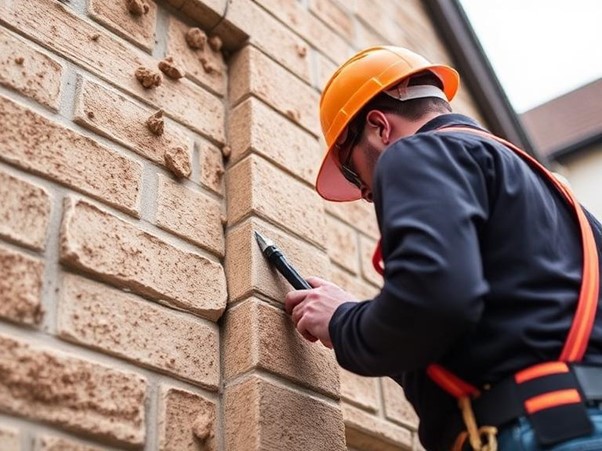
A building and pest inspection is your safety net when purchasing property. It’s a thorough examination conducted by qualified professionals who assess the structural integrity of a building while also checking for pest activity, particularly termites. Think of it as a health check for your potential new home. The inspector examines everything from the roof to the foundations, looking for defects, damage, and any nasty surprises that could cost you thousands down the track.
Skipping a pre-purchase inspection might seem like a way to save a few hundred dollars, but the true cost can be devastating. We’ve seen buyers inherit termite-infested properties requiring $50,000 in repairs, or homes with structural issues that made them virtually unliveable. In this guide, you’ll discover when you need an inspection, what it covers, how to choose the right inspector, and what to do if problems are found. Plus, we’ll break down the costs and help you understand your inspection report like a pro.
When Do You Need a Building and Pest Inspection?
The most common time for a building and pest inspection is before buying a property. Whether you’re a first-home buyer or a seasoned investor, this step is absolutely vital. Most property contracts in Australia include a clause allowing you to arrange an inspection within a set timeframe—usually five to seven business days after signing.
But buyers aren’t the only ones who benefit. Pre-sale inspections are becoming increasingly popular among vendors. By identifying issues beforehand, sellers can either fix problems or price their property accordingly. This transparency often speeds up the sale process and reduces the chance of negotiations falling through at the last minute.
Homeowners should also consider routine inspections, even if they’re not planning to sell. How often should you get a building and pest inspection? Experts recommend annual pest inspections, particularly in termite-prone areas like Queensland and northern New South Wales. Building inspections every few years can help you catch maintenance issues before they become major headaches.
What Does a Building and Pest Inspection Cover?
A structural assessment forms the backbone of any building inspection. The inspector examines the property’s framework, checking for signs of movement, deterioration, or substandard construction. They’ll look at load-bearing walls, beams, and supports to ensure everything is sound.
Common defects inspectors look for include cracking in walls and ceilings, moisture damage, faulty plumbing, electrical issues, and roofing problems. They’ll also assess safety hazards like missing balustrades, asbestos-containing materials, and inadequate smoke alarms. On the pest side, inspectors check for termite activity, borers, and other wood-destroying insects. They use specialised equipment like moisture meters and thermal imaging cameras to detect hidden infestations.
Areas of the property included in the inspection typically cover:
- Interior rooms, including walls, floors, and ceilings
- Exterior walls and cladding
- Roof space and roof exterior
- Subfloor areas (where accessible)
- Garage and outbuildings
- Fencing and retaining walls
- Drainage and guttering systems
Keep in mind that inspectors can only assess visible and accessible areas. They won’t move furniture, lift carpets, or break through walls.
How to Choose the Right Building and Pest Inspector
Qualifications and licensing requirements vary across Australian states, so it’s worth checking what applies in your area. In Queensland, for instance, building inspectors must hold a builder’s licence, while pest inspectors need specific pest management qualifications. Always verify that your chosen inspector carries professional indemnity insurance—this protects you if something goes wrong.
Before hiring an inspector, ask these key questions:
- What qualifications and experience do you have?
- Are you fully insured?
- What does your inspection include?
- How long will the inspection take?
- When will I receive the report?
- Can I attend the inspection?
Are building and pest inspections worth it? Absolutely. For a few hundred dollars, you’re gaining peace of mind and potentially saving yourself from a financial disaster. The inspection fee is tiny compared to the cost of major repairs.
Watch out for red flags when selecting an inspector. Be wary of anyone offering suspiciously cheap rates, refusing to provide sample reports, or unable to verify their credentials. Real estate agent recommendations can be helpful but remember that independent inspectors may offer more unbiased assessments.
Understanding Your Building and Pest Inspection Report
Learning how to read a building inspection report is essential for making informed decisions. Reports typically include photographs, descriptions of defects, and recommendations for further investigation or repairs. They’re usually organised by area of the property, making it easy to locate specific concerns.
A pest inspection report includes details about any pest activity found, conditions conducive to infestation, and recommendations for treatment or prevention. You’ll see information about moisture readings, evidence of termites, and areas that couldn’t be accessed during the inspection.
Understanding the difference between major defects and minor defects is crucial. Major defects are serious issues affecting the structural integrity or safety of the building—think significant foundation cracking, severe termite damage, or major roof failures. Minor defects are less serious problems like cracked tiles, minor paint deterioration, or sticking doors. While minor defects still need attention, they’re typically maintenance issues rather than deal-breakers.
Can you negotiate after a building and pest inspection? You certainly can. Many buyers use inspection findings to request repairs, seek a price reduction, or negotiate other terms. Your report provides evidence to support your negotiating position.
Common Issues Found During Inspections
Termite damage and activity rank among the most concerning findings in Australian property inspections. These silent destroyers cause billions of dollars in damage annually, and homeowners often don’t realise there’s a problem until significant damage has occurred. Inspectors look for mud tubes, damaged timber, and conditions that attract termites.
Rising damp and moisture problems are another frequent discovery. Signs include salt deposits on walls, peeling paint, musty odours, and visible mould. Left untreated, moisture issues can lead to structural damage and health problems for occupants.
Structural cracking and foundation concerns vary in severity. Hairline cracks are often just cosmetic, but wide or stepped cracks may indicate foundation movement requiring engineering assessment. Inspectors assess crack patterns to determine likely causes and recommend appropriate action.
Roof and drainage defects round out the most common issues. Broken tiles, deteriorated flashing, blocked gutters, and inadequate drainage can all lead to water ingress and subsequent damage. These problems are often relatively straightforward to fix but can cause significant damage if ignored.
How Much Does a Building and Pest Inspection Cost?
Average prices across Australian states range from $300 to $700 for a combined building and pest inspection. Sydney and Melbourne typically sit at the higher end, while regional areas may be more affordable. Larger properties and those with additional structures naturally cost more to inspect.
Factors that affect inspection costs include:
- Property size and type
- Location and accessibility
- Age of the building
- Additional structures like granny flats or sheds
- Urgency of the inspection
Is a combined building and pest inspection cheaper? Generally, yes. Booking both services together typically costs less than arranging them separately, and it’s more convenient too. Most inspection companies offer package deals that provide excellent value.
What Happens If the Inspection Reveals Problems?
As a buyer, you have several options when problems are uncovered. You might proceed with the purchase as-is, particularly if issues are minor or you’ve factored repairs into your budget. Alternatively, you can request that the seller fix problems before settlement or negotiate a price reduction to cover repair costs.
Requesting repairs or price reductions works best when you have clear evidence from your inspection report. Obtain quotes for repairs and present these to the vendor or their agent. Be reasonable in your expectations—sellers aren’t obligated to agree, and negotiations work best when both parties feel they’re getting a fair deal.
When should you walk away from a property? Major structural issues, extensive termite damage, or problems that would cost more to fix than the property is worth are all valid reasons to reconsider. Your inspection report might also reveal that obtaining building insurance would be difficult or expensive.
Preparing Your Property for a Building and Pest Inspection
If you’re selling, preparing your property helps inspections run smoothly. Clear access to roof spaces, subfloor areas, and electrical boards. Trim vegetation away from the building and ensure all areas are accessible. Fix obvious minor issues beforehand—dripping taps and sticking doors are easy to address and create a better impression.
Ensuring access for inspectors is straightforward but important. Unlock gates, sheds, and any secured areas. Move stored items away from walls in garages and storage areas. If you have pets, make arrangements to keep them secure during the inspection.
Protecting Your Investment Through Smart Inspection Strategies
Building and pest inspections represent one of the smartest investments you can make when buying property. If you are arranging a building and pest inspection in Fraser Rise, a professional inspection gives you invaluable insight into the true condition of a home and helps protect you from potentially costly surprises later.
The key takeaways are clear: always arrange an inspection before purchasing, choose qualified and insured professionals, attend the inspection if possible, and read your report carefully. Don’t be afraid to ask questions or seek clarification on anything you don’t understand. If issues are identified, use this information to decide whether to proceed, negotiate, or walk away.
Whether you’re a first-time buyer, a seasoned investor, or a homeowner wanting to stay on top of maintenance, regular building and pest inspections are well worth the cost. Take the time to find a reputable inspector, understand what’s included, and act on the recommendations in your report. Your future self—and your bank balance—will thank you for it.


