
For facility managers and property owners in Victoria, the roof is not only a roof but also a high-risk workplace, from air conditioning technicians servicing the HVAC units to cleaners clearing box gutters: all depend on installed safety systems with which to carry out their functions without injury. Mere presence of a safety anchor, however, does not guarantee protection. This makes the strict rigor of Anchor point compliance compliance Melbourne a non-negotiable aspect of building management.
Ensuring that height safety systems are legally compliant and structurally sound is a complex responsibility managed through Australia Standards and the Victorian Occupational Health and Safety (OH&S) laws. This guide looks at the technical, legal, and practical parameters in maintaining these critical safety assets in an urban environment characterized by high-density construction and aging infrastructure, presenting unique challenges therein.
The Critical Role of Anchor Point Compliance Melbourne
An anchor point is the fundamental “tie-off” location for a worker using a fall arrest or rope access system. When this single point of failure gives way, it is catastrophic. Anchoring point compliance Melbourne is the process of verifying that these devices can withstand the immense forces generated during a fall–typically rated to hold 15kN (approximately 1.5 tonnes) for a single-person system.
Melbourne is subjected to its share of extreme weather conditions, be it blistering summer heat or freezing winter mornings, or salt-laden winds coming in from the bay. All these elements help accelerate corrosion and degradation of the substrate (the roof sheet, concrete, or timber) to which the anchor is affixed. A thorough compliance regime ensures that the anchor is not only “there,” but fit for purpose and ready to save a life at a moment’s notice.
Legal Obligations Surrounding Anchor Point Compliance Melbourne
In Victoria, it imposes heavy duty of care on Person Conducting a Business or Undertaking (PCBU) as well as under the said building owner. This calls for legal compliance under the Occupational Health and Safety Regulations 2017, which requires, as far as is reasonable practicable, the elimination of risk, or where that is not possible, minimization of risks associated with working at height.
Due diligence is best evidenced by achieving Anchor point compliance Melbourne. The primary standard to follow is AS/NZS 1891.4: Industrial fall-arrest systems and devices – Selection, use and maintenance. Among other things, it attests to the fact that all permanently installed anchor points must be inspected and recertified at least every 12 months by a competent person.
Failure to comply with such keeps the door open for penalties from WorkSafe Victoria, while at the same time exposing a property owner to a possible lawsuit in case an accident occurs. If a contractor falls from a non-compliant system, the liability often goes with building management because of the fact that unsafeguarded equipment was provided.
The Inspection Process for Anchor Point Compliance Melbourne
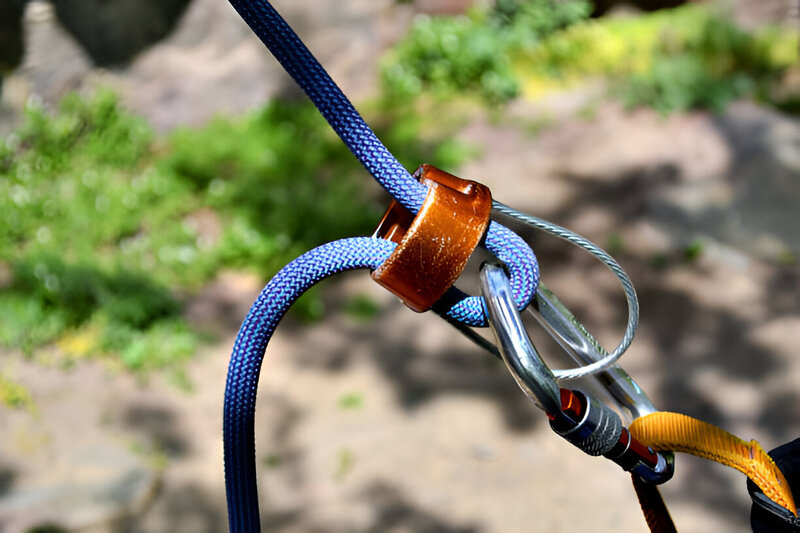
A professional compliance audit is rigorous, going far beyond just an eye-ball check of the roof. When engaging a specialist in Anchor point compliance Melbourne, expect some multi-stage tests to validate the integrity of the entire system.
- Visual Inspection: The auditor checks for physical damage, corrosion, and correct installation; they ensure that the anchor is unobstructed from new plant equipment or debris.
- Structural Assessment: The technician examines the “substrate”-the material on which the anchor is anchored. A perfect anchor bolted to a rusted roof sheet or crumbling concrete is a death trap.
- Load Testing: For certain types of anchors-in particular, chemical or friction-fixed anchors in concrete, a physical “pull test” may be required to prove holding capacity.
- Tagging and Signage: A compliant anchor should be clearly labeled with a weatherproof tag denoting the last inspection date together with the next due date. If the tag is missing or impossible to read, then the anchor will technically be noncompliant.
Why Annual Recertification is Vital for Anchor Point Compliance Melbourne
Most owners of buildings have the misconception that the installation of a safe system means it can last for a lifetime; however, this is a dangerous assumption. Height safety system certification is only valid for a year. To keep the Anchor point in compliance with Melbourne, audit should be scheduled every 12 months.
This annual cycle is critical because roof conditions change. A storm may loosen flashing; a previous contractor may have put undue pressure on the system without reporting it; or a new waterproofing layer may have covered essential fixings. The recertification resets the clock, allowing the facility manager to possess a fresh compliance certificate and detailed logbook. Such documentation is often the first item asked for by insurance auditors or safety inspectors entering a site.
Understanding Different Anchor Types
Since these kinds of equipment differ slightly from one another, compliance protocols will also vary slightly. But a general compliance Anchor point compliance Melbourne will cover almost every possible variation found on commercial roofs:
- Surface Mounted Anchors: Riveted directly onto the metal roof sheet itself. Compliance checks are done on the rivets and the sheets themselves for rust.
- Purlin Mounted Anchors: These are bolted through the roof into the steel structure below. An inspector would look at the integrity of the seal for leaks due to water rusting the hidden structural steel.
- Concrete/Chemical Anchors: This is the anchors found typically on plant decks or concrete rooftops. These anchors will be put under strict checks and will go through occasional pull-testing for the torque setting, ensuring its chemical bond has not degraded over time.
Documentation: The Backbone of Safety
If one cannot prove the checking, there is no way to prove safety. It is a very big part in Anchor point compliance Melbourne. Professional services provide one either digital or hardcopy dossier such as:
- Asset Register: A list of every anchor on the roof, often mapped via GPS or roof plan.
- Condition Report: Photos of each anchor, highlighting passes, failures, or areas requiring maintenance.
- Certificate of Compliance: A formal document stating the system meets AS/NZS standards for the next 12 months.
This “safety file” ought to be at the entrance of the building or accessible electronically by any contractor wanting to access the roof. It is their “green light” to proceed with work safely.
Conclusion
In the high-stakes world of commercial property management, safety cutting corners becomes a false economy. Regular inspections incur a fraction of the cost associated with human and financial injury when someone falls. By emphasizing strict Anchor point compliance Melbourne, you are not only ticking a box in the legislation; you are instilling a safety culture within the organization such that safety benefits are extended to workers, liabilities are minimized, and the asset’s value is preserved.
Whether stewards of a solitary warehouse or a portfolio of high-rises in the CBD, the standard is constant: Inspect annually, repair immediately, and document everything. Partner with a certified height safety specialist to navigate the complexities of the regulations and ensure that every person who steps onto your roof returns home safely at the end of the day.


