
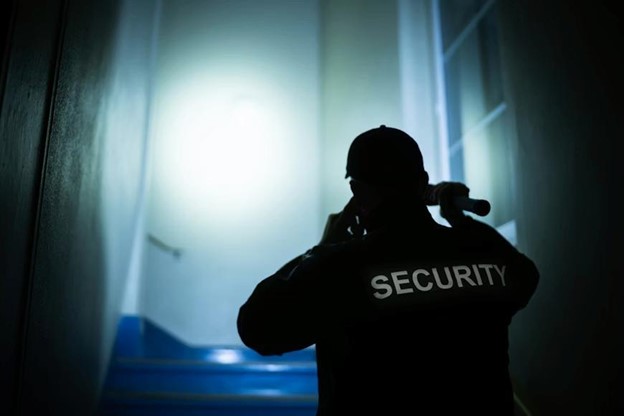
Corporate security guards are the silent force behind safe workplaces, ensuring that employees, assets, and operations remain protected at all times. Their role blends vigilance, quick decision-making, and a strong sense of responsibility—far more dynamic than it may appear at first glance. Take a closer look at what their day involves, the challenges they handle, and the skills that set exceptional guards apart.
Modern businesses rely on structured security systems to protect their staff, assets, and sensitive information. A corporate security guard is often the first line of defence in maintaining safety within office buildings, corporate campuses, and commercial facilities. Their presence not only deters potential threats but also creates a sense of order and professionalism within the workplace environment.
Security personnel are responsible for maintaining a secure atmosphere while supporting daily business operations. Their role combines observation, communication, and procedural discipline. Rather than reacting only to incidents, professional guards focus heavily on prevention. By monitoring behaviour, identifying irregular activity, and maintaining controlled access points, they help ensure that corporate facilities remain safe and functional throughout the working day.
Monitoring Entrances and Managing Access
One of the most visible responsibilities in corporate security involves controlling access to buildings and restricted areas. Security guards monitor entrances to ensure that only authorised employees, visitors, and contractors are permitted inside.
Access management usually includes verifying identification badges, recording visitor details, and ensuring guests follow company procedures. This structured entry system protects confidential workspaces and prevents unauthorised individuals from entering sensitive areas.
A well-managed entry point also improves workplace organisation. When visitors are guided properly and employees follow consistent access procedures, businesses maintain both security and efficiency. Clear communication and professionalism are essential during these interactions because the guard often represents the first point of contact for anyone entering the building.
Conducting Routine Security Patrols
Regular patrols form a core part of daily security operations. Guards inspect different areas of the facility to confirm that everything remains secure and operating as expected.
These patrols typically involve checking doors, monitoring equipment, observing workplace conditions, and identifying potential safety hazards. Even small issues such as unlocked entrances, unusual activity, or damaged infrastructure can create vulnerabilities if not addressed quickly.
Consistent patrol routines help detect concerns before they escalate. By maintaining visibility throughout the building, security staff also reinforce a protective presence that discourages disruptive behaviour or unauthorised access.
Monitoring Surveillance and Security Systems
Corporate environments rely heavily on technology to support physical security. CCTV cameras, alarm systems, and monitoring software provide valuable information about activity within the building.
A corporate security guard regularly observes surveillance screens and system alerts to detect unusual behaviour or potential threats. Monitoring these systems requires strong attention to detail because subtle patterns or irregular movement may indicate a developing security concern.
Security staff must also understand how to respond to system notifications. This may include checking a specific location, notifying supervisors, or following established emergency procedures. When technology and human oversight work together, organisations gain a stronger and more reliable security framework.
Responding to Incidents and Emergencies
Although prevention is the primary focus of corporate security, guards must also be prepared to respond when incidents occur. This includes situations such as safety alerts, disturbances, suspicious activity, or emergency evacuations.
Professional security personnel follow structured protocols designed to manage incidents calmly and efficiently. Their role may involve coordinating with building management, guiding occupants during emergency procedures, and communicating with appropriate response services if necessary.
Preparedness is essential in this role. Guards are trained to remain composed, observe situations carefully, and follow established response procedures. This disciplined approach helps ensure that problems are addressed quickly while maintaining the safety of everyone in the facility.
Maintaining Detailed Security Reports
Documentation is another key responsibility in corporate security work. Guards record observations, incidents, patrol results, and access activities throughout their shifts. These reports provide a valuable record of events and help organisations maintain accountability within their security operations.
Accurate documentation allows security managers to identify patterns, review procedures, and improve future planning. It also ensures that any concerns are properly communicated to management or the next shift.
Clear and structured reporting reflects professionalism within the security team. Even routine observations are recorded because small details can sometimes reveal larger operational trends when reviewed over time.
Communication and Professional Conduct
Strong communication skills are essential for effective security operations. Guards interact with employees, visitors, facility managers, and emergency personnel throughout their workday.
Professional communication helps maintain a calm and respectful environment. Security staff must be able to provide directions, explain policies, and handle enquiries in a clear and courteous manner.
Professional conduct also reinforces trust within the workplace. Employees often feel more comfortable knowing trained personnel are present to assist with safety concerns. Maintaining a confident yet approachable presence helps security guards fulfil both protective and supportive roles within the corporate environment.
Conclusion
Corporate security is far more complex than many people assume. The role requires attention to detail, strong communication, and a structured approach to monitoring and prevention. From managing building access to monitoring surveillance systems and documenting daily activity, each responsibility contributes to maintaining a safe and organised workplace environment.
A skilled corporate security guard plays a critical role in protecting business operations while ensuring employees and visitors feel secure within the facility. By maintaining consistent patrol routines, observing security systems, and following professional procedures, guards help organisations reduce risk and maintain operational stability. Their presence supports both safety and efficiency, making corporate security an essential component of modern workplace management.


