
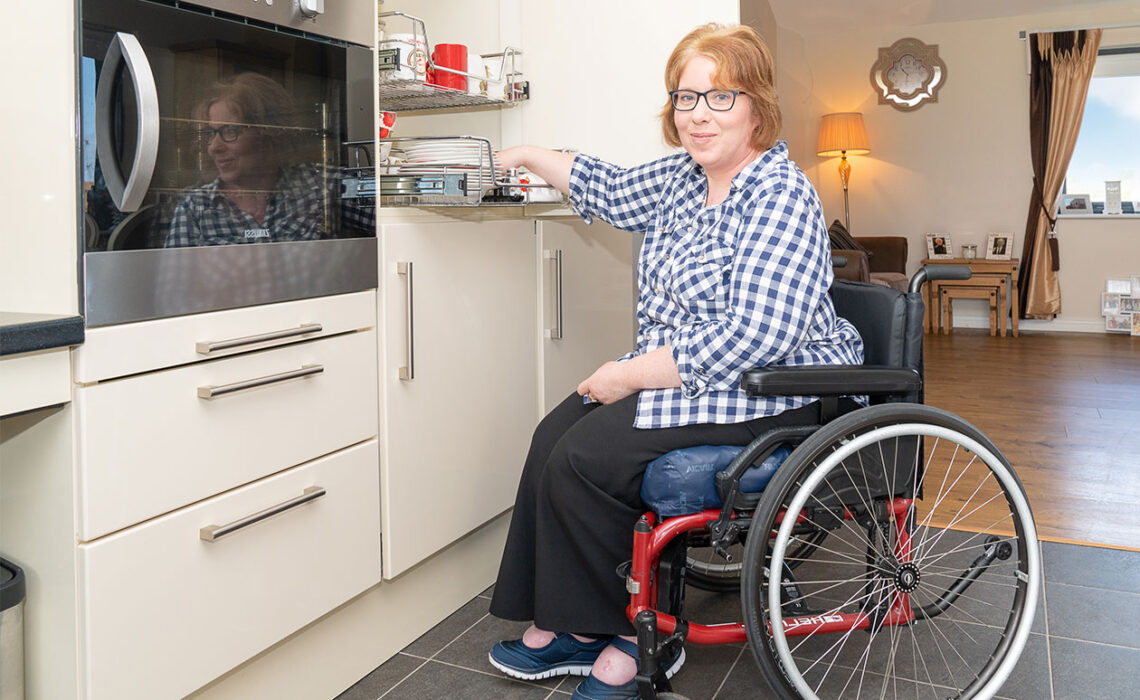
Finding safe and accessible housing is one of the most important needs for individuals living with disabilities. Disability housing vacancies provide opportunities for people with disabilities to access homes that are designed or modified to support their daily living requirements. These housing options are created to improve comfort, safety, and independence while ensuring residents have access to the support they may need.
For many individuals and families, understanding how disability housing vacancies work can make the process of finding suitable accommodation much easier. These housing opportunities are often part of programs designed to provide accessible living environments for people with mobility challenges, physical impairments, or other disabilities.
Learning about disability housing vacancies, how they become available, and how to apply for them can help individuals secure a living space that supports their lifestyle and well-being.
What Are Disability Housing Vacancies?
Disability housing vacancies refer to available residential units that are designed or allocated specifically for individuals living with disabilities. These homes are built or modified to include accessibility features that make everyday activities easier and safer.
Unlike standard housing, disability-friendly homes may include wider doorways, step-free entrances, accessible bathrooms, and features that accommodate mobility aids such as wheelchairs or walkers. These homes are designed to remove physical barriers and support independent living.
When a resident moves out or a new property becomes available, it is listed as a disability housing vacancy. These vacancies may be managed by housing providers, community organizations, or specialist accommodation agencies that support people with disabilities.
Why Accessible Housing Is Essential
Accessible housing plays a crucial role in improving the quality of life for individuals with disabilities. Many standard homes are not designed with accessibility in mind, which can make everyday tasks difficult or unsafe for people with mobility challenges.
Disability housing addresses these issues by incorporating design features that support independence and comfort. For example, step-free entrances allow wheelchair users to enter and exit homes easily, while accessible bathrooms provide safer bathing and hygiene options.
Accessible housing also promotes greater independence. When individuals live in homes that meet their needs, they can manage daily routines more confidently without relying heavily on assistance from others.
Disability housing vacancies therefore provide valuable opportunities for individuals to find homes that support their physical and emotional well-being.
Common Features of Disability Housing
Homes designed for people with disabilities often include a range of accessibility features that improve functionality and safety. One common feature is wider hallways and doorways that allow for easier movement with wheelchairs or mobility aids.
Accessible bathrooms are another important feature. These bathrooms may include walk-in showers, grab rails, adjustable fixtures, and sufficient space for mobility equipment.
Many disability-friendly homes also include open-plan layouts that make movement easier and reduce physical obstacles within the home. Non-slip flooring and well-positioned lighting help prevent accidents and improve overall safety.
Some modern disability housing developments also incorporate smart home technology that allows residents to control lighting, doors, or appliances with minimal physical effort.
How Disability Housing Vacancies Become Available
Disability housing vacancies can become available for several reasons. In some cases, residents may relocate, move to another housing arrangement, or no longer require specialized accommodation. When this happens, the property becomes available for a new resident.
New housing developments may also create additional disability housing vacancies. Governments, housing organizations, and developers sometimes build new accessible housing to meet growing demand.
In other cases, existing homes may be renovated or modified to improve accessibility. Once these upgrades are completed, the homes may be offered as disability housing vacancies for eligible individuals.
Because demand for accessible housing is often high, vacancies may fill quickly. Staying informed about available housing opportunities is therefore important.
Who Can Apply for Disability Housing Vacancies
Eligibility for disability housing vacancies can vary depending on the housing provider or program. Generally, these homes are intended for individuals who have disabilities that significantly affect mobility, daily activities, or independence.
Applicants may need to provide documentation or assessments that confirm their disability and demonstrate the need for accessible housing. Some housing programs may also consider factors such as income, support needs, and current living conditions.
Families or caregivers may assist individuals with the application process to ensure that all requirements are met. Housing providers typically review applications carefully to match residents with homes that best meet their needs.
The Role of Housing Providers and Support Services
Housing providers and disability support organizations play an important role in managing disability housing vacancies. These organizations oversee the maintenance of properties, ensure accessibility standards are met, and help connect residents with available homes.
Support services may also assist residents once they move into disability housing. These services can include personal care assistance, health support, and daily living assistance.
Collaboration between housing providers and support organizations helps create living environments where residents feel safe, supported, and connected to their communities.
Benefits of Living in Disability Housing
Living in disability-friendly housing offers many advantages for individuals with disabilities. One of the most significant benefits is improved safety. Accessible design features reduce the risk of falls, injuries, and other accidents.
Another benefit is increased independence. When homes are designed to accommodate mobility challenges, residents can complete daily activities more easily without constant assistance.
Disability housing also supports emotional well-being. Living in a comfortable and accessible home allows individuals to feel more confident and secure in their environment.
Additionally, many disability housing communities are located near essential services such as healthcare facilities, transportation options, and social activities. This accessibility helps residents stay connected to their communities.
Tips for Finding Disability Housing Vacancies
Searching for disability housing vacancies can sometimes take time, but there are several ways to make the process easier. One of the most effective strategies is working with housing providers or agencies that specialize in disability accommodation.
These organizations often maintain updated listings of available properties and can guide applicants through the process. They may also notify individuals when new housing opportunities become available.
Staying connected with community organizations and support networks can also help individuals learn about housing opportunities sooner. Being prepared with required documentation and application details can speed up the process once a vacancy becomes available.
Conclusion
Disability housing vacancies provide essential opportunities for individuals with disabilities to access homes that support their independence, safety, and quality of life. These homes are designed with accessibility features that remove barriers and make everyday living easier.
From wider doorways and accessible bathrooms to smart home technologies and supportive environments, disability housing is created to meet the unique needs of residents. Housing providers and support organizations play a key role in ensuring these homes are available to those who need them most.
By understanding how disability housing vacancies work and where to find them, individuals and families can take important steps toward securing safe and comfortable accommodation. Accessible housing not only improves daily living but also empowers individuals with disabilities to lead independent and fulfilling lives within their communities.