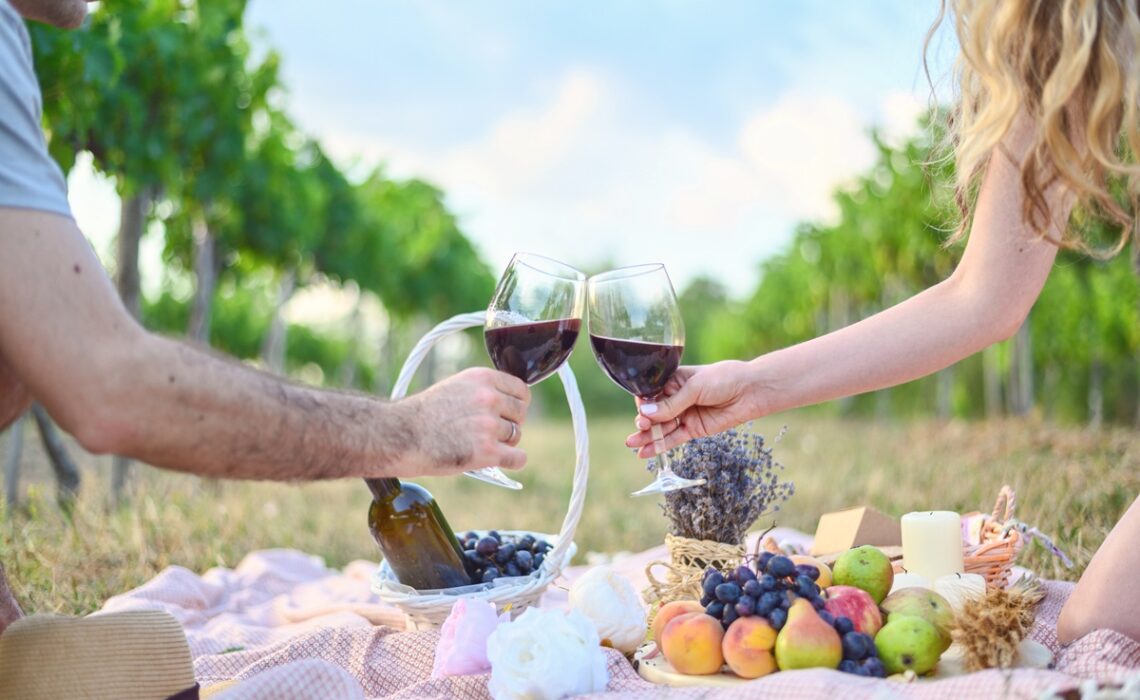
A food and wine tour is more than just tasting delicious dishes and sipping premium wines. It is an immersive journey into culture, craftsmanship, and local traditions. Whether you are exploring a famous wine region or discovering hidden culinary gems, knowing how to approach the experience can make all the difference. With the right mindset and preparation, you can turn a simple outing into a truly unforgettable adventure.
Best 12 Experience on a Food and Wine Tour
1. Do Your Research Before You Go
To begin with, research the region you are visiting. Learn about its signature dishes, wine varieties, and culinary history. For example, some regions are known for bold reds and rustic cuisine, while others specialise in crisp whites and fresh seafood. Understanding these details beforehand will help you appreciate the flavors more deeply.
Additionally, look into the wineries, restaurants, or producers included in your itinerary. Many tours feature family-owned businesses with unique stories. Knowing a little background allows you to ask thoughtful questions and engage more meaningfully during tastings.
2. Pace Yourself Throughout the Day
One of the most important ways to maximize your experience is to pace yourself. Food and wine tours often include multiple tasting stops, and it can be tempting to indulge at every opportunity. However, moderation ensures you can fully enjoy each experience without feeling overwhelmed.
Take small sips instead of finishing every pour. Likewise, eat balanced portions and stay hydrated. Drinking water between tastings not only keeps you refreshed but also helps cleanse your palate so you can better distinguish flavors.
3. Engage with the Experts
Food and wine tours often include guides, chefs, winemakers, or sommeliers who are passionate about their craft. Therefore, take advantage of the opportunity to ask questions. Inquire about production methods, ingredient sourcing, aging techniques, or pairing recommendations.
For instance, you might learn how soil conditions influence grape characteristics or how a traditional recipe has been passed down through generations. These insights transform your experience from simple tasting into meaningful learning.
4. Use All Your Senses
To fully appreciate wine and food, you must engage all your senses. First, observe the presentation. Notice the color of the wine, the texture of the dish, and the overall plating style. Next, take in the aromas before tasting. Swirling wine gently releases its bouquet, while freshly prepared dishes often reveal layers of fragrance.
When tasting, focus on texture, acidity, sweetness, and balance. Consider how flavors evolve from the first sip or bite to the finish. Paying attention in this way enhances your appreciation and sharpens your palate.
5. Be Open to Trying New Flavors
Sometimes, the most memorable moments come from stepping outside your comfort zone. A food and wine tour is the perfect opportunity to try varieties or dishes you might not normally order.
Perhaps you typically prefer red wine, but you discover a crisp white that surprises you. Or maybe a local delicacy becomes your new favorite dish. By keeping an open mind, you allow yourself to experience the region authentically and fully.
6. Understand Wine and Food Pairings
Food and wine tours often highlight how certain flavors complement one another. Learning basic pairing principles can greatly enhance your experience. For example, acidic wines often balance rich, creamy dishes, while tannic reds pair beautifully with grilled meats.
As you taste different combinations, pay attention to how the flavors interact. Do they enhance each other? Does one overpower the other? Recognizing these dynamics will help you make better pairing choices in the future.
7. Take Notes and Photos
With multiple stops and tastings, it can be difficult to remember every detail. Therefore, consider taking notes about your favorite wines, standout dishes, and interesting stories. Many visitors also find it helpful to photograph labels or menus for future reference.
Later, these notes allow you to purchase wines you loved or recreate dishes at home. They also serve as wonderful reminders of the experience long after the tour ends.
8. Dress Comfortably and Prepare Practically
Comfort plays a significant role in maximizing your enjoyment. Wear breathable clothing and comfortable shoes, especially if the tour includes walking through vineyards, markets, or production facilities.
Additionally, bring essentials such as sunscreen, sunglasses, and a reusable water bottle if appropriate. Being physically comfortable allows you to focus entirely on the culinary and wine experiences.
9. Socialize and Share the Experience
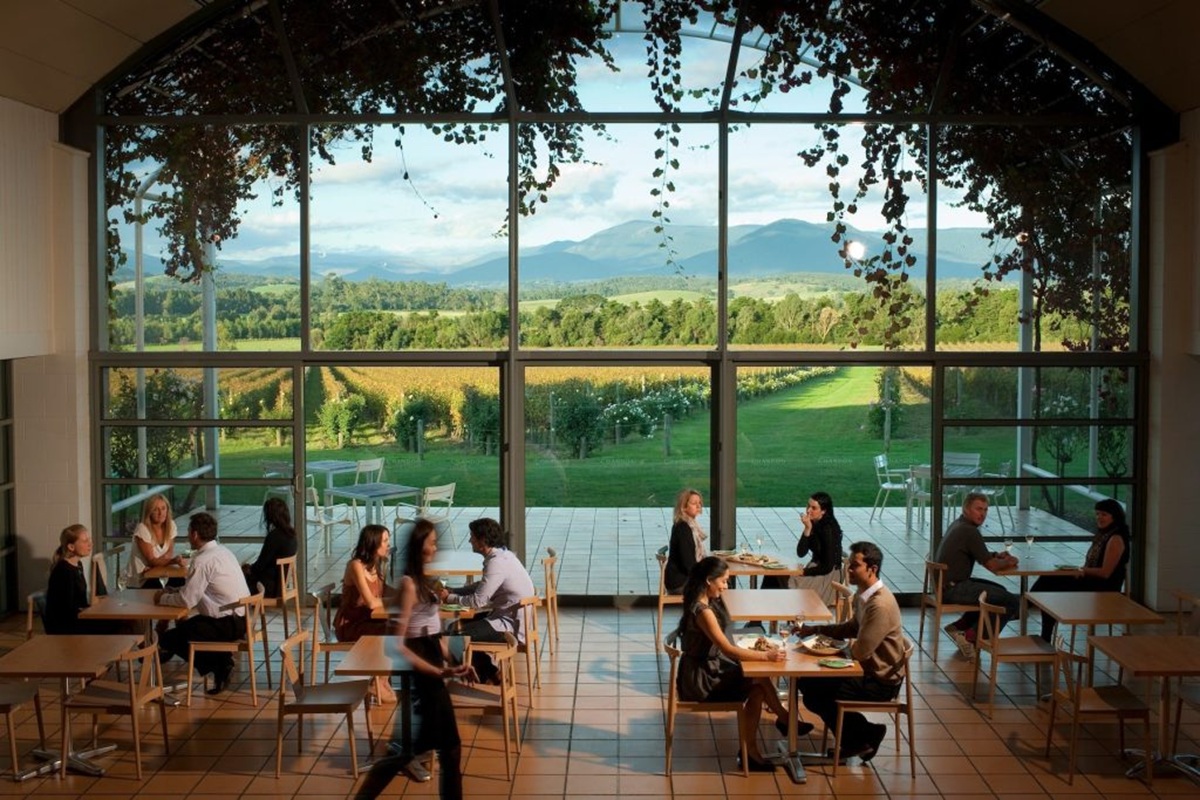
Food and wine tours are inherently social experiences. Whether you are traveling with friends, family, or meeting new people on the tour, engage in conversation. Sharing impressions and favorite flavors often leads to lively discussions.
You might discover that others perceive flavors differently, which can broaden your perspective. Furthermore, shared laughter and conversation enhance the overall atmosphere, making the tour more enjoyable.
10. Support Local Producers
If you find a wine or product you truly love, consider purchasing a bottle or specialty item directly from the producer. Not only does this support local businesses, but it also allows you to extend the experience at home.
Many small producers rely heavily on tourism, and your purchase contributes to sustaining their craft. Moreover, opening a bottle later often brings back vivid memories of your trip.
11. Stay Mindful and Present
In today’s fast-paced world, it is easy to rush through experiences. However, a food and wine tour deserves your full attention. Slow down, savor each bite, and appreciate each sip.
Rather than focusing solely on taking photos for social media, immerse yourself in the moment. Notice the landscape, the ambiance, and the subtle details that make the region unique. Mindfulness transforms a simple tasting into a deeply enriching experience.
12. Plan Transportation Responsibly
If your tour does not include transportation, plan ahead. Avoid driving after wine tastings. Instead, arrange for a guided tour, private driver, rideshare service, or designated driver. Responsible planning ensures your safety and allows you to relax completely throughout the day.
Final Thoughts
Ultimately, maximizing your experience on a food and wine tour comes down to preparation, mindfulness, and curiosity. By researching beforehand, pacing yourself, engaging with experts, and staying open to new flavors, you elevate the entire journey. Additionally, embracing the social and cultural aspects of the tour deepens your appreciation beyond just taste.
A food and wine tour is not simply about consumption; it is about connection—to the land, the people, and the traditions behind every bottle and dish. When approached thoughtfully, it becomes an unforgettable celebration of flavor, culture, and shared experience.