
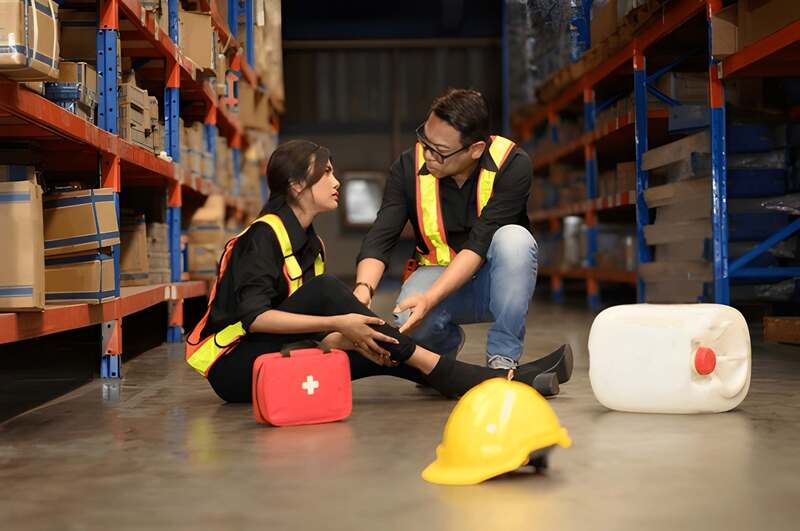
The construction industry is one of the most dynamic yet inherently dangerous sectors in the Australian workforce. The work site presents constant accident risks because workers engage in high-risk activities which include operating heavy machinery and power tools while working at heights and dealing with complex electrical systems. Safety protocols have strict enforcement to reduce risks but emergency situations can develop at any time, despite using the most effective prevention methods. The hltaid011 provide first aid training program has critical importance for this situation.
The construction site culture benefits from integrating comprehensive medical response skills because it enables workers to operate as first responders who can stabilize injured colleagues during the emergency period known as the “golden hour.” The company has established a safety program that enables workers to respond to emergencies by creating a work environment which maintains constant access to emergency medical support.
Establishing a Safety Standard with HLTAID011 Provide First Aid Training
Australian Work Health and Safety (WHS) regulations require companies to provide first aid equipment and facilities along with sufficient trained personnel to handle medical emergencies. The construction industry requires more than the basic legal requirements to provide “sufficient” worker protection. The hltaid011 provide first aid training program requires multiple team members to complete training because construction sites usually need medical help during remote areas or areas with heavy traffic that delay ambulance response times.
The training provides a standardized framework for responding to a wide range of incidents. The program teaches participants how to assess scenes for ongoing dangers while they learn the fundamentals of bandage application and emergency service communication and clinical reasoning skills. Site supervisors and laborers who hold this certification gain the ability to lead during emergencies which helps them control crisis situations that usually create panic and increase injuries.
Immediate Response to Trauma through HLTAID011 Provide First Aid Training
Construction accidents often involve high-impact trauma, such as falls from scaffolding or crush injuries from heavy equipment. The curriculum within hltaid011 provide first aid training is specifically designed to address these critical scenarios.
- Management of Severe Bleeding: Workers learn to use pressure bandages and, in extreme cases, understand the application of tourniquets to stop life-threatening hemorrhages.
- Fracture and Dislocation Stabilization: Proper splinting techniques are vital to prevent further nerve or vascular damage during the transport of an injured worker.
- Head and Spinal Injury Care: Given the prevalence of falls, knowing how to keep a casualty’s spine aligned while checking for consciousness is a skill that can prevent permanent paralysis.
Managing Environmental Risks with HLTAID011 Provide First Aid Training
Construction work requires outdoor operations because construction activities do not take place at indoor locations. Australian outdoor conditions pose dangers for workers who face heatstroke and dehydration risks as well asweather-related conditions that lead to hypothermia during southern winter months. Workers on outdoor sites face potential risks from being bitten or stung by dangerous animals.
Through hltaid011 provide first aid training, safety officers learn to recognize the early signs of heat exhaustion before it escalates into a medical emergency. They learned how to treat snake and spider bites by using the “Pressure Immobilization Technique” (PIT) which provides them with a crucial life support skill required for their work on rural infrastructure projects. Early symptom identification allows the team to establish protective measures which ensure worker safety while maintaining project progress.
Cardiac Emergencies and HLTAID011 Provide First Aid Training

Construction work requires physical effort which strains the body’s cardiovascular system. Any person can experience sudden cardiac arrest at any time which occurs most frequently in high-stress environments or during physically demanding work. The first aid framework requires both Cardiopulmonary Resuscitation (CPR) training and Automated External Defibrillator (AED) usage training to be mandatory for all first aiders.
The organization benefits from having personnel trained in hltaid011 provide first aid training who can perform chest compressions and defibrillation right after a worker falls unconscious. Statistics demonstrate that the survival rate for cardiac arrest victims decreases by approximately 10% for each minute that passes without medical treatment. A trained colleague can transform a construction site into a medical emergency space because they can establish safe access routes which ambulances require to reach their destination.
The Legal and Ethical Benefits of Site-Wide Training
A trained workforce provides organizations with physical advantages while it also carries legal duties and ethical obligations for businesses to follow. Companies that prioritize first aid education will experience reduced legal risks because they will have fewer incidents which lead to litigation or severe fines. Regulators view organizations which exceed minimal standards as evidence of their dedication to fulfilling their “duty of care” legal obligations.
The organization needs to provide workers with these skills because it raises their morale. When a worker knows that their employer has invested in hltaid011 provide first aid training for the team, it fosters a sense of security and value. The message becomes clear when people see that the individual holds more importance than any project work.
Improving Incident Reporting and Hazard Awareness
The process of enhancing both incident reporting procedures and hazard recognition abilities requires implementation. First aid training provides workers with an extra advantage because it teaches them to recognize potential dangers which exist in their work environment. A person who learns how to perform treatment for puncture wounds will develop better skills to recognize hazardous conditions which include loose nails and open machine parts.
- Better Documentation: The trained first aiders achieve their mission by documenting all incident details which they consider essential for upcoming safety assessments.
- Informed Safety Meetings: First aid organized workers provide vital safety information during toolbox talks because they understand how specific Personal Protective Equipment (PPE) protects against particular injuries.
- Proactive Risk Mitigation: First aiders who work as safety committee members discover potential dangers which they need to report before accidents occur.
Essential Components of a First Aid Ready Construction Site
The maximum training effectiveness occurs when trainees gain access to physical spaces which allow them to practice their developed skills. A site should not only have trained personnel but also the right infrastructure.
- Strategically Placed Kits: Construction sites need designated locations for first aid kits which should contain medical supplies required to handle construction-related injuries including burn dressings and eye wash stations.
- Clear Communication Channels: Two-way radios together with mobile applications establish instant communication links which enable instant alerts to first aid personnel who remain stationed at the site.
- Regular Skill Refreshes: The certification period lasts three years but emergency drills create a continuous training process which keeps skills active while decreasing response delays.
Psychological First Aid: A Growing Priority
Modern first aid training is beginning to recognize that not all injuries are visible. The construction industry has traditionally struggled with mental health awareness. The framework provides first aid responders with a guide to deliver basic support to individuals who experience psychological distress or shock because of work-related traumatic incidents.
The holistic approach ensures that all witnesses and involved parties will be observed for acute stress symptoms after a significant accident. The first aider establishes a stable emotional environment through his compassionate and calm presence which helps workers to recover and return to their work responsibilities.
Conclusion
The construction industry will always be demanding, but it does not have to be unnecessarily dangerous. The implementation of hltaid011 first aid training as a fundamental safety requirement will safeguard employees who represent the most valuable asset of every company.
The training converts individuals into a unified team which will efficiently manage all unexpected challenges which may arise. The fundamental human skill of providing immediate competent medical assistance remains essential for every worker in the industry as new technologies and faster building methods progress. The development of these skills requires organizations to fulfill regulatory obligations while improving safety standards which protect all workers from on-site dangers.