
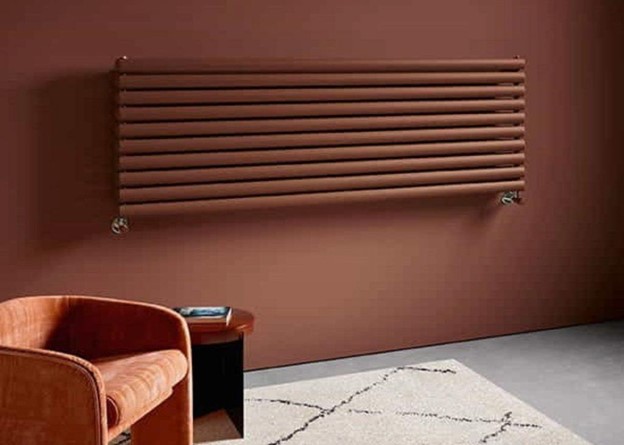
Buying a designer radiator is about more than appearance. The right choice affects room warmth, energy use, wall space, and overall comfort. From heat output and sizing to finishes and placement, understanding these details helps you invest in a radiator that heats efficiently, complements your décor, and performs reliably year after year.
Introduction: Heating That Works and Looks Right
Heating plays a quiet but essential role in how a home feels every day. Today, a designer radiator is as much a visual feature as it is a heat source. Homeowners expect strong performance, clean lines, and finishes that suit modern interiors. Making the right choice requires more than picking a shape you like. You must think about size, placement, efficiency, and how the radiator fits into daily living.
A Closer Look at Modern Radiator Design
A designer radiator stands apart from traditional models by combining function with visual appeal. These radiators are built to complement interiors rather than hide behind furniture or curtains.
They often feature slim profiles, vertical layouts, or sculpted forms. This makes them suitable for both compact spaces and open-plan rooms. The goal is to provide reliable warmth while enhancing the look of the space, not interrupting it.
Heat Output and Room Requirements
Every room has different heating needs. A large living room with high ceilings will require more heat than a small bedroom. Choosing the wrong output can leave rooms cold or overheated. Always consider room size, ceiling height, and insulation quality. Well-insulated homes retain heat better, allowing for lower output models. Matching heat output to the room ensures comfort and avoids wasted energy.
Size, Shape, and Placement
Radiator placement affects both performance and appearance. Vertical radiators suit narrow walls and modern layouts. Horizontal designs work well beneath windows.
Think carefully about available wall space and furniture layout. A well-placed radiator distributes heat evenly and keeps the room balanced. Avoid blocking airflow with sofas or cabinets, as this reduces efficiency and comfort.
Style and Finish Choices
Midway through your decision, appearance becomes just as important as function. A designer radiator can define a room’s character. Finishes range from classic white to bold colours and metallic tones.
Neutral finishes blend quietly into minimalist spaces. Dark or metallic finishes add contrast and become focal points. Always consider existing décor, flooring, and lighting to maintain visual harmony.
Materials and Build Quality
Quality materials matter for long-term performance. Steel radiators heat quickly and suit modern homes. Aluminium models respond fast and are lightweight. Solid construction improves heat distribution and durability. A well-made radiator maintains consistent warmth and resists wear over time. Choosing quality reduces maintenance concerns and extends lifespan.
Energy Efficiency and Sustainability
Modern heating choices should support lower energy use. Efficient radiators heat rooms faster and retain warmth longer. This reduces boiler workload and energy bills.
Look for designs that distribute heat evenly. Combined with good insulation and smart controls, an efficient radiator supports sustainable living without sacrificing comfort.
Compatibility with Your Heating System
Not all radiators suit every system. Some homes use traditional boilers, while others rely on modern setups. Always check compatibility before buying. A radiator that integrates smoothly with your existing system performs better and avoids installation issues. This step saves time and prevents unnecessary modifications.
Installation and Maintenance Considerations
Professional installation ensures safe and efficient operation. Correct mounting and pipe alignment are essential for even heating. Maintenance should also be simple. Smooth surfaces are easier to clean and resist dust buildup. Choosing a radiator that requires minimal upkeep supports long-term convenience.
Budget and Long-Term Value
Price matters, but value matters more. A cheaper option may cost more over time due to inefficiency or poor build quality. Balance upfront cost with durability, performance, and design longevity. A well-chosen radiator adds comfort and visual appeal for years, making it a smart investment rather than a quick purchase.
Conclusion: Making a Confident Choice
Selecting the right heating solution requires clear priorities. A designer radiator should deliver steady warmth while fitting naturally into your home’s style. By considering heat output, placement, materials, and efficiency, you avoid common mistakes and enjoy lasting comfort.
Think beyond trends. Focus on quality, suitability, and how the radiator supports daily living. When chosen thoughtfully, it becomes more than a heating unit. It enhances comfort, complements design, and supports energy-conscious living. Taking time to assess these factors ensures your purchase adds genuine value to your home.