

Geotechnical drilling is the backbone for establishing and maintaining any industrial facility. The process measures up to drilling into the earth to find the soil and rock specimens that help experts analyse subsurface conditions. Geotechnical drilling is the most important type of drilling, exercised on the sites of large, heavy, and safety-critical structures, to ascertain the stability, safety, and life of the concerned area. The article talks about the significance of geotechnical drilling with a brief overview of design decisions, risk mitigations, and optimized construction methods.
What is Geotechnical Drilling?
Geotechnical drilling is drilling into the earth to obtain samples of soil and rock from various depths and locations within a site. This enables an engineer to understand and check how the physical and chemical properties of the ground exist as regards bearing capacity, moisture content, composition, and contamination levels. Such data constitute the basis for a geotechnical investigation and application that mostly involves planning foundations, considering environmental hazard risks, and regulation compliance.
This geotechnical drilling investigates the early aspects of the subsurface that influence constructability and safety, an industrial facility-dependent-pivotal further some other operations. These will lead to geotechnical bore logs delineating soil layers and properties to inform engineering design and foundation selection.
Assure Safety in Industrial Facilities through Geotechnical Drilling
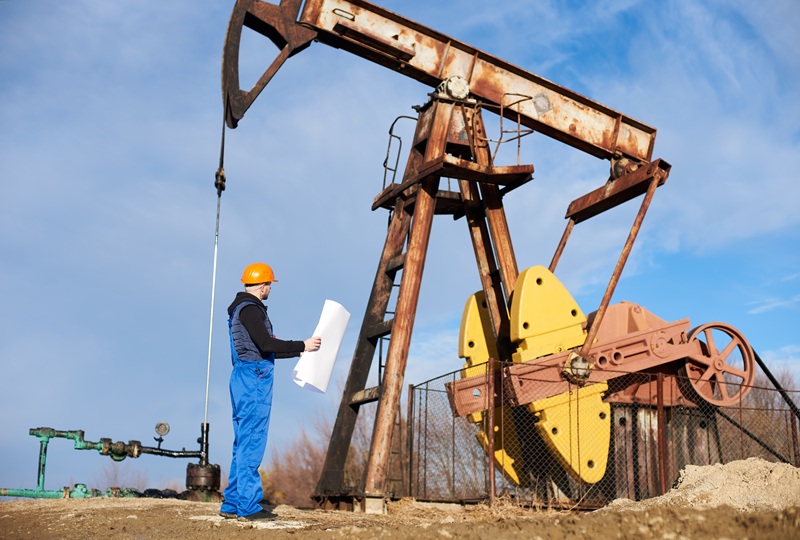
Geotechnical Drilling
Industrial facilities are often highly characterized by weighty load applications such as heavy machinery, storage tanks, and intricate infrastructure loads on the foundation and ground. Geotechnical drilling renders:
- Providing an adjunct to safety assessments of soil bearing capacity to validate foundation designs against anticipated loads into their settlement or failure.
- Identifying any soil hazards, such as contamination, sinkholes, and areas of weakness, that may affect the integrity of the structure or represent an environmental issue.
- Identification of groundwater levels and drainage conditions to circumvent inundation or erosion of water around critical infrastructure.
- Obtaining data that may be used to mitigate potential impacts due to seismic activity and landslides from certain areas where they may occur.
Thus, for those critical insights before construction, geotechnical drilling prevents accidents, structural failures, and expensive retrofits that are likely to put people at risk and cost the company.
Economic Gains from Geotechnical Drilling in Industrial Facilities
Apart from ensuring safety, geotechnical drilling is an economic boon which later enhances efficiency in design and construction:
- Accurate soil data allowed the engineers to design foundations with site specific materials and methods without price and waste construct over-engineering.
- Early hazard detection can reduce nasty surprises during construction, which affect schedule and costs.
- Informed site planning avoids costly remediation or redesign due to unexpected soil problems.
- Adherence to geotechnical investigation requirements prevents monetary and time penalties from occurring.
Theoretically, gives these together expected budgets, fewer interruptions during construction, and durable facilities that can preserve investment value.
Applications of Geotechnical Drilling in Industrial Facility Projects
Geotechnical drilling within the industry has been used as a complementary practice to several areas of engineering decision making, among which are:
- Foundation design and depth determination for heavy equipment and storage tanks
- Subgrade evaluation for pavement and roadway within industrial complexes
- Environmental assessments for contamination and remediation land planning
- Installing instruments for monitoring soil movement or groundwater changes over time
- Designing retaining walls and excavation support structures that ensure slope stability
Geotechnical drilling thus plays a vital role in conducting thorough site assessments, by tackling the above issues, which lead to solid industrial development.
Two Key Lists for the Stakeholders in Industrial Facility
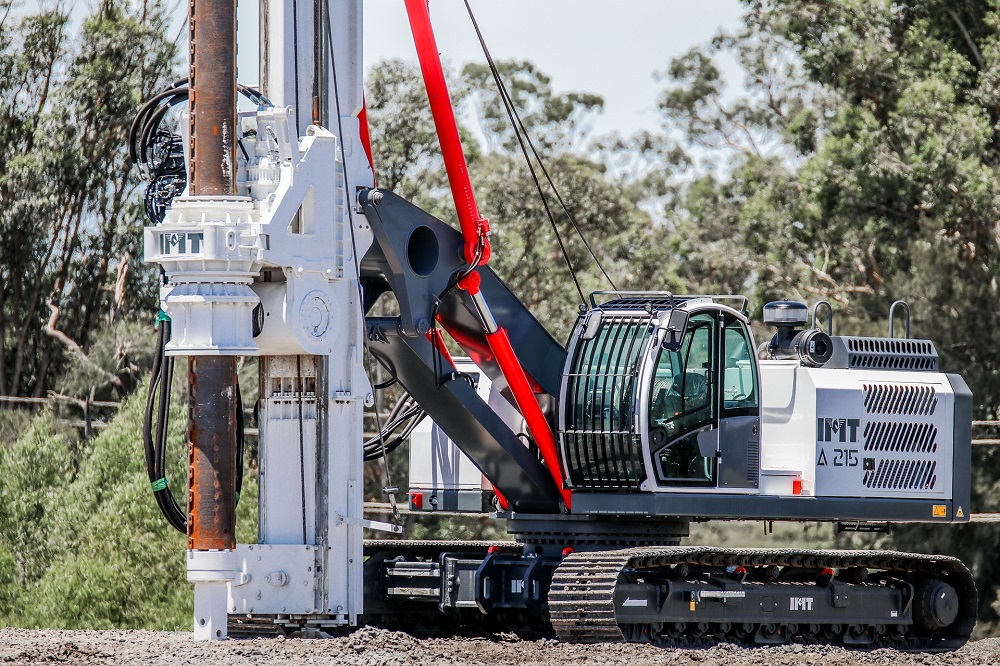
Geotechnical Drilling
Checklist for Effective Geotechnical Drilling in Industrial Facilities:
- Plan for drilling early in the project development program.
- Properly located borehole based on project size and sufficient boreholes about soil variability.
- Drill rig and sampling techniques have an Australian standard of AS 1726.
- Employ experienced certified drilling professionals and geotechnical engineering.
- Check the samples for mechanical properties, contaminants, moisture contents, and other crucial indicators.
- Combine laboratory tests with field data in thorough geotechnical reports.
- Monitor those results further during the construction and operational phases as needed.
Common Hazards Identified Through Geotechnical Drilling:
- Ground heave or settlement caused by expansive clay layers.
- Soil contamination because of previous site use or from proximate industrial activity.
- Poor drainage zones that are likely to flood associated with high groundwater tables.
- Unstable fill materials or loose soils in need of reinforcement.
- Areas undergoing a landslide or liquefaction risk in seismic zones. Early-stage hurdle resolution via proper geotechnical drilling prevents incursion of extremely high costs of remediation and ensures further success for this entire project.
Conclusions
Geotechnical drilling is a keystone discipline in the planning and building of industrial plants. It provides the information necessary for safe, durable, and economical design of foundations and other infrastructure. Knowledge of soil properties and associated risks that could lead to geotechnical failure overriding the entire structure-from structural failures and environmental issues to regulatory noncompliance-is of utmost importance to safeguard human lives and corporate assets.
Investing in geotechnical reassures industrial facility developers that their projects are indeed built on solid ground-vigorously, economically, and environmentally. Sustainable practices mean optimizing resource use and minimizing risk to operationally enhance the longevity of development. With every layer of geological complexity added by larger industrial sites that are more critical to successful outcomes, geotechnical drilling is sure to remain on the cutting edge.
For geotechnical drilling to contribute towards safer, smarter, and stronger industrial structures, proper planning and implementation with the right people must be backed by an accurate interpretation of drilling results.