
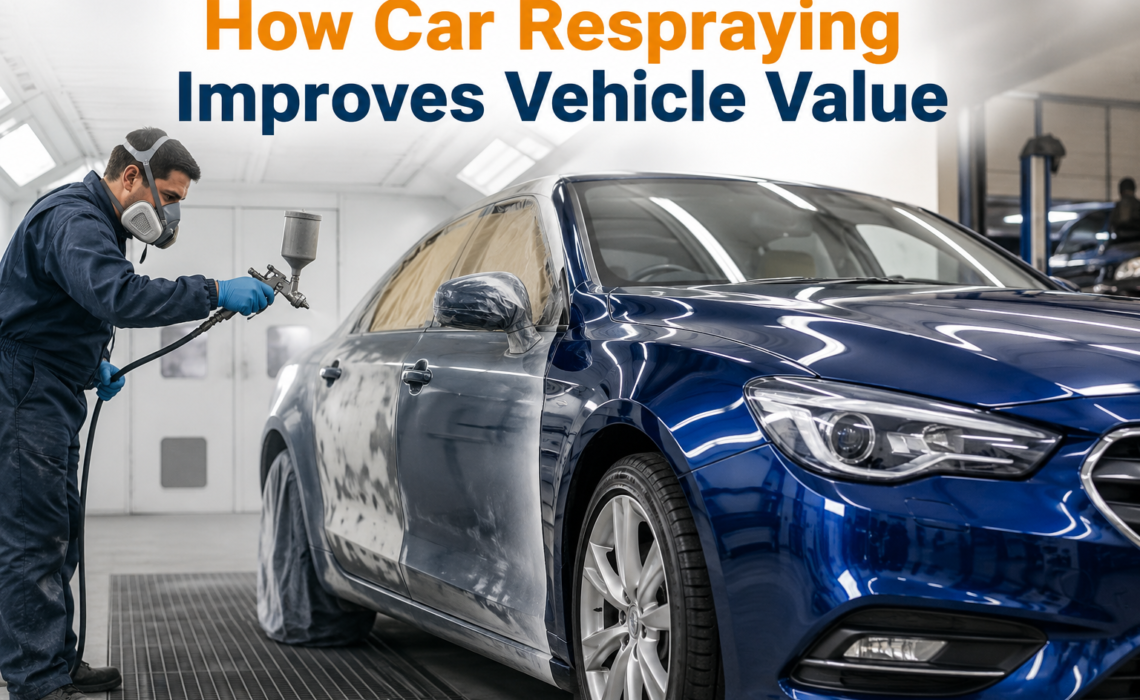
Have you ever walked past a car and thought, “That paint job looks absolutely tired”? Or perhaps you’ve wondered why some vehicles hold their value brilliantly while others seem to depreciate faster than milk goes off? Here’s something that might surprise you: car respraying can play a massive role in determining what buyers are willing to pay for your vehicle.
Think about it. When someone’s shopping for a used car, what’s the first thing they notice? It’s not the engine specs or the service history tucked away in the glovebox. It’s how the car looks. A faded, scratched, or peeling exterior screams neglect, even if the mechanical bits are in fantastic shape. On the flip side, a gleaming, professionally completed car respraying job suggests the owner has taken proper care of the vehicle throughout its life.
In this article, we’re going to explore everything you need to know about car respraying and how it can genuinely boost your vehicle’s resale value. We’ll cover the costs involved, when it makes financial sense to invest in car respraying, and how to make sure the money you spend translates into real returns. Whether you’re thinking of selling soon or simply want to protect your investment, understanding the value of quality car respraying is absolutely key.
What Is Car Respraying and How Does It Work?
The Difference Between Respraying, Touch-Ups, and Full Repaints
Before we get stuck into the value question, let’s clarify what we’re actually talking about. Touch-ups involve fixing small chips or scratches with matching paint—a quick fix for minor blemishes. A partial respray targets specific panels, like a scratched door or a faded bonnet.
A full respray, however, is the complete package. It involves stripping back the existing paintwork, preparing the surface properly, applying primer, multiple coats of colour, and finally a protective clear coat. This comprehensive approach gives your car a factory-fresh appearance that can genuinely transform an older vehicle.
What Does a Professional Respray Include?
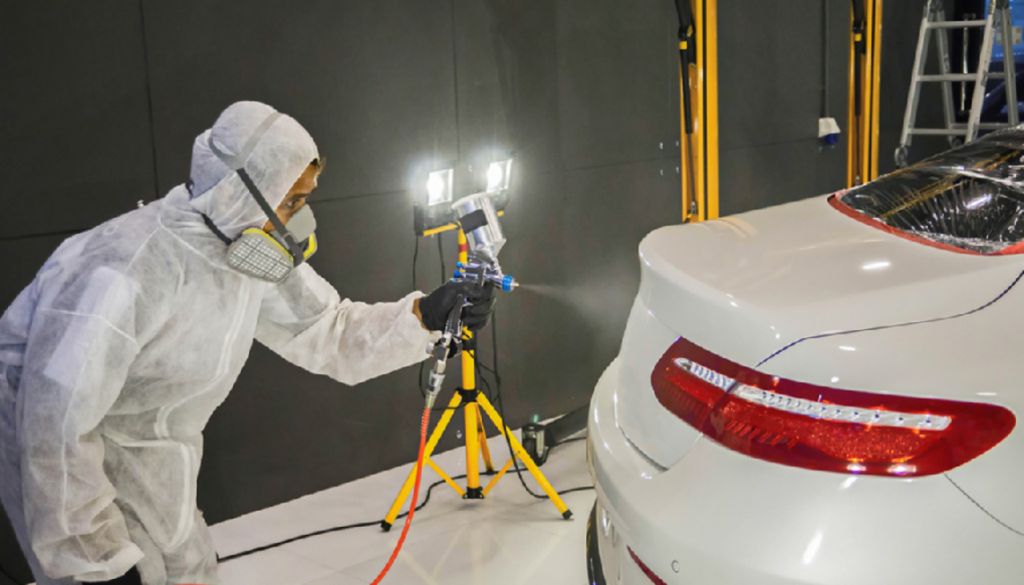
Professional car respraying follows a detailed process that DIY attempts simply can’t match. First, technicians thoroughly clean and degrease the entire vehicle to remove dirt, grease, and contaminants. Next comes the sanding stage, where the old paint is smoothed down to create the perfect surface for car respraying.
The next step is masking, which protects windows, trim, lights, and other parts that shouldn’t be painted. A high-quality primer is then applied, followed by multiple base colour coats and a durable clear coat that provides UV protection, enhances durability, and delivers that showroom-quality shine. To complete the car respraying process, professional workshops carry out a final polish and inspection to remove any imperfections and ensure a flawless finish.
How Much Does It Cost to Respray a Car?
Factors That Affect Car Respray Pricing
In Australia, you’re looking at anywhere from $1,500 for a basic respray on a small hatchback to $10,000 or more for a premium finish on a larger vehicle. Several factors influence where your quote lands on that spectrum.
Vehicle size matters enormously—a Mazda 2 requires far less paint and labour than a Toyota LandCruiser. The quality of paint chosen also affects pricing, with metallic and pearlescent finishes costing significantly more than solid colours. Additionally, the condition of your existing paintwork plays a role; extensive rust repair or panel damage adds to preparation time and costs.
Is Respraying a Car Worth the Investment?
This is where things get interesting. For many vehicles, a professional respray absolutely delivers positive returns. The key is understanding your specific situation.
If your car’s paintwork is letting down an otherwise excellent vehicle, a respray can add thousands to the sale price. However, spending $5,000 respraying a car worth $8,000 probably doesn’t stack up mathematically. The sweet spot typically involves vehicles where poor paintwork is significantly undervaluing what’s mechanically a solid car.
Does Respraying a Car Increase Its Resale Value?
First Impressions: How Buyers Judge a Vehicle
Let’s be honest—we’re all visual creatures. Studies consistently show that buyers make judgments within seconds of seeing a vehicle. A car with faded, oxidised paint creates immediate doubts about how well it’s been maintained overall.
This psychological response is powerful. Even if a buyer knows logically that paint condition doesn’t reflect mechanical health, that initial impression sticks. A freshly resprayed car suggests pride of ownership and careful maintenance, which translates directly into buyers’ willingness to pay more.
The Real Numbers: Value Added vs. Cost Spent
Generally speaking, a quality respray can add between 10% and 20% to a vehicle’s resale value, depending on the car’s overall condition and market demand. For a vehicle valued at $15,000 with tatty paintwork, you might spend $3,000 on a respray and potentially add $4,000 to $5,000 to the sale price.
What’s more, a freshly painted car typically sells faster. Weeks or months of advertising costs, inspection fees, and the hassle of dealing with tyre-kickers add up quickly. A car that presents beautifully often attracts serious buyers immediately.
When Should You Consider Respraying Your Car?
Signs Your Vehicle Needs a Respray
Several telltale signs indicate your paintwork needs attention. Clear coat peeling is a major one—once that protective layer fails, the damage accelerates rapidly. Significant fading, particularly on horizontal surfaces like bonnets and roofs, suggests UV damage that touch-ups can’t fix.
Extensive scratching, swirl marks, or oxidation that polishing can’t remove also signals respray territory. Similarly, if you’ve had bodywork repairs that haven’t been colour-matched properly, a full respray can restore visual consistency.
Respraying Before Selling: Smart Move or Waste of Money?
Timing matters here. If you’re planning to sell within the next few months and your paintwork is noticeably poor, a respray can genuinely boost your returns. However, for vehicles at the lower end of the market, the mathematics become trickier.
Do your research first. Check what similar vehicles with good paintwork are selling for versus those with tired exteriors. This gap represents your potential return on investment.
Does Repainting a Car Affect Its Value Negatively?
OEM Paint vs. Aftermarket Respray
Here’s something many people don’t consider. Original manufacturer paintwork does carry value, particularly for prestige vehicles or potential collector cars. A poorly executed aftermarket respray on a classic vehicle can actually reduce its worth.
For everyday vehicles, however, this concern is less significant. Most buyers of a ten-year-old Commodore or Camry won’t flinch at an aftermarket respray, provided it’s been done properly.
How to Ensure a Respray Adds Value Rather Than Detracts
Quality is absolutely everything. A cheap respray with orange peel texture, colour inconsistencies, or overspray on trim will hurt your vehicle’s value rather than help it. Invest in a reputable shop that provides warranty coverage on their work.
Documentation matters too. Keep receipts and before-and-after photos. Being able to show potential buyers that professional work was completed reassures them about the quality of the finish.
Choosing the Right Colour for Maximum Resale Appeal
Popular Car Colours That Hold Value
Neutral colours consistently perform best for resale. White, silver, grey, and black remain the most popular choices across Australia. These shades appeal to the widest range of buyers and typically command higher prices in the used market.
Blue and red can work well depending on the vehicle type. Sporty cars in red often attract premium prices, while family SUVs in conservative colours generally sell faster.
Should You Change Your Car’s Colour?
Changing your car’s colour requires updating registration documents and can raise questions for buyers about the vehicle’s history. Generally, it’s best to stick with the original colour unless there’s a compelling reason to change.
If your original colour is particularly unpopular—lime green springs to mind—switching to a neutral shade might prove worthwhile despite the additional paperwork.
Protecting Your Investment Through Quality Paintwork
So where does all this leave you? The evidence is clear: car respraying and quality paintwork can genuinely impact your car’s resale value. Whether you’re looking to sell soon or simply want to maintain your vehicle’s worth over time, investing in professional car respraying can make a significant difference.
The key takeaways are straightforward. A professional car respraying service can add genuine value, but only when carried out by skilled technicians using high-quality materials and proven techniques. Cheap shortcuts often lead to poor results and can reduce buyer confidence. Before committing, compare the costs and potential return based on your specific vehicle and local market conditions.
Ultimately, your car is likely one of your biggest assets. Protecting that investment through regular paint maintenance or professional car respraying when needed is a smart financial decision. Whether you choose to respray now or simply take better care of your existing finish, understanding the connection between car respraying, appearance, and resale value will help you maximise your vehicle’s long-term worth.
