

Have you ever walked into your basement only to discover that musty smell that makes your heart sink? Or perhaps you’ve noticed mysterious damp patches creeping across your walls after a heavy Melbourne downpour? What about those tiny cracks in your foundation that seem to grow bigger every winter?
If any of these scenarios sound familiar, you’re not alone. Melbourne’s unpredictable weather puts homes through their paces, and without proper protection, water damage can quickly become a homeowner’s worst nightmare. Residential waterproofing in Melbourne isn’t just a nice-to-have—it’s absolutely vital for protecting your biggest investment. From sudden storms to persistent humidity, our city throws everything at our homes, making waterproofing a top priority for anyone serious about property maintenance.
In this guide, you’ll discover five proven tips that’ll help keep your home dry, safe, and structurally sound for years to come. We’ll explore everything from choosing the right waterproofing method to understanding when it’s time to call in the professionals. Whether you’re building a new home, renovating an existing one, or simply trying to fix a persistent leak, these insights will help you make informed decisions. Let’s get stuck into what you need to know about keeping water where it belongs—outside your home.
What Is Residential Waterproofing and How Does It Work?
Understanding the Basics of Waterproofing Systems
At its core, Residential waterproofing melbourne is all about creating barriers that prevent water from penetrating your home’s structure. Think of it as giving your house a protective raincoat. These systems work by either blocking water entry points or redirecting moisture away from vulnerable areas.
Modern waterproofing relies on multiple layers of protection. This typically includes membranes, sealants, and drainage solutions working together. The goal is simple: keep your living spaces dry while allowing your home to breathe naturally.
Common Areas in Your Home That Need Waterproofing
Some spots in your home are more susceptible to water damage than others. Bathrooms and wet areas are obvious candidates, but don’t overlook basements, foundations, balconies, and retaining walls. Roofs, window frames, and even internal shower recesses all benefit from proper waterproofing treatment.
Tip 1: Choose the Right Waterproofing Method for Melbourne’s Climate
Membrane Waterproofing vs. Cementitious Waterproofing
Not all waterproofing solutions are created equal. Membrane waterproofing uses flexible sheets or liquid-applied coatings that form a continuous barrier. It’s brilliant for areas that experience movement or temperature fluctuations. Cementitious waterproofing, on the other hand, uses cement-based products mixed with waterproofing compounds.
Each method has its place. Membranes work wonderfully for bathrooms, balconies, and below-ground applications. Cementitious solutions excel in areas exposed to positive water pressure, like water tanks or pools. The trick is matching the right solution to your specific needs.
How Does Melbourne’s Weather Affect Waterproofing Choices?
Melbourne’s famous four-seasons-in-one-day weather creates unique challenges. Our homes endure scorching summer heat, followed by sudden temperature drops and heavy rainfall. This constant expansion and contraction puts tremendous stress on residential waterproofing systems.
For Melbourne homes, flexibility is key. Products need to handle thermal movement without cracking or losing adhesion. That’s why many local professionals recommend polymer-modified membranes that can stretch and recover. They’re designed specifically for our temperamental climate.
Tip 2: Invest in Quality Materials (Your Future Self Will Thank You)
What Are the Best Waterproofing Products for Australian Homes?
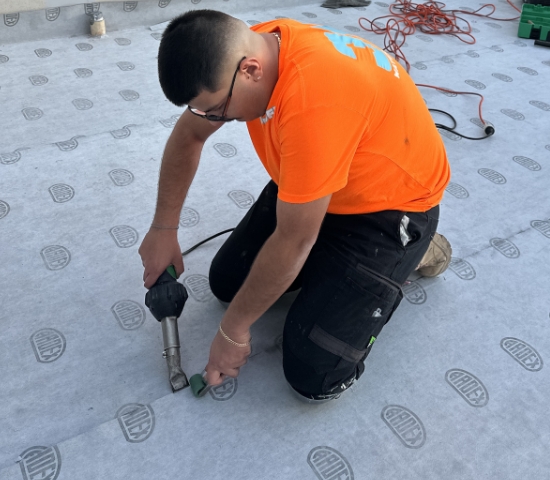
When it comes to waterproofing products, you genuinely get what you pay for. Top-tier Australian brands like Gripset, Davco, and Sika have earned their reputations through years of reliable performance. These products are formulated specifically for our conditions and comply with Australian Standards.
Look for products bearing the WaterMark certification. This guarantees they’ve been tested and approved for use in Australian plumbing and drainage applications. Don’t be tempted by cheap imports that might not stand up to local conditions.
How Long Does Waterproofing Last on a House?
Quality waterproofing should last between 10 to 25 years, depending on the application area and materials used. Bathroom waterproofing typically needs attention every 10-15 years, while external membranes can last two decades or more with proper maintenance.
The lifespan depends heavily on initial installation quality and ongoing care. Cutting corners during installation might save money upfront, but you’ll likely pay more in repairs down the track. Investing in premium materials now means fewer headaches later.
Tip 3: Hire Experienced Waterproofing Contractors in Melbourne
What Should I Look for in a Waterproofing Company?
Finding the right contractor makes all the difference. Start by checking their licensing and insurance—any legitimate waterproofing company should hold appropriate building licences. Look for membership in industry associations like the Australian Institute of Waterproofing.
Experience matters enormously in this trade. Ask how long they’ve been operating and request examples of similar projects. A reputable company will happily provide references and before-and-after photos of their work.
Questions to Ask Before Signing a Contract
Before committing, ask about their warranty terms. What’s covered, and for how long? Enquire about the specific products they’ll use and why they’ve chosen them. A knowledgeable contractor will explain their recommendations clearly.
Find out about their preparation process and timeline. Proper surface preparation is half the battle in waterproofing. Also, ask what happens if problems arise after completion. Clear answers to these questions indicate a professional operation.
Is Waterproofing a House Worth It?
Absolutely, without question. The cost of waterproofing pales in comparison to repairing water damage. We’re talking structural repairs, mould remediation, and replacement of damaged fixtures and fittings. Prevention is always cheaper than cure.
Beyond financial considerations, waterproofing protects your family’s health. Damp environments breed mould and mildew, which can trigger respiratory problems and allergies. A dry home is a healthy home.
Tip 4: Don’t Skip Regular Inspections and Maintenance
How Often Should Waterproofing Be Checked?
Make waterproofing inspections part of your annual home maintenance routine. Spring is ideal—you can assess any damage from winter rains before summer arrives. Pay particular attention after severe weather events.
Professional inspections every three to five years provide deeper insights. Experts can identify problems invisible to untrained eyes. They’ll check membrane integrity, drainage function, and early warning signs of failure.
Warning Signs Your Waterproofing Is Failing
Keep an eye out for these red flags: peeling paint, bubbling wallpaper, musty odours, and visible mould growth. Stained or damp patches on walls and ceilings demand immediate attention. Efflorescence—those white, chalky deposits on concrete—indicates moisture movement.
In bathrooms, watch for loose tiles, grout cracking, or water appearing in unexpected places. If you notice water stains on ceilings below upper-floor bathrooms, act quickly. Early intervention prevents minor issues becoming major disasters.
Tip 5: Address Drainage Issues Before They Become Costly Problems
How Proper Drainage Protects Your Waterproofing Investment
Even the best waterproofing system will struggle against constant water pressure. Proper drainage diverts water away from your home’s foundations and walls. This reduces the workload on your waterproofing and extends its lifespan significantly.
Ensure gutters and downpipes are clear and properly connected to stormwater drains. Grade your landscaping to slope away from the house. Consider installing agricultural drainage around foundations if your property sits on clay soil or low-lying ground.
Can You Waterproof an Already Leaking House?
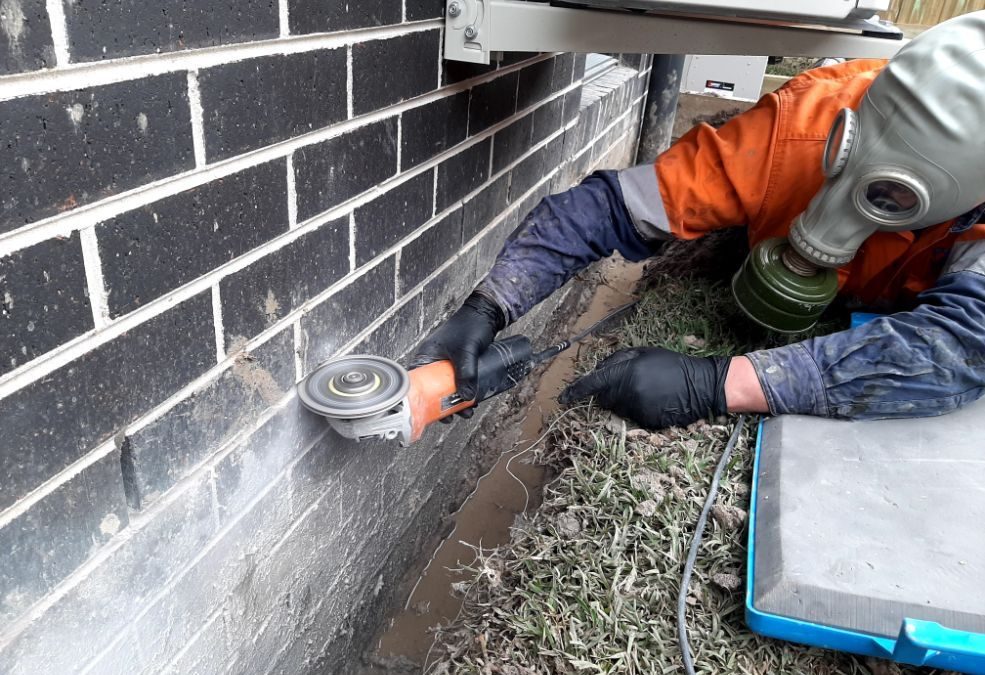
Yes, but it requires more work. First, you’ll need to identify and address the source of water ingress. This might involve excavation to access external walls or removing tiles to treat bathroom substrates. The existing damage must be repaired before new waterproofing can be applied.
While more complex, retrofitting waterproofing is entirely achievable. Many Melbourne homes built before modern standards can be successfully waterproofed. The key is thorough assessment and choosing appropriate remediation methods.
How Much Does Residential Waterproofing Cost in Melbourne?
Factors That Influence Waterproofing Prices
Costs vary widely depending on the scope of work. Bathroom waterproofing typically runs between, while full basement waterproofing might reach or more. Factors include surface area, accessibility, material choices, and existing condition.
Location within your property affects pricing too. Below-ground work costs more than above-ground applications due to excavation requirements. Repairs and remediation work generally costs more than new installations because of additional preparation needed.
Getting Value for Money Without Cutting Corners
Request multiple quotes, but don’t automatically choose the cheapest option. Compare what’s included—products, preparation work, warranties, and aftercare. A slightly higher quote using premium materials often represents better long-term value.
Ask about itemised pricing so you understand exactly what you’re paying for. Reputable contractors welcome questions and provide transparent quotes. Remember, this investment protects your home for decades.
Protecting Your Melbourne Home for the Long Term
We’ve covered considerable ground today, from understanding waterproofing basics to recognising when professional help is needed. The five tips we’ve explored—choosing appropriate methods, investing in quality materials, hiring experienced contractors, maintaining regular inspections, and addressing drainage—form a complete strategy for long-lasting protection.
Waterproofing isn’t glamorous, but it’s one of the smartest investments you can make in your Melbourne home. Our climate demands respect, and proactive protection beats reactive repairs every time. The peace of mind that comes from knowing your home is properly protected? That’s priceless.
Don’t wait for water damage to force your hand. Whether you’re planning a renovation, noticing concerning signs, or simply being proactive, now is the perfect time to assess your home’s waterproofing needs. Reach out to qualified local professionals, ask the right questions, and give your home the protection it deserves. Your future self will genuinely thank you.


